Fort Myers is moving to lock in a series of 5% annual utility rate increases through 2031, a steady climb that should help fund a $371 million infrastructure program and protect city reserves, even as it adds to the cost burden facing households and businesses.
Fort Myers Utility Rates Rise 5% Through 2031

That matters because this is exactly the kind of slow-burn pricing move that can reshape a utility’s financial profile over time. For the city, the proposal is meant to do three things at once: cover rising operating costs, keep the utility fund from weakening, and pay for major water and sewer upgrades that can’t be deferred forever. For investors in regulated water utilities, it’s another reminder that the sector’s earnings power depends heavily on the ability to win rate relief when inflation and capital needs rise.
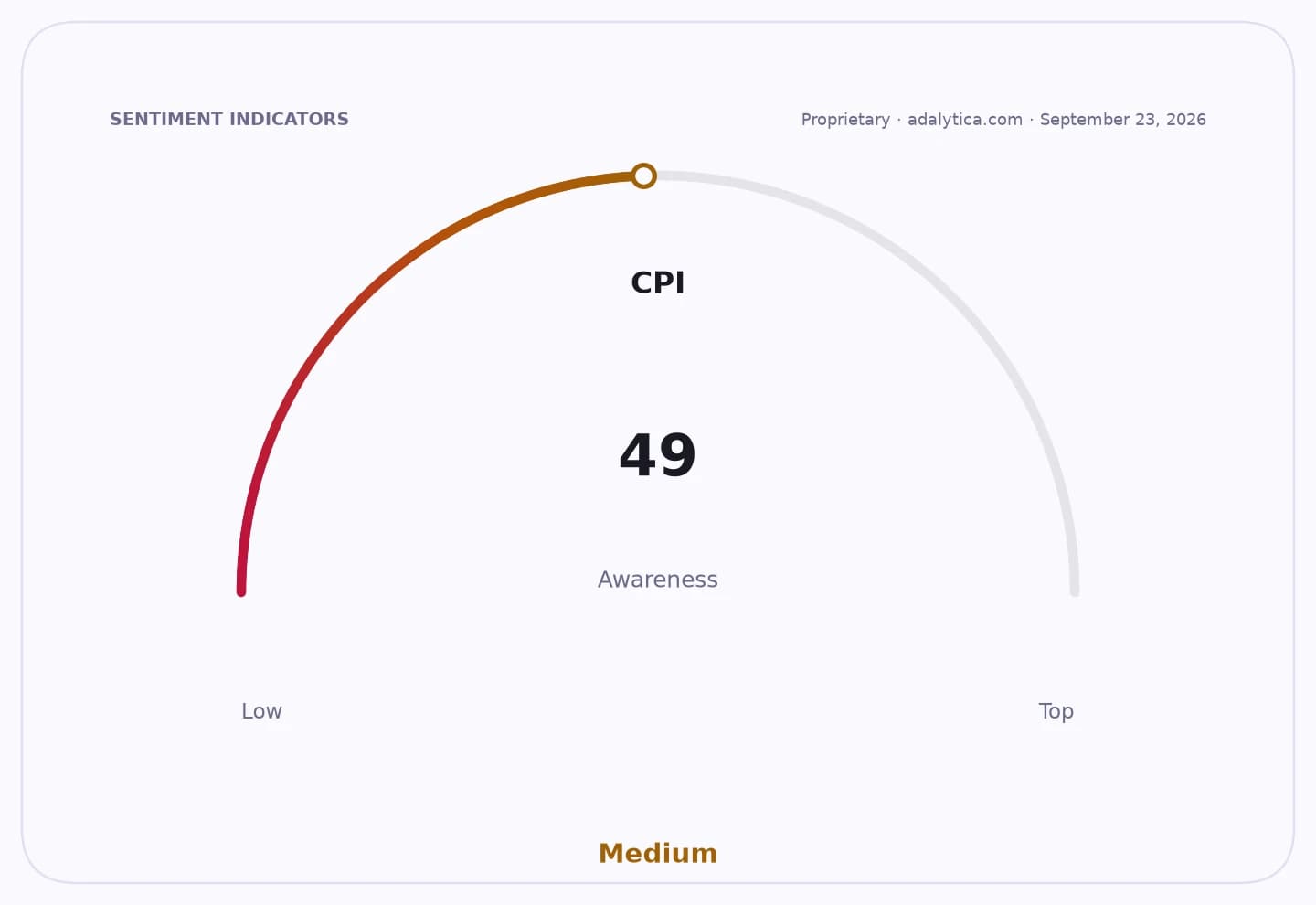
Sentiment IndicatorsⓘProprietary · adalytica.com · September 25, 2026
This is a snapshot — live sentiment, awareness and momentum for 130+ markets update continuously in the dashboard.Open AlphaPulse
Fort Myers said the average annual cost of running the utility rose 7.5% in fiscal 2024, driven by a 9% jump in operating supplies and a 10.5% rise in personnel costs. That’s a familiar pressure point across the utility industry: chemicals, replacement parts and labor rarely get cheaper, while aging infrastructure keeps demanding more spending. The city’s five-year capital plan, worth about $371 million, includes water-treatment plant expansions, reclaimed-water improvements, new deep injection wells and an expanded wellfield.
For customers, the impact is straightforward. A residential user inside city limits at the lowest tier would see water rates rise from $5.67 per thousand gallons to $6.89 by 2030, while the highest tier would go from $22.66 to $27.54. Sewer rates would climb from $16.43 per thousand gallons in 2026 to $19.97 by 2030, and the city is also proposing new fees and surcharges tied to service requests and after-hours work.
Investors should care because utility rate cases and municipal pricing decisions ultimately determine how much cash flow a water system can generate and how much capital it can support. Even though Fort Myers is not a publicly traded utility, the logic is the same one that drives valuations for companies like American Water Works and Essential Utilities: dependable rate growth, regulatory backing and infrastructure spending can create a durable earnings runway. That’s why utility stocks often attract long-term investors seeking steady compounding rather than explosive growth.
There is a catch, of course. Higher bills can trigger political pushback and pressure local officials to trim the size or timing of increases. The city also did not spell out how big a reserve shortfall could become without the proposed hikes, which leaves some uncertainty about how much cushion is really needed. Still, the broader message is hard to miss: water systems across the U.S. are entering a period where replacement costs, labor inflation and capital spending are forcing a more disciplined approach to pricing.
For long-term investors, that’s generally supportive for the industry. Utilities with large, growing rate bases tend to do best when they can pass through inflation and fund upgrades without shocking customers. Fort Myers’ plan is a local example of a national trend, and it reinforces why the best water stocks remain worth watching for patient investors who want income, resilience and long-duration compounding.
| Entity | Gains | Losses |
|---|---|---|
| Fort Myers utility fund | ▲Higher revenue, stronger reserves | ▼Political backlash risk |
| Fort Myers customers | ▲Predictable upgrades | ▼Higher monthly bills |
| Water utility investors | ▲Better rate-setting backdrop | ▼Slower customer growth |
| Construction/vendors | ▲More capital spending | ▼N/A |