France inflation hits low-income households
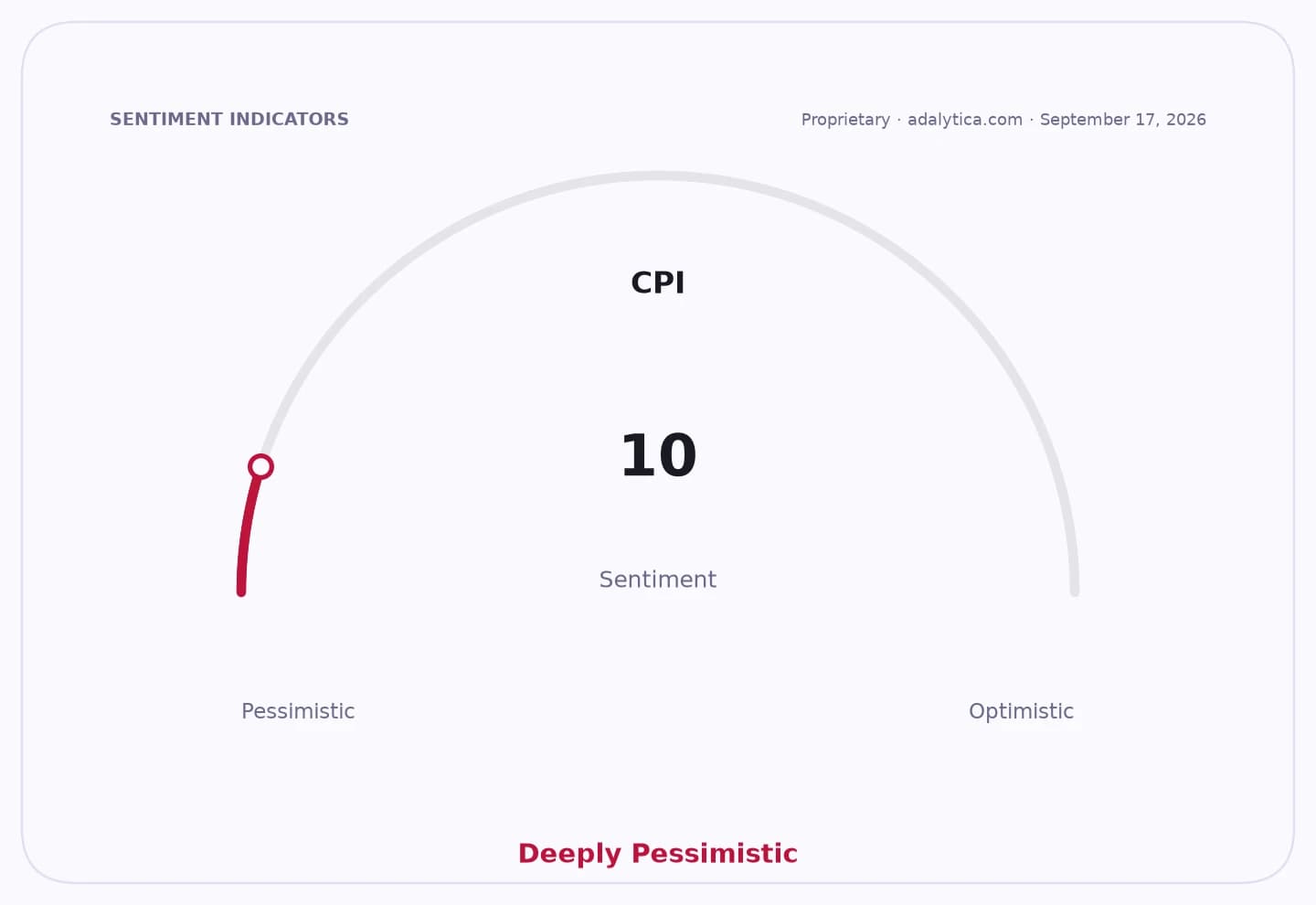
Inflation is back on the table in France, and the households feeling it first are the ones with the least room to absorb it.
For low-income families, the squeeze is coming from the most unavoidable parts of the monthly budget: fuel and food. Energy prices have surged 16% and fresh produce 20%, helping push overall inflation to 2.4% and putting fresh pressure on purchasing power just as many households were hoping the worst of the cost-of-living shock was behind them.
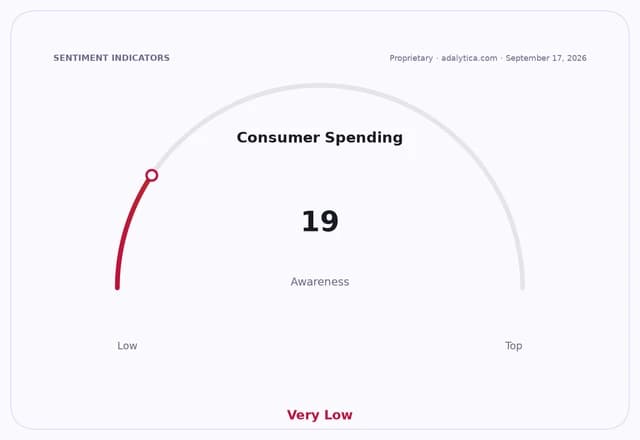
That matters because inflation does not hit every family the same way. Lower-income households spend a bigger share of their income on essentials such as gasoline, heating and groceries, so even modest price increases can translate into a much sharper hit to real living standards. The Insee says real wages will still end the year below their 2021 level, while household purchasing power is set to contract 0.4% in 2026. That is a smaller decline than in 2022, but it comes without the broad government relief measures that softened earlier shocks.
The story is not just about statistics. It is about how a third inflation wave — after the post-COVID surge and the war in Ukraine — can compound over time. Every new jump in pump prices or supermarket bills erodes the ability of households to save, spend and plan. When one parent says a monthly budget is down by 100 euros and baby milk has risen from 15.60 euros to 19 euros, that is not noise. It is the kind of pressure that changes consumer behavior, from driving less to trading down on food and postponing purchases.
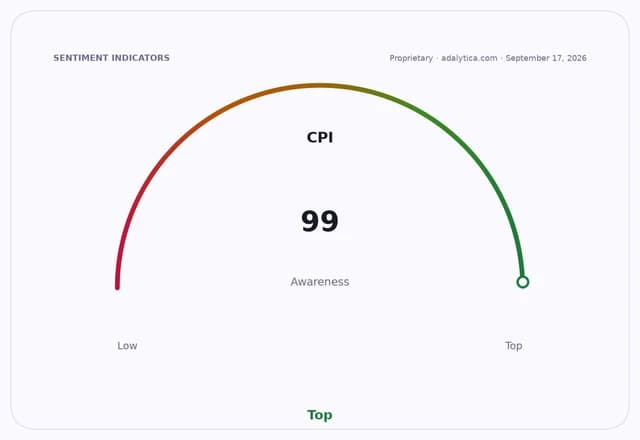
Investors should care because inflation is a macro story with market consequences. Persistent price pressure can keep policymakers cautious, weigh on consumer stocks and support energy-related assets. It also reinforces the case for companies with pricing power and stable demand, while leaving more exposed discretionary names vulnerable if households continue to retrench. The move in the Energy Select Sector SPDR Fund, XLE, alongside broader inflation-sensitive gauges, shows how quickly markets can reprice when fuel costs rise.
There is also a political layer. With a presidential campaign approaching, purchasing power is becoming a central battleground issue. That raises the odds of policy proposals aimed at lowering the cost of work or boosting net pay, but it also underlines the limits of quick fixes when the inflation impulse is coming from global energy shocks and weather-hit harvests.
For long-term investors, the key takeaway is simple: inflation remains one of the most important forces shaping consumer demand, central-bank policy and sector leadership. This is a reminder to stay diversified, focus on businesses that can pass through costs, and think in years rather than months. For French households, the squeeze may ease next year if inflation cools and wages catch up. For now, though, low-income consumers are once again carrying the heaviest load — and that is worth watching.
| Entity | Gains | Losses |
|---|---|---|
| Energy producers | ▲Higher fuel prices | ▼Consumers’ budgets |
| Food retailers with pricing power | ▲Margin resilience | ▼Low-income households |
| Defensive stocks | ▲Relative demand support | ▼Discretionary retailers |
| French policymakers | ▲Political urgency for action | ▼Credibility if inflation persists |