France inflation pressure rises as oil tops $100
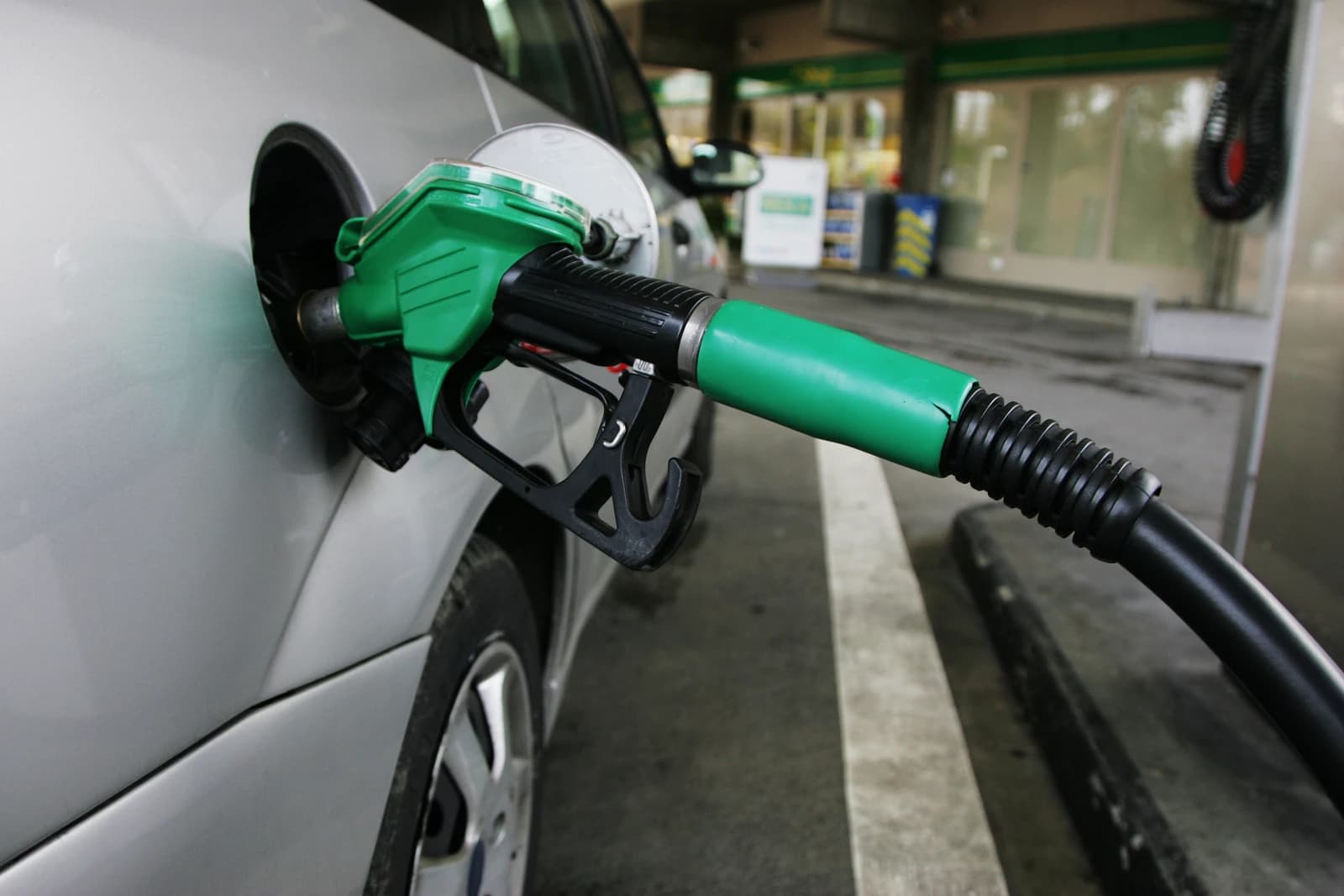
Fuel costs are staying elevated and keeping French inflation pressure alive, squeezing households already showing signs of strain as global oil prices push back above $100 a barrel.
Wholesale inflation hit 9.92% in August, according to the supplied context, and the latest oil market data show why the squeeze is not easing. U.S. crude futures closed at $104.65 on Sept. 15, while Brent settled at $107.91, both sitting above their 50-day and 200-day moving averages and near the top end of their Bollinger Bands, signs that the rally remains technically stretched.
That matters for France because energy costs quickly flow into transport, food and other consumer prices, making it harder for policymakers to claim inflation is under control. The context points to escalating Middle East tensions as the main driver of the oil spike, with crude having jumped sharply from the mid-$80s in April to above $100 again in September.
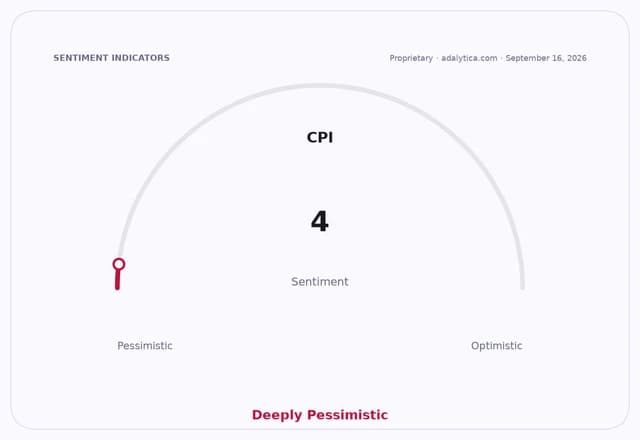
For consumers, the pressure is showing up in sentiment. Adalytica’s CPI gauge is at 4.0, labeled “Extreme Fear,” while its consumer spending sentiment snapshot has fallen to 67 from 81 a day earlier and 89 two days earlier, suggesting households are growing more cautious as fuel costs bite.
The government has already been forced to tweak subsidized fuel quotas, first cutting them and then restoring them in September as crude prices and subsidy costs swung around, according to the context. But the Ministry of Economic Affairs has rejected SPD calls to ease fuel costs, keeping prices high despite public frustration.
Bond and equity markets are also reading the inflation risk through a tighter macro lens. The U.S. 10-year yield is near 4.97%, and energy shares have outperformed broader stocks, with the XLE ETF up to $65.93, reflecting investor demand for oil exposure while consumers and rate-sensitive sectors absorb the downside.
For investors, the immediate watchpoints are whether oil can hold above $100 and whether more fuel-led inflation forces policymakers into another round of subsidies or tougher monetary messaging. If crude stays elevated, French households face more pressure and energy producers remain the relative winners.
| Entity | Gains | Losses |
|---|---|---|
| Oil producers | ▲Higher realized prices | ▼None from near-term price spike |
| French households | ▲— | ▼Higher fuel and living costs |
| French government | ▲Political cover if subsidies ease pressure | ▼Budget strain from fuel support |
| Energy stocks | ▲Stronger earnings outlook | ▼Consumer-sensitive sectors |