FTSE 100 slips as oil rises and Fed hike bets build
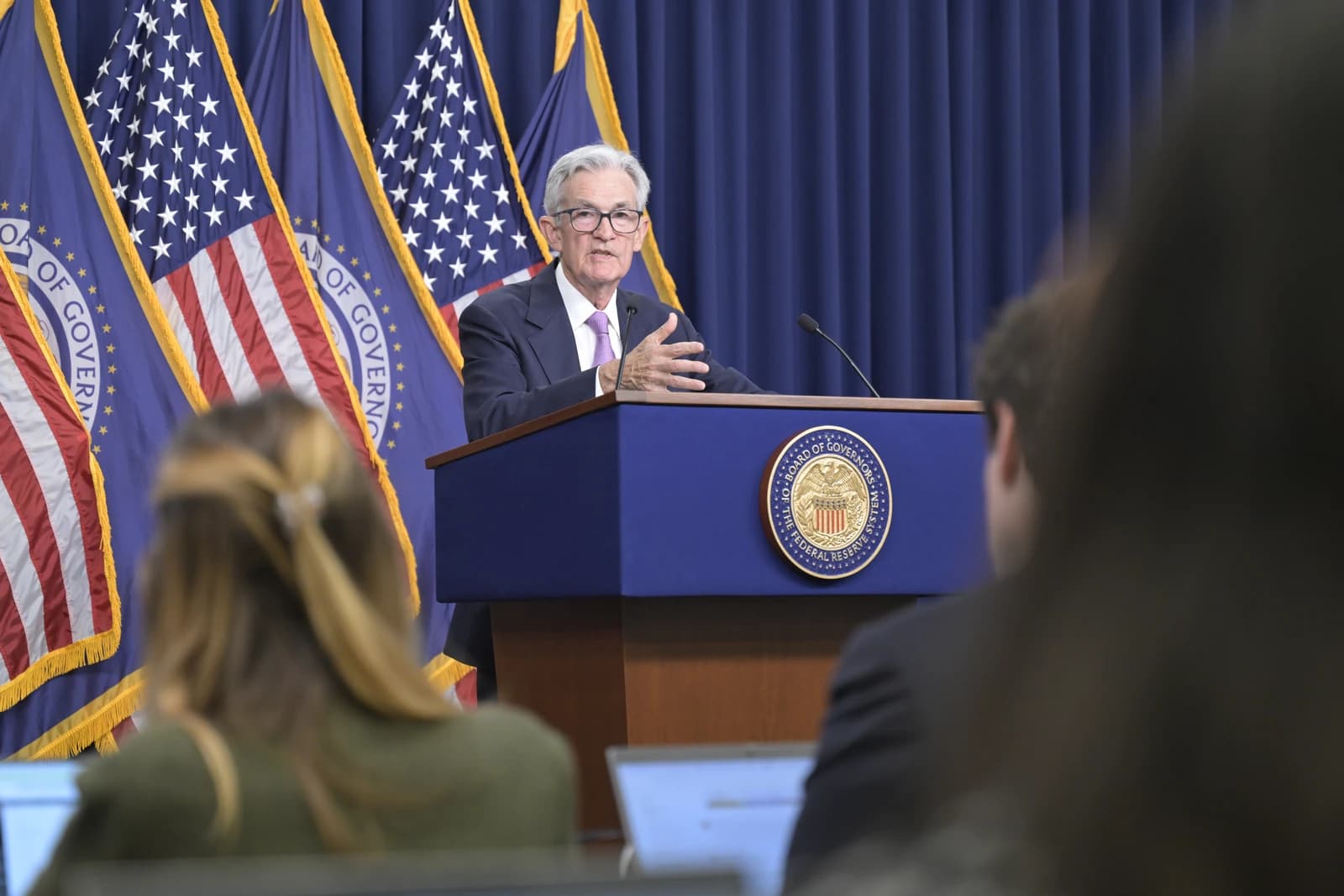
London equities slipped on Monday as a jump in oil prices and rising expectations of another Federal Reserve rate increase kept pressure on risk assets, leaving the FTSE 100 down 0.1% even as energy shares cushioned the move.
The benchmark closed at 10,822.13, down 8.96 points, with gains in BP and Shell offsetting weakness across consumer staples, pharmaceuticals and grocery names. The index’s muted finish underscored how higher crude and the prospect of tighter US monetary policy are feeding opposite forces through the UK market: energy producers benefit from dearer oil, while the broader market faces the drag of potentially stickier inflation and higher discount rates.
Brent and US crude were trading near six-week highs after renewed US-Iran attacks around shipping through the Strait of Hormuz and other routes raised concerns about flows from one of the world’s most important energy chokepoints. That matters beyond the oil patch. A sustained rise in crude can lift headline inflation, complicate central bank decisions and squeeze consumer spending power just as investors were already leaning toward further Fed tightening after strong US payrolls data on Friday.
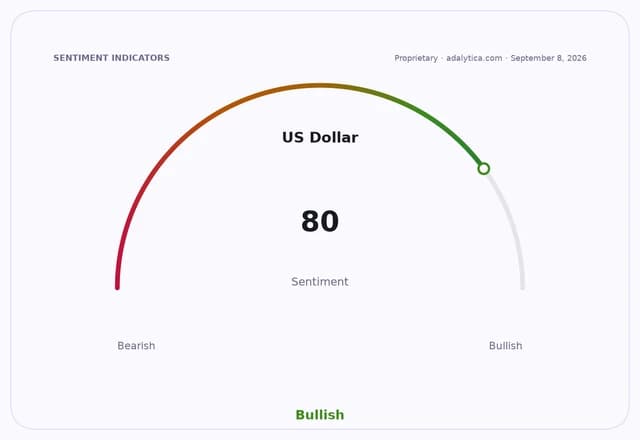
The rate backdrop is the bigger market problem. Even before the latest move in oil, bond yields had been climbing and pressuring equities, especially rate-sensitive mid-cap shares that have borne the brunt of the selloff in recent weeks. For London investors, the combination of firmer energy prices and a more hawkish Fed keeps the cost of capital elevated and supports the dollar, which is another headwind for multinational earnings translated back into sterling terms.
Sector performance reflected that split. Energy was the day’s best performer, with BP and Shell each up about 1%. At the other end, consumer-facing defensive groups — personal care, pharmaceuticals, food retail and beverages — fell as investors weighed the risk that higher input costs and weaker real incomes could crimp margins and demand. Standard Life rose 2% after first-half profit beat estimates, while Ashmore gained 1% after annual profit rose 17% but missed forecasts slightly. Spire Healthcare climbed about 3% after agreeing to a roughly £1.03 billion takeover by a consortium led by Toscafund, Three Hills and Ares.
The broader question for markets this week is whether the oil shock is temporary or the start of a more persistent inflation impulse. Investors will watch US inflation data and UK growth figures for clues on how much room policymakers have to ease pressure, while Chancellor Rachel Reeves’ new Treasury messaging is aimed at reassuring markets before the budget. For now, the FTSE’s resilience relative to more rate-sensitive equity gauges suggests investors are still favoring energy cash flows over broader cyclical exposure — but that trade can reverse quickly if crude retreats or Fed tightening looks more aggressive than expected.
| Entity | Gains | Losses |
|---|---|---|
| BP, Shell, energy producers | ▲Higher oil revenue | ▼Margin pressure eases less for consumers |
| Consumer staples, pharma, beverages | ▲Defensive appeal if growth slows | ▼Higher input costs and weaker demand |
| FTSE 100 energy-heavy index | ▲Support from oil rally | ▼Drag from rate-hike fears |
| Bond and rate-sensitive equities | ▲- | ▼Higher yields and tighter financial conditions |