FXI, Yuan Watch as Russia Floats APEC Summit
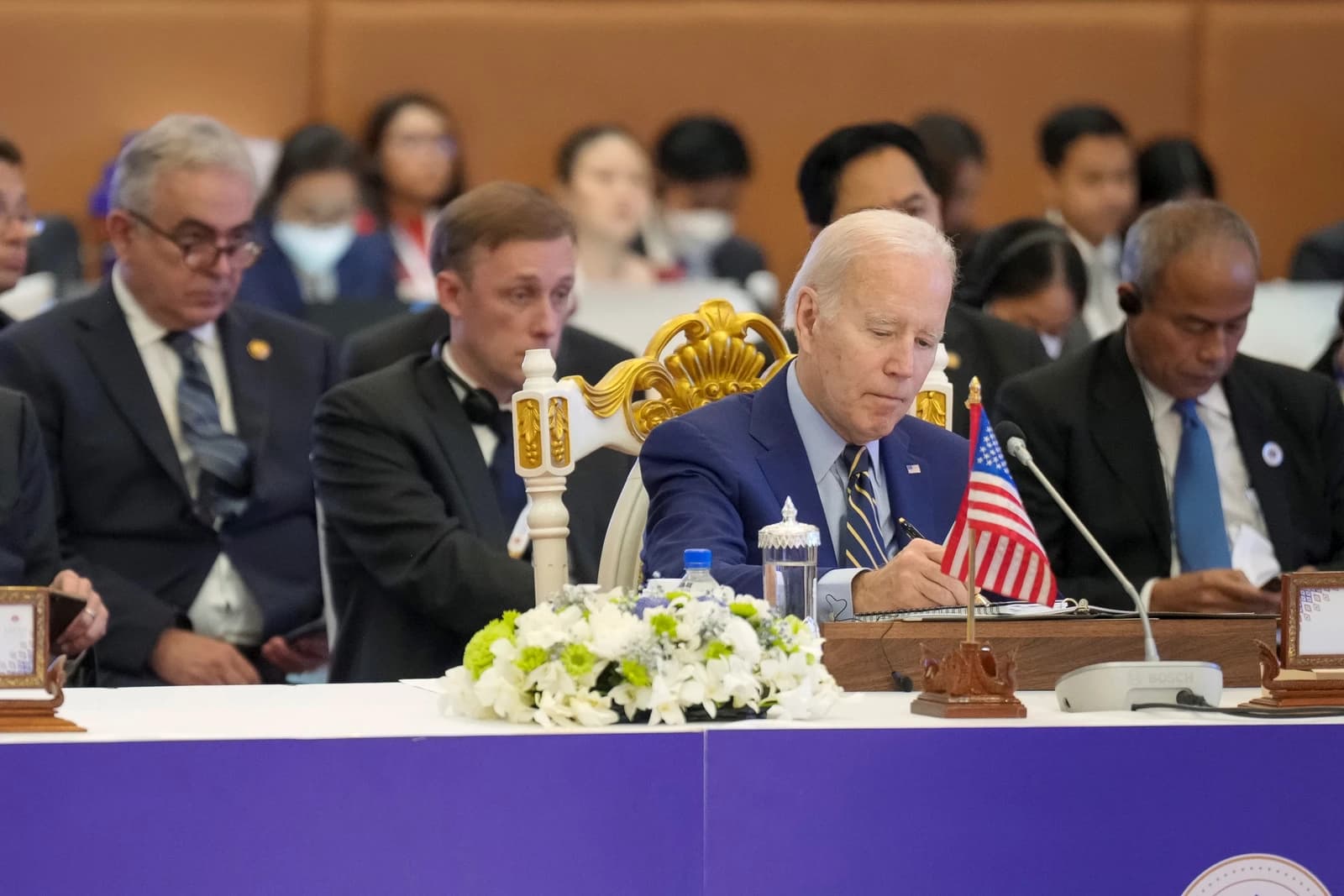
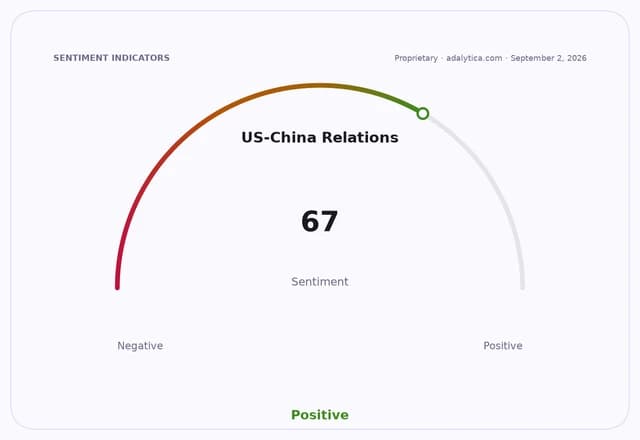
Russia’s suggestion that a U.S.-China-Russia summit could be staged around the APEC meeting in China this November gives markets a fresh geopolitical catalyst for risk assets tied to Beijing, with the clearest read-through landing on Chinese equities, the yuan and sectors exposed to trade and sanctions policy.
The significance is not the scheduling detail; it is the possibility that three of the world’s most powerful capitals could use APEC as a diplomatic backdrop to test whether great-power rivalry can be managed without a sharper economic break. That matters because every step toward dialogue lowers the tail risk of escalation in trade, technology controls and energy flows — the channels that move capital, not just headlines.
For investors, the immediate trade is less about a formal summit and more about probability. Even a hint of broader engagement tends to support China-sensitive assets by easing the premium for geopolitical friction. That helps explain why the iShares China Large-Cap ETF, FXI, has held near $35.34 after swinging as low as $34.13 in July, while its 50-day moving average sits at $34.52 and the price remains below the 200-day average of $36.55. Momentum is improving — the RSI was 44.1 and the MACD stayed positive — but the market is not yet pricing a full-blown rerating.
That restraint is important. FXI remains well below its recent levels near $40, showing investors still want proof before they buy into a détente narrative. The same caution is visible in U.S. benchmarks: the SPDR S&P 500 ETF Trust, SPY, closed at $761.78, with its RSI down to 38.4, suggesting broader risk appetite has cooled even as the index remains far above its 200-day moving average. In other words, the market has room to respond if diplomacy improves.
The dollar is the other key piece of the puzzle. The U.S. Dollar Index fund, UUP, at 28.21 is trading close to its 50-day average of 28.27, indicating no dramatic flight-to-safety bid yet. If talk of a trilateral summit gains traction, that could cap dollar strength and support emerging-market and China-linked assets by signaling less need for defensive positioning.
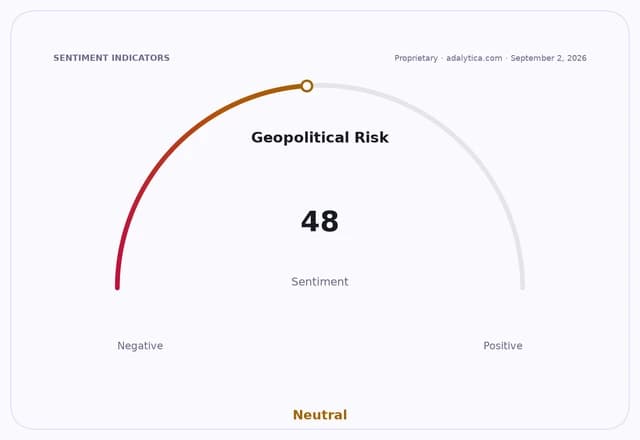
The bigger narrative is that APEC is becoming a stage for economic statecraft. For Beijing, a summit involving Washington and Moscow would underline its centrality in the global order. For the U.S., it would offer a venue to calibrate China policy without surrendering leverage. For Russia, it would be a diplomatic opening that could ease isolation pressures. Investors should think in terms of second-order beneficiaries: Chinese internet, consumer and industrial names, commodities tied to China demand, and select multinationals with meaningful mainland exposure.
I believe the market is still underpricing the upside if even partial thawing emerges from November’s APEC backdrop. The opportunity is not to chase every rumor, but to position early in the names and ETFs that outperform when geopolitical risk premium falls. FXI is the cleanest liquid expression, while a softer dollar would reinforce the move. If the summit talk hardens into real diplomacy, the next leg may come not from headlines themselves, but from capital rotating back into China risk before consensus fully catches up.
| Entity | Gains | Losses |
|---|---|---|
| FXI / China equities | ▲Lower risk premium | ▼Geopolitical discount |
| U.S.-China dialogue | ▲Trade de-escalation hopes | ▼Escalation bets |
| UUP / U.S. dollar | ▲Little if tensions stay high | ▼Safe-haven demand |
| SPY / broad risk assets | ▲Relief rally potential | ▼Defensive flows |