G20 Fails Joint Statement as Tariff Debate Grows
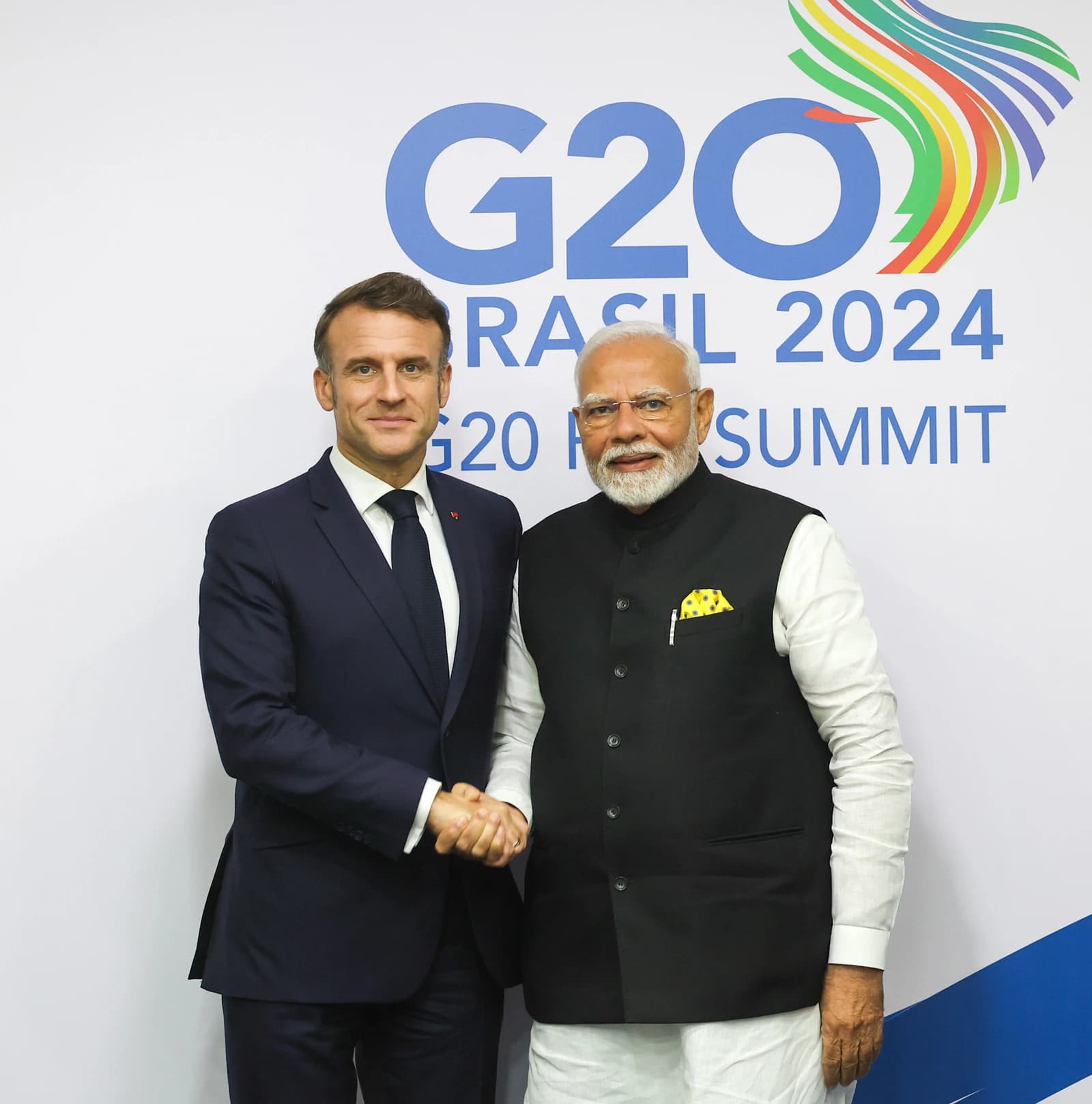
The G20 has failed to produce a joint statement, underscoring how tariffs, Middle East tensions and market instability are pushing the world’s biggest economies further apart at a time when investors are already bracing for weaker global coordination.
That matters because the G20 is no longer just a forum for polite communiques. When members cannot agree on language, it usually reflects a deeper fracture in how they want to manage trade, energy and financial stability. For markets, that means less confidence that policymakers will lean together if growth slows, inflation flares or another shock hits the system.
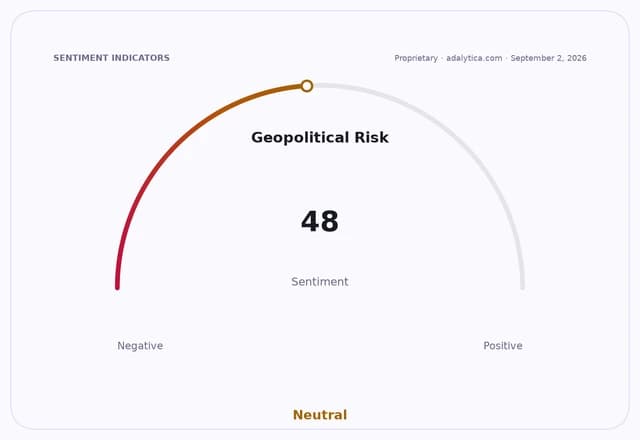
U.S. Treasury Secretary Scott Bessent has used the summit to argue that G20 nations should consider tariffs to shield domestic industries from cheap imports, a sign that protectionism is moving closer to the center of the policy debate. That is a major shift for global trade. It raises the odds of a slower, more fragmented world economy in which countries increasingly defend domestic manufacturing, supply chains and strategic sectors rather than rely on open trade.
Investors should read that as a capital-allocation story as much as a diplomatic one. A more protectionist G20 supports domestic industrial policy, defense, energy security and infrastructure spending, while weighing on exporters, multinational manufacturers and companies dependent on cross-border supply chains. It also keeps volatility alive in commodities and currencies, especially as the Iran conflict and bond-market strain add to the sense that global policy makers are reacting rather than coordinating.
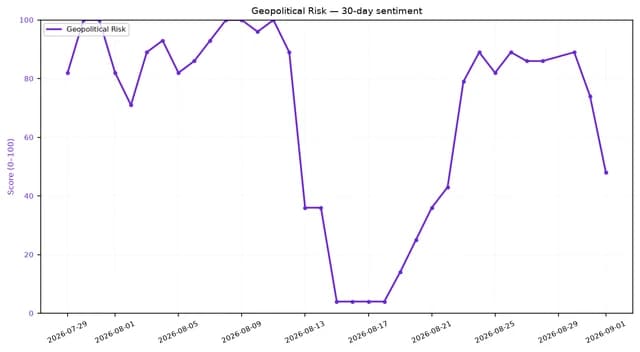
China sits at the center of that tension. Any breakdown in G20 consensus around tariffs and trade hits Beijing’s export-led model directly, but it also reinforces the case for Chinese stimulus and domestic demand support. For equity investors, that can keep pressure on broader China proxies such as FXI, which remains well below its 200-day moving average, even after a short-term rebound. The fund’s recent price action shows a market that is still trying to decide whether China is a value opportunity or a policy trap.
The same discord also helps explain the bid for defensive assets. Gold remains close to elevated levels even after a pullback, while oil has surged sharply in recent months as geopolitical risk and supply concerns have kept a floor under energy prices. That combination is classic late-cycle behavior: investors seek real assets, policy visibility and exposure to essential infrastructure rather than cyclical global growth.
The market underestimates how quickly this kind of G20 fragmentation can turn into a lasting investment regime. If tariffs become normalized, the winners are likely to be companies tied to reshoring, energy security, logistics, automation and defense. The losers are the old globalizers: exporters, commodity importers with no pricing power, and equity markets that depend on synchronized world growth.
My view is simple: the absence of a joint G20 statement is not a procedural footnote, it is a warning shot. The next leg of this market will favor investors positioned in protection, resilience and strategic independence. Buy the toll roads of the new economy, not the exposed cargo ships of the old one.
| Entity | Gains | Losses |
|---|---|---|
| U.S. industrial and defense firms | ▲Tariff protection; policy support | ▼Lower if global growth slows |
| Gold and safe-haven assets | ▲Haven demand; geopolitical stress | ▼None from the split |
| China exporters and FXI-linked stocks | ▲Short-term policy stimulus hopes | ▼Trade pressure; weaker sentiment |
| Global multinationals | ▲Few direct gains | ▼Margin pressure; supply-chain friction |