GAIL Opposes IGX LNG Terminal Booking Plan
GAIL is pushing back against plans to route LNG terminal capacity bookings through the Indian Gas Exchange, a move that could determine who controls access to scarce import infrastructure in one of Asia’s fastest-growing gas markets.
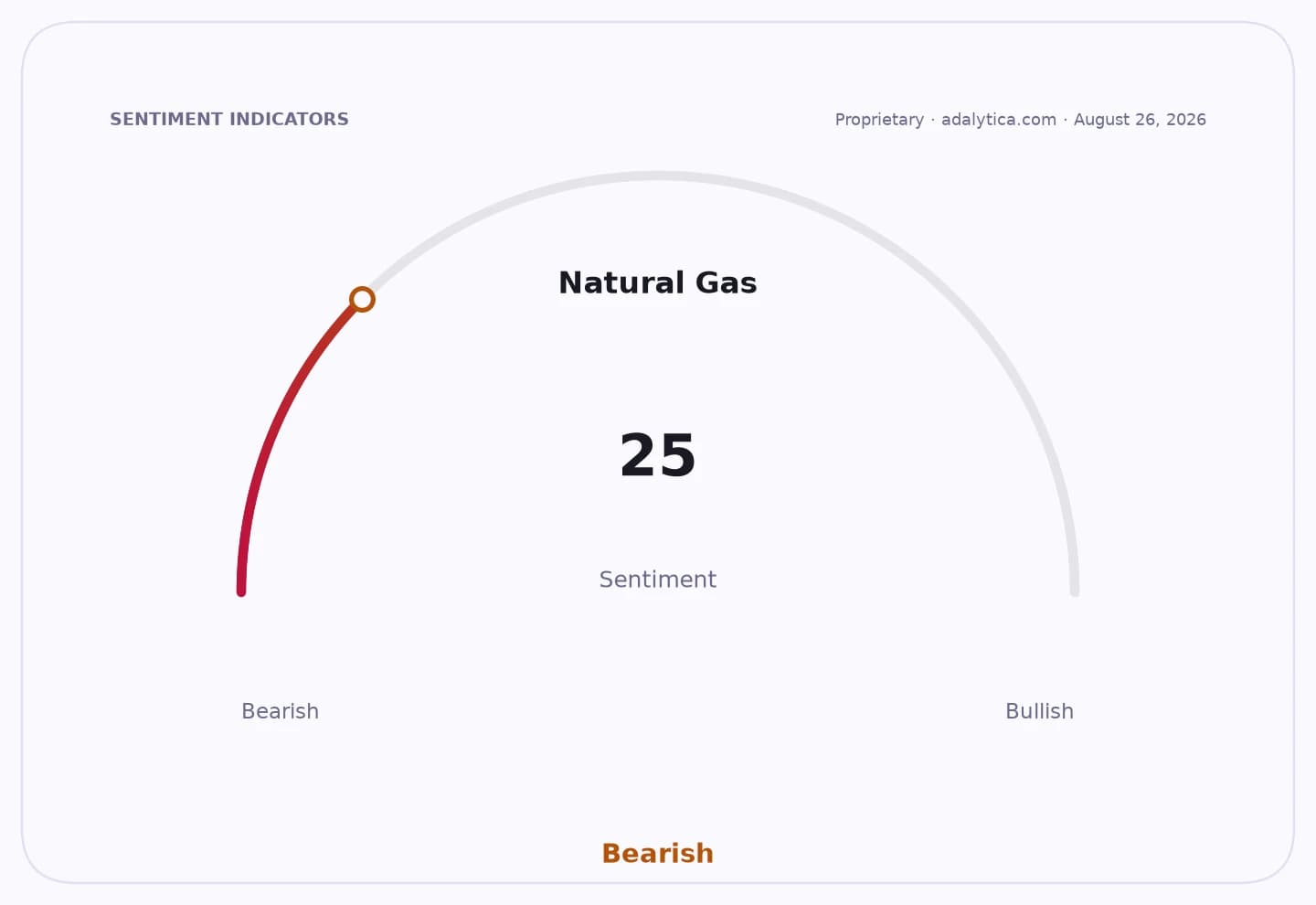
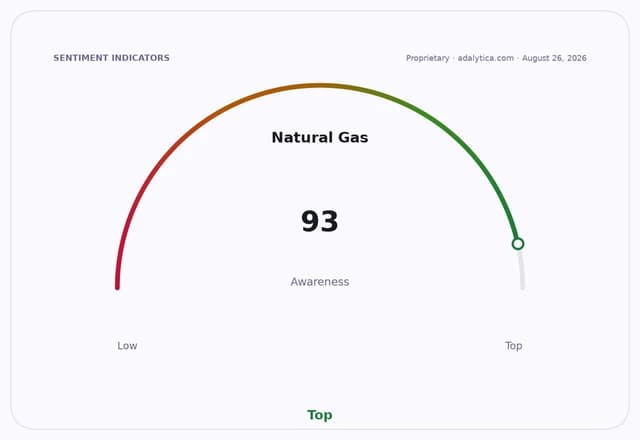
The dispute matters because LNG terminals are not just logistics hubs; they are gatekeepers for supply in a market where buyers are already paying up for cargoes and long-term security is becoming more valuable than spot price savings. With global gas sentiment still in “fear” even as awareness of the market remains elevated, any change to booking rules can shift bargaining power between incumbents, exchange platforms and new entrants.
For GAIL, the issue is commercial as much as regulatory. A shift toward IGX-based booking could weaken the role of established shippers and marketers that have traditionally relied on bilateral access arrangements, while opening the door to more transparent but more competitive allocation of terminal slots. That would matter for margins, contract control and the economics of LNG imports into India, where imported gas often has to compete with regulated or long-term domestic supply.
The timing is sensitive. Brent crude is around $83.85 a barrel and the U.S. 10-year Treasury yield is near 4.72%, a backdrop that keeps financing costs and energy import bills elevated. In India, higher LNG reliance can feed through to industrial fuel costs, power generation economics and fertilizer pricing if terminal access becomes more constrained or expensive.
The broader narrative is about control of energy infrastructure in a market where LNG security is increasingly strategic. As governments and buyers seek alternative supply routes and more flexible procurement, whoever controls terminal booking terms can influence pricing power, supply reliability and the pace of gas market liberalization.
Investors will be watching for whether regulators back IGX as a more open trading venue or preserve the influence of incumbent utilities like GAIL. The next catalyst is any formal government or regulatory response, which could determine whether India’s LNG import system becomes more exchange-driven or remains anchored by legacy players.
| Entity | Gains | Losses |
|---|---|---|
| IGX | ▲More booking volume | ▼Less incumbent resistance |
| GAIL | ▲Legacy control | ▼Platform-led access shift |
| LNG buyers | ▲Potentially wider access | ▼Higher coordination risk |
| Incumbent shippers | ▲Existing allocation power | ▼More competition for capacity |