Gasoline Prices Rise as Trump Faces Midterm Pressure

Rising gasoline prices are emerging as a bigger political liability for President Donald Trump and Republicans just as early voting begins, with the national average at $4.48 a gallon and households already feeling the hit in real time.
The core economic issue is not the level alone, but the speed and timing of the move. Gasoline has climbed 17 cents in a week, 40 cents in a month and $1.27 from a year ago, a jump that lands directly on working- and middle-class budgets ahead of the November midterms. Voters do not need a quarterly report to see the cost of fuel; they see it every few days at the pump, and that makes gasoline one of the most politically sensitive prices in the economy.
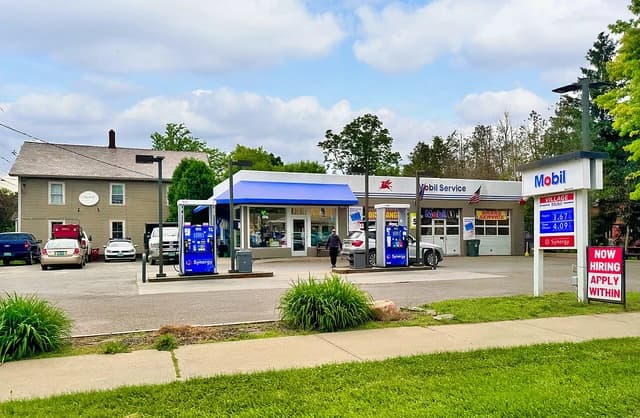
Trump has tried to play down the blowback, telling supporters in North Carolina that the war with Iran is “a very inexpensive price to pay” even if fuel costs rise further. But interviews across Arizona, Michigan, Texas, North Carolina and Virginia suggest the opposite dynamic is taking hold. Drivers are cutting back on discretionary spending, fretting about groceries and commuting costs, and blaming Washington for an affordability problem that was already weighing on sentiment before the latest energy shock.
That matters because gas prices often feed quickly into broader inflation expectations, especially when households are already stretched by higher food, rent and borrowing costs. The latest Consumer Price Index data in the context point to annual inflation still running far above pre-pandemic norms, while the unemployment rate around 4.1% leaves little cushion for consumers who are absorbing a sudden jump in transport costs. For politicians, that combination is toxic: steady employment reduces the urgency of recession fears, but it does not soften the sting of a more expensive trip to work or the grocery store.
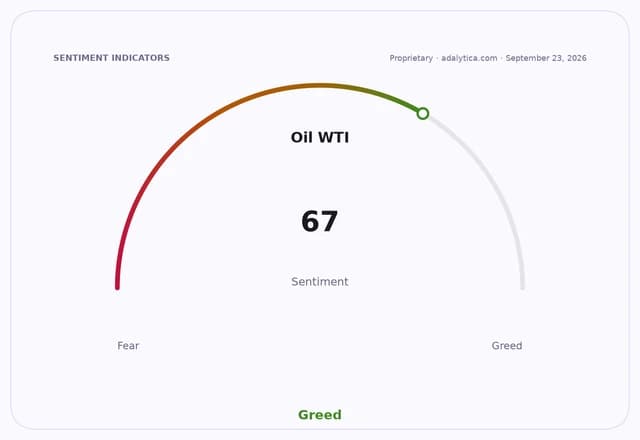
Energy markets are reinforcing the pressure. West Texas Intermediate has surged in recent weeks, with the USO oil fund showing a sharp run-up and elevated momentum readings before the latest pullback. Energy shares, tracked by the XLE ETF, have also traded higher, reflecting the market’s view that tighter crude supply and geopolitical risk can support producer margins even as they hurt consumers. In other words, the same shock that punishes voters can still reward oil companies and commodity-linked investors.
That split helps explain the political and market narrative now forming around the conflict. Higher fuel prices are a transfer from consumers to energy producers, refiners and producers with exposed crude assets, while import-dependent businesses, trucking operators and households face a direct tax on spending. The latest surge in natural gas prices in Europe, including production stoppages at Ineos plants in Hull, adds to the sense that energy inflation is again becoming a global industrial problem, not just a household one.
For investors, the immediate question is whether the oil rally is sustainable or whether the market has already priced in too much geopolitical disruption. WTI has come off its peak, but it remains elevated, and the technical backdrop in USO still shows the fund trading well above its 200-day average. If crude holds near current levels, upstream producers and some refiners may continue to see support in cash flow and margins. If the spike fades as supply fears ease, energy equities could give back part of their recent gains even while voters keep the political scars.
The broader risk for Trump is that gasoline becomes the most visible symbol of an affordability problem he promised to fix. If prices stay above $4 and the war narrative fails to reassure households, the issue could shape turnout, especially among independents and lower-income voters. For markets, the next catalyst is whether geopolitical tensions keep crude bid or whether inventory and supply responses bring pump prices back down before the political damage hardens.
| Entity | Gains | Losses |
|---|---|---|
| Oil producers | ▲Higher realized prices | ▼Consumer backlash risk |
| Refiners | ▲Potentially wider margins | ▼Demand destruction |
| Voters/households | ▲None | ▼Higher commuting and living costs |
| Trump and Republicans | ▲If prices ease quickly | ▼Midterm support and approval |