Gates Foundation Pledges $1B for AI Access
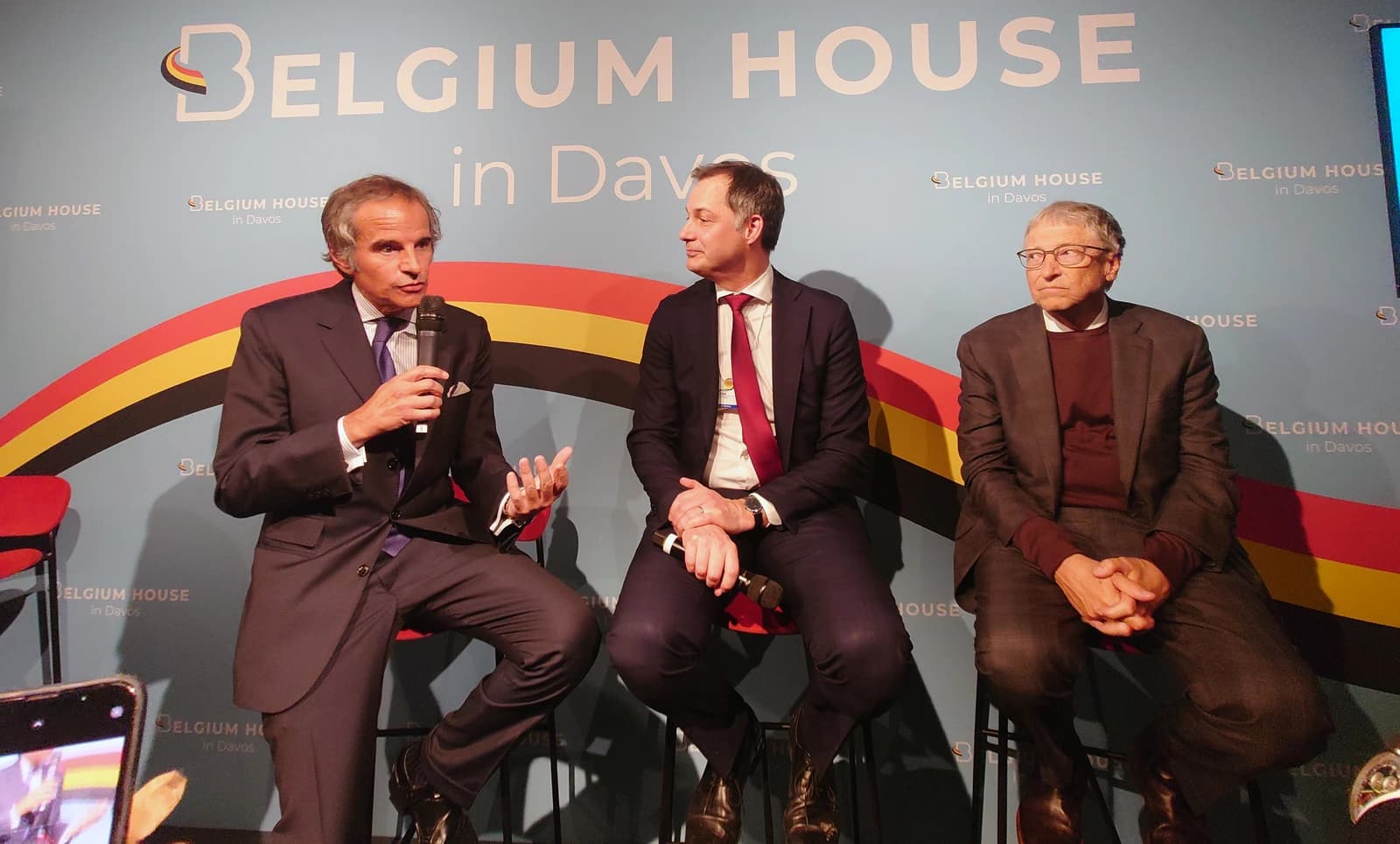
Bill & Melinda Gates Foundation is putting $1 billion behind a push to make artificial intelligence usable in low-income and rural communities, turning a philanthropy story into a broader debate over who benefits from the next wave of computing.
The pledge, to be spent over the next two years, matters economically because it targets the parts of the AI stack that private capital often leaves underfunded: local data, digital skills, connectivity and affordable access. Bill Gates warned that left entirely to the market, the most advanced AI tools will reach the highest-paying users first, widening inequality rather than narrowing it. That makes the foundation’s bet less about charity than about shaping demand for AI in education, health care and agriculture across emerging markets.
The allocation is also a signal to investors that the next phase of AI adoption may not be defined only by model performance or cloud spending, but by distribution. Roughly 40% of the budget will go to education, including AI tutors and learning tools; another 40% to health care, including drug and vaccine research; 10% to agriculture and the rest to digital infrastructure and data. Those priorities point to where AI could generate measurable social and commercial returns if the technology becomes cheaper and more localized.
For Microsoft, Alphabet and Nvidia, the foundation’s move reinforces the case that AI demand will keep broadening beyond enterprise customers and wealthy consumers. But it also highlights a counterpoint: the biggest commercial winners so far have been the companies selling the chips, cloud capacity and frontier models, while the infrastructure needed to reach underserved users remains patchy. That gap could eventually create opportunities for platform providers, telecoms, edtech firms and health-tech developers that can package AI for lower-income markets.
The timing matters as much as the size. AI investment has been concentrated in a handful of rich markets, even as public institutions increasingly warn that digital divides could become economic divides. If the Gates effort draws co-investment from governments, multilaterals or large technology firms, it could accelerate adoption in regions where productivity gains from AI may be largest. If it does not, the program may mostly underline how expensive and difficult inclusive deployment remains.
The broader narrative is that AI’s economic value will depend not just on who builds the models, but on who can actually use them. For investors, that shifts attention from the race for compute alone to the emerging market for AI delivery, localization and training — the layer where the biggest social dividend, and some of the next commercial upside, may be found.
| Entity | Gains | Losses |
|---|---|---|
| Gates Foundation | ▲Greater AI reach | ▼Higher program risk |
| Low-income communities | ▲Better access | ▼Uneven rollout |
| Microsoft, Alphabet, Nvidia | ▲Broader AI demand | ▼Pressure to localize |
| Wealthier users/providers | ▲Early access | ▼Less policy focus |