GBP/EUR falls to 13-day low near 1.1648

The pound’s slide toward €1.16 is being driven less by day-to-day noise than by a deeper market repricing of UK risk, as gilt yields hit their highest level since August 2007 and investors start to question how long Britain can absorb higher borrowing costs.
That matters because currency moves are no longer just a story about relative growth. They are increasingly a referendum on fiscal credibility, inflation persistence and central-bank path dependencies. When UK government bond yields jump to multi-decade highs, sterling tends to lose one of its key supports: the idea that higher rates are an unambiguous sign of economic strength. Instead, the market reads them as a warning that financing costs are becoming a constraint on growth and, potentially, on policy flexibility.
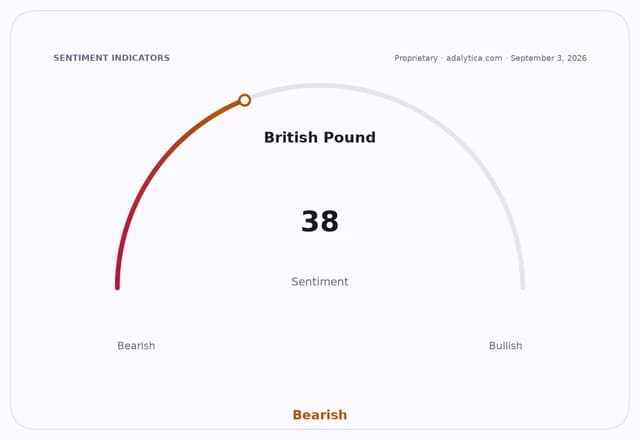
GBP/EUR fell to €1.1648, a 13-day low, as the pound was left without a fresh domestic data catalyst and the euro drew modest safe-haven interest in a risk-off session. The move reflects a familiar but powerful FX dynamic: if gilt yields rise because investors demand more compensation for holding UK debt, that does not automatically make sterling attractive. It can do the opposite by intensifying fears that the economy will slow under the weight of tighter financial conditions.
The euro’s upside was limited, but it did not need to be strong to pressure the pair lower. In a market where the pound is vulnerable to fiscal unease and the euro is supported by firmer rate expectations at the margin, the path of least resistance for GBP/EUR is lower unless UK data changes the narrative quickly.
That is why Thursday’s final services PMIs matter. If the UK services sector shows fresh momentum, it could give sterling a temporary reprieve by offsetting some of the bond-market anxiety. But the bar is high. Markets are already focused on rising government borrowing costs, which can force tighter fiscal choices and keep pressure on consumer demand and business confidence.
For investors, the setup argues for treating sterling as a high-beta currency with downside asymmetry when gilt yields are rising for the wrong reasons. The trade is not simply about whether the Bank of England stays restrictive; it is about whether the UK can finance itself without eroding growth. That is the kind of backdrop that can keep GBP/EUR pinned near the lower end of its recent range and make €1.16 look vulnerable if upcoming services data disappoints or ECB rate expectations firm further.
In other words, the market is starting to price the UK not as a yield story, but as a fiscal and macro stress story. Until that changes, rallies in the pound against the euro look like opportunities to fade rather than the start of a durable trend.
| Entity | Gains | Losses |
|---|---|---|
| Euro sellers | ▲Higher GBP/EUR levels | ▼Near-term downside pressure |
| UK exporters | ▲Softer pound | ▼More expensive imports |
| UK government bond holders | ▲Higher yields | ▼Mark-to-market volatility |
| Pound bulls | ▲Services PMI upside surprise | ▼Gilt-yield driven risk aversion |