GCC Trade Hits $1.6 Trillion as Supply Risks Rise
Gulf states are being forced to treat supply-chain resilience as an economic priority after geopolitical tensions and shipping disruptions exposed how quickly a regional trade hub can become vulnerable to outside shocks.
The issue is no longer theoretical. The Gulf Cooperation Council’s goods trade with the world reached about $1.6 trillion in 2024, including roughly $849.6 billion of exports and $739.9 billion of imports, a scale that makes even short-lived disruptions in sea lanes, air corridors or border crossings immediately visible in costs, inventories and prices.
That matters because the Gulf’s economies sit at the intersection of some of the world’s most important energy and trade routes. When a container is rerouted, an insurance premium rises or an air corridor is constrained, the shock does not stay in logistics. It filters into freight bills, delivery times, working capital needs and, eventually, consumer prices and industrial output.
The present strain is also arriving at a moment when the region’s economies are more exposed to trade than before. GCC imports rose about 55% from 2021 to 2024, underscoring how much more dependent domestic demand, industrial planning and re-export activity have become on uninterrupted global supply.
Saudi Arabia’s response offers a glimpse of how Gulf governments are adapting. The kingdom has activated alternative logistics corridors from western ports, set up facilities to expedite transit cargo and moved to clear 60,000 standard containers within three weeks, while also launching 18 new shipping services with capacity of about 123,600 TEU. Freight costs have already reflected the pressure, with some sea-shipping charges rising by $2,000 to $4,000 per container.
The broader economic significance is that resilience is becoming a policy variable, not just an operational one. In the Gulf, resilience now means having a second route when the first route fails, a second supplier when one source is disrupted and a second port or border crossing that can absorb traffic at short notice.
That is why the region’s push for deeper integration is gaining urgency. Intra-GCC trade exceeded $145 billion in 2024, up nearly 9.8% from a year earlier, and officials are increasingly describing customs coordination, data sharing and mutual recognition of trusted traders as emergency infrastructure as much as commercial reform.
The UAE’s approach reflects that shift. Officials there have framed crisis management around pre-emptive monitoring, rapid first-hour response and policy adjustment as conditions evolve, a model designed to spot bottlenecks before shortages hit shelves or factories. That is particularly relevant as non-oil activity now accounts for 77.3% of the UAE’s real GDP, making supply-chain reliability central not just to food and fuel, but to manufacturing, tourism, construction and services.
For investors, the story cuts both ways. The bull case is that Gulf integration, deeper logistics capacity and stronger customs coordination reduce the economic damage from regional shocks and support non-oil growth. The bear case is that repeated disruptions keep raising insurance, freight and inventory costs, squeezing margins for import-heavy sectors and complicating inflation control.
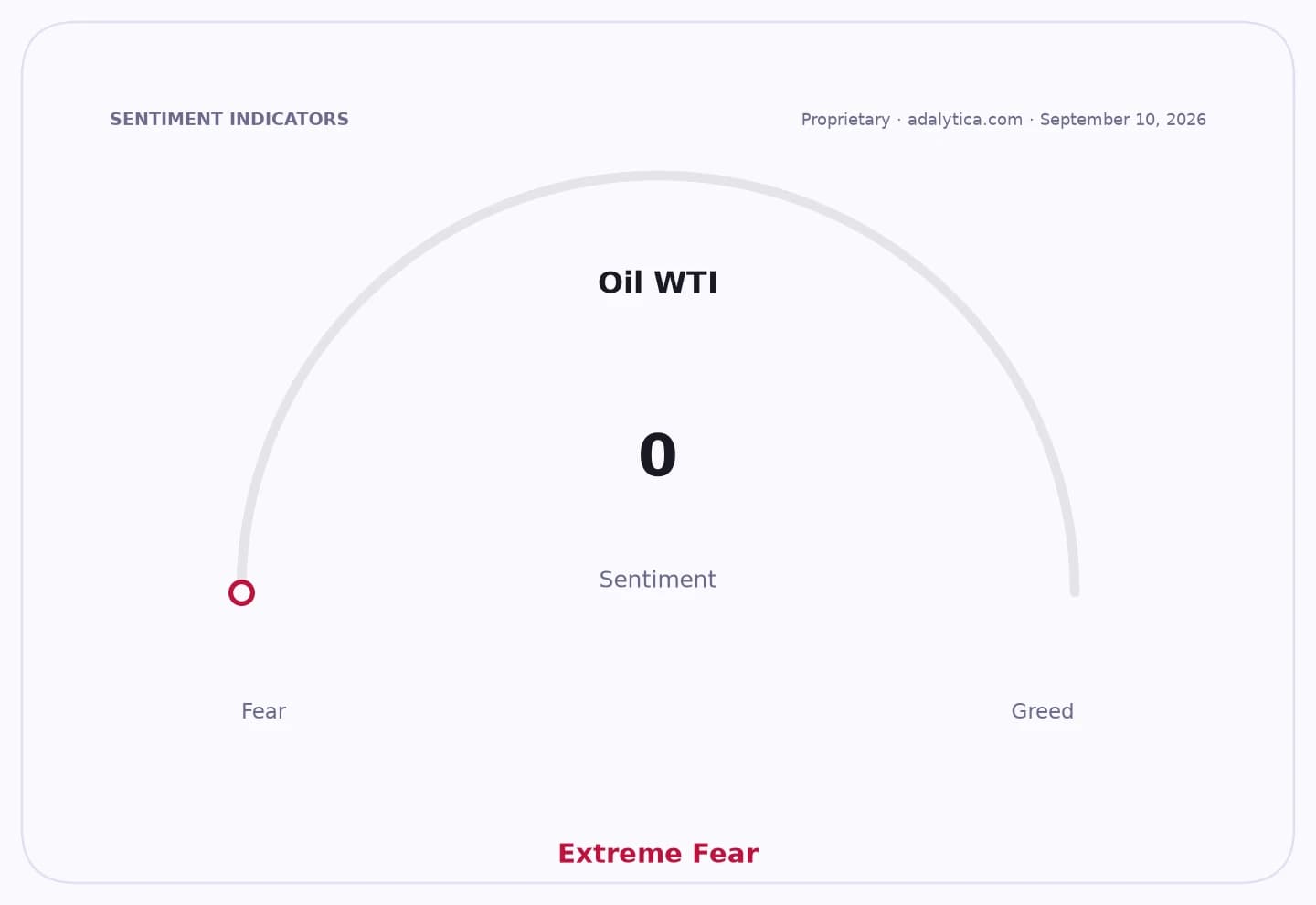
The market backdrop reinforces that tension. Energy-related assets have been bid up as supply risk has intensified, while the latest technical readings on oil-linked exposures show stretched conditions: USO has surged far above its 50-day moving average, with RSI readings in overbought territory, reflecting how quickly the market prices in geopolitical risk. XLE has also moved higher, while DBA has firmed as investors look for spillover effects in food and commodity chains.
The strategic conclusion for Gulf policymakers and investors is the same: in a more volatile geopolitical environment, trade security is becoming a core determinant of growth. The states that can move goods faster across ports, customs systems and borders will be better placed to absorb shocks, protect margins and preserve consumer confidence. The next catalyst will be whether the GCC can turn today’s ad hoc rerouting into a genuinely unified crisis-response network.
| Entity | Gains | Losses |
|---|---|---|
| GCC logistics operators | ▲Higher throughput demand | ▼Disruption costs |
| Gulf consumers | ▲Better supply continuity | ▼Higher import prices |
| Import-heavy firms | ▲More routing options | ▼Margin pressure |
| Energy markets | ▲Risk premium support | ▼Stability-focused shorts |