Gen Z turnover could lift staffing demand
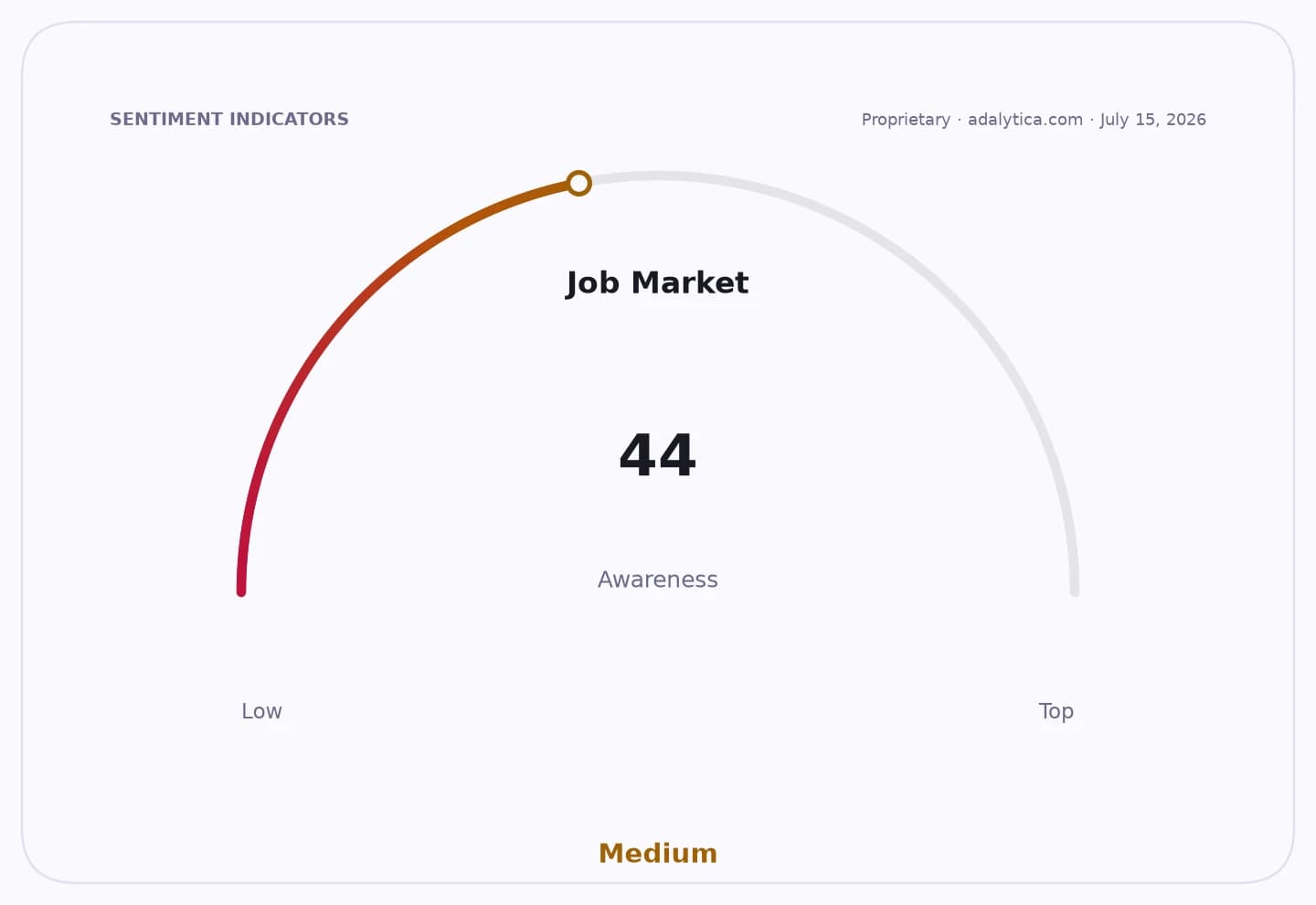
Four in 10 young workers plan to leave their current jobs by year-end, and that matters because Gen Z is no longer treating steady employment as a finish line. For investors, the bigger story is that the labor market is shifting from retention to replacement — a change that can pressure corporate margins, lift recruiting demand and reward staffing firms that help companies keep up.
This is not just a cultural footnote. The labor market is still relatively tight, with the unemployment rate at 4.2% and payrolls continuing to edge higher, but the churn inside that market is rising. Job openings remain elevated by historical standards, and that creates room for workers to shop around for better pay, flexibility and career growth. In plain English: if employers want Gen Z talent, salary alone may not be enough anymore.
That helps explain why recruiters and temp-staffing companies have been navigating a more selective hiring environment. ManpowerGroup has said employers remain deliberate in their workforce strategies, while its latest results showed pressure on higher-margin permanent recruitment. Robert Half has also pointed to weakness in permanent-placement revenues. When younger workers are willing to move more frequently, the labor market becomes more dynamic — but also more expensive for businesses trying to hold onto trained employees.
Investors should think about the ripple effects. Higher turnover can raise training costs, slow productivity and force companies to pay up for talent, especially in sectors that rely on specialized or frontline workers. That can squeeze margins even when the economy is not in recession. On the other hand, staffing firms, payroll processors and recruiting platforms can benefit from more hiring activity, more backfilling and more demand for workforce management services.
The stock market is already hinting at that tug-of-war. The Industrial Select Sector SPDR Fund has recovered sharply, but staffing names have been volatile, reflecting both optimism about hiring demand and concern that clients remain cautious. ADP, a bellwether for payroll and employment services, has also seen its shares surge, suggesting investors see value in companies that sit at the center of labor churn.
The long-term lesson for investors is straightforward: Gen Z’s expectations are likely to reshape the labor market for years, not quarters. Companies that offer real career paths, flexibility and culture may retain talent more effectively than those relying on compensation alone. For investors, that argues for watching staffing, payroll and HR-tech leaders closely — and for remembering that persistent turnover can be a structural cost for employers, not just a passing trend. Worth watching for anyone building a portfolio around the next decade of work.
| Entity | Gains | Losses |
|---|---|---|
| Staffing firms | ▲More hiring and backfilling demand | ▼Pricing pressure if clients resist costs |
| Payroll/HR platforms | ▲Higher churn boosts service use | ▼Slower growth if hiring cools |
| Employers | ▲Access to larger talent pool | ▼Higher retention and training costs |
| Gen Z workers | ▲Better pay and flexibility options | ▼Less job security and stability |