GEO Group, CoreCivic on U.S. immigration spending
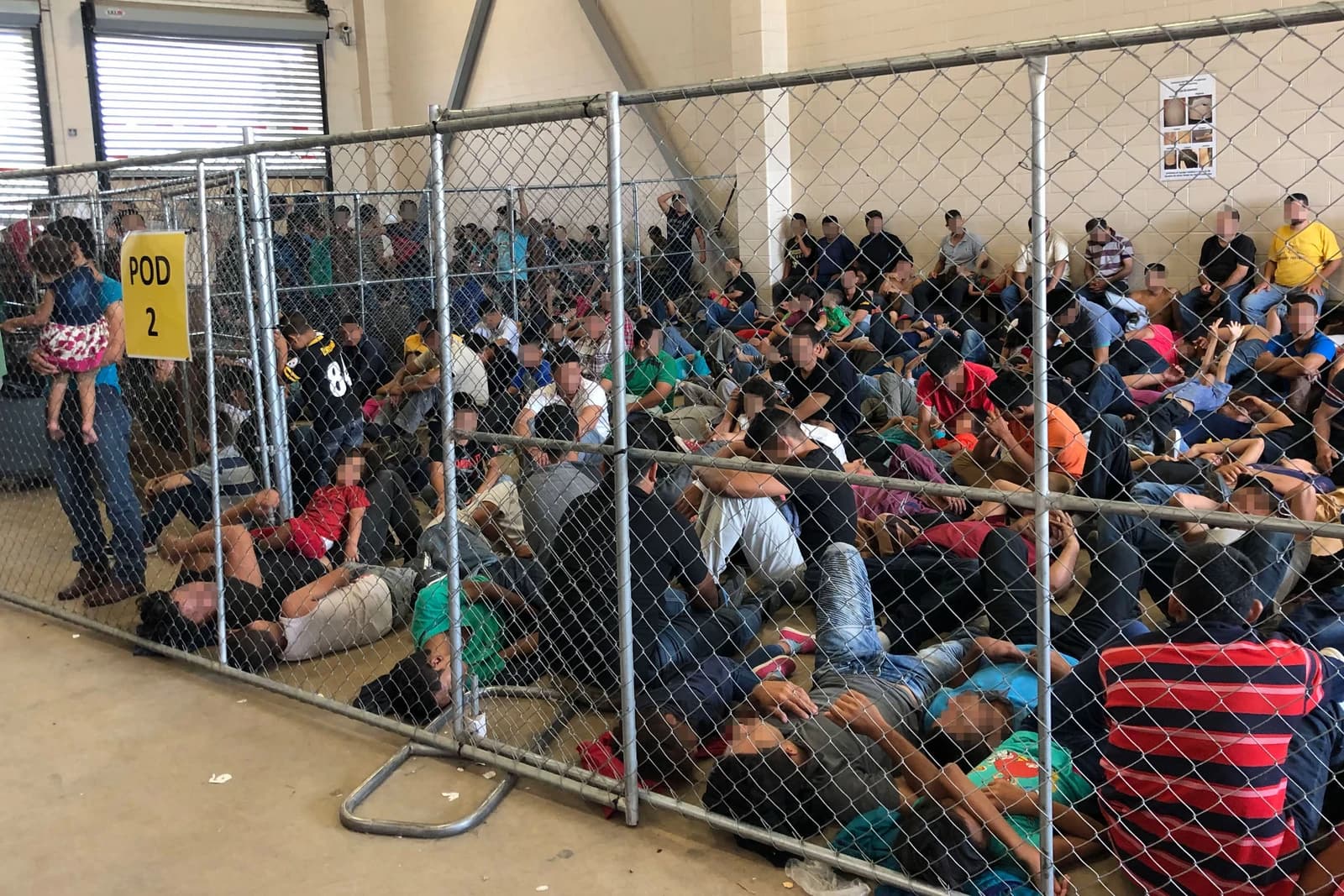
The Trump administration is preparing to double the cash assistance given to refugees to $4,500 per person even as it spends billions to detain and deport Black and brown migrants, a stark split that highlights how immigration policy has become a political tool rather than a neutral response to humanitarian need.
That matters economically because the U.S. is not just shifting who it admits; it is also shifting where federal money flows, which populations are allowed to work, and which communities are forced into precarity. In fiscal 2025-26, nearly all 10,258 refugees admitted through resettlement were white South Africans, with just three Afghans, according to the context provided. At the same time, the administration is cancelling temporary protected status for 350,000 Haitians and exposing 1.3 million TPS holders more broadly to deportation risk, while offering a clearer legal path to green cards and eventual citizenship for the resettled refugees.

For investors, the implication is less about morality than cash flow, policy durability and the winners and losers of enforcement-first government spending. The federal government is expanding outlays on detention, transport and removal while also increasing support for a narrow class of refugees that the White House is willing to embrace politically. That creates a powerful, if ugly, signal: immigration dollars are being redirected away from broad labor-force stabilization and toward enforcement, detention and selective resettlement.
The market has already started to price that split into the obvious beneficiaries. GEO Group and CoreCivic are the direct private-sector proxies for a tougher enforcement regime, and both have told investors in recent filings that changes in ICE utilization and government immigration policy can materially affect their businesses. GEO said it is preparing for what it called an unprecedented opportunity tied to expanded immigration enforcement priorities and has been investing capital to meet demand. CoreCivic has also pointed to discussions with ICE about acquiring additional detention facilities, underscoring how the policy shift can translate into higher utilization and potential asset sales.
The equity tape reflects that rerating. GEO has climbed from $13.47 in mid-February to $30.53 on Sept. 1, while CoreCivic has risen from $17.86 to $32.72 over the same broad span. Both stocks remain volatile, but the larger trend is clear: the market is treating immigration enforcement as a multi-year revenue tailwind, not a one-off headline. Technical readings show each name cooling after a sharp run, with GEO near its 50-day moving average and CoreCivic holding above both its 50-day and 200-day averages, suggesting the sector is consolidating rather than breaking down.
The deeper investment thesis is that Trump’s immigration regime creates two separate capital flows. One is the politically protected stream of refugee resettlement money, which supports contractors and local service providers tied to processing and settlement. The other is the much larger enforcement machine, where detention operators, transport vendors and compliance services benefit from more arrests, longer holds and more federal spending. The administration’s embrace of white South African refugees only sharpens that split by making the policy easier to defend politically while maintaining a hard line against Black and brown migrants with no comparable lobbying power.
Adalytica’s S&P 500 trade signals show extreme fear, which usually favors investors willing to buy misunderstood policy winners before consensus catches up. The broader market is jittery, consumer confidence remains weak, and that makes recession-resistant, government-funded revenue streams even more valuable. In this environment, immigration enforcement is not a social side issue; it is a budget category with public-company implications.
The takeaway is straightforward: the biggest trade here is not the refugee headline itself, but the expanding enforcement state around it. If Washington keeps funneling billions into detention while selectively sweetening aid for politically favored refugees, the best positioned names are the contractors and service providers attached to that machinery. GEO and CXW remain the cleanest listed ways to play it, and any pullback driven by outrage rather than fundamentals may be the next entry point.
| Entity | Gains | Losses |
|---|---|---|
| GEO Group | ▲Higher ICE utilization | ▼Policy reversal risk |
| CoreCivic | ▲Facility demand | ▼Public backlash |
| White South African refugees | ▲More cash aid | ▼None |
| Haitian and TPS migrants | ▲None | ▼Deportation risk |