Georgia ranked sixth on Wanderlust September list

Georgia is getting a fresh marketing boost after Wanderlust magazine named it one of the top 20 places to visit in September, with the country ranking sixth on the British travel title’s list.
That matters because destination rankings from a widely read travel publication can help shape booking interest at the margin, particularly for smaller markets trying to compete with better-known European and long-haul spots. For Georgia, the mention adds another line to its effort to position itself as a year-round tourism destination built on city breaks, mountain travel and coastal leisure.
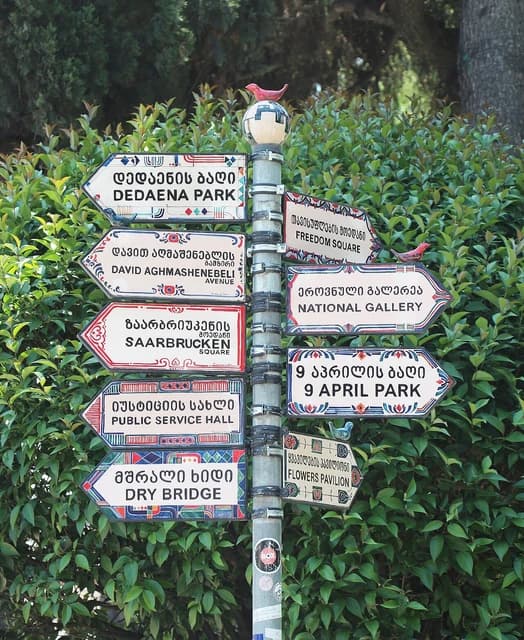
Wanderlust recommended Tbilisi, Mtskheta, Batumi and Kutaisi, and highlighted western Georgia, the Prometheus Cave and the Svaneti mountain region, alongside the country’s cuisine and Black Sea coast. The magazine also pointed readers to Georgia’s official tourism site, reinforcing the country’s push to convert media visibility into visitor traffic.
The timing is favorable for the broader travel industry, which is leaning harder into niche and experience-led demand. At World Travel Market London, industry speakers pointed to wellness, healthcare, food and halal tourism as growth areas, with the Global Healthcare Travel Council saying the medical and wellness travel market could reach $1 trillion by 2030 from about $80 billion in 2022.

For investors, the story is less about immediate market-moving revenue and more about the durability of travel demand in secondary destinations. A stronger tourism profile can support hotel operators, airlines, tour providers and local consumer spending, especially if it translates into longer stays and higher-value itineraries rather than simple day trips.
The backdrop is mixed for travel-linked equities. Travel + Leisure Co. has been trading around $66.36, well below its 50-day moving average of $74.25 and 200-day average of $70.69, while Allegiant Travel has also softened to $75.39 from levels above $100 earlier in the year, with its shares below both the 50-day and 200-day averages. That suggests investors are still treating the sector cautiously even as destination marketing improves.
The next test is whether September publicity turns into actual bookings and whether Georgia can keep building awareness beyond one magazine feature. A broader lift in European and regional travel demand would matter more than any single ranking.
| Entity | Gains | Losses |
|---|---|---|
| Georgia tourism sector | ▲More visibility | ▼Low awareness gap narrows slowly |
| Local hotels, restaurants, tour operators | ▲More potential bookings | ▼Seasonality risk remains |
| Travel publishers and destination marketers | ▲Stronger content relevance | ▼Less exclusive discovery angle |
| Travel + Leisure / Allegiant investors | ▲Potential demand tailwind | ▼Weak share momentum and macro caution |