German wealth managers raise equity exposure
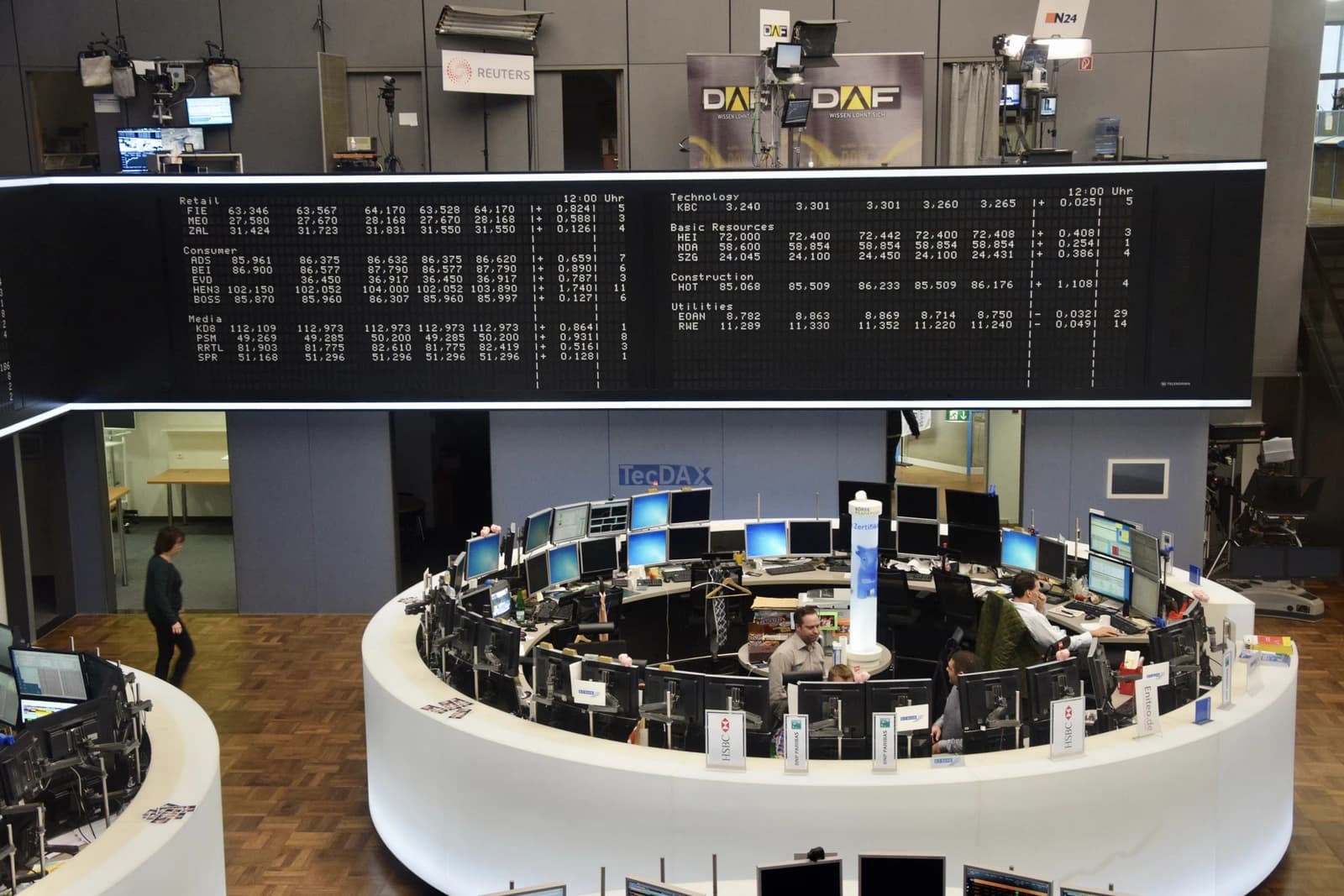
German asset managers have pushed stock allocations to levels last seen at the end of 2021, and that is the part investors should not ignore. An exclusive review of 51,217 portfolios from 190 independent wealth managers shows equities and derivatives made up 59.4% of assets at the end of June, just shy of the 60% peak in the dataset going back to 2020.
That matters because crowded equity exposure leaves less room for error when the market turns. History suggests that when professional allocators lean this hard into stocks, the upside is already well owned and the portfolio cushion for a drawdown is thin. The warning is especially relevant now, with the S&P 500 still near record territory and U.S. volatility and fear gauges flashing sharply lower risk appetite in recent sessions.
The positioning data points to a market that has been rewarded for buying risk and may now be underestimating how quickly sentiment can reverse. German wealth managers are not making a marginal allocation call; they are already heavily committed to equities at a time when central banks are still trying to thread the needle between growth and inflation, long-dated yields remain elevated and geopolitical uncertainty has not gone away. When portfolios are packed with stocks, any disappointment in earnings, policy or rates can force a faster re-rating.
For investors, the implication is not that stocks must fall immediately, but that the risk-reward has shifted. A near-peak equity share means there is less dry powder to chase further gains and more exposure to a broad unwind if markets wobble. That can pressure not only the portfolios themselves, but also the managers who have benefited from the rally in U.S. megacaps, European cyclicals and global risk assets.
The more investable takeaway is that this is a moment to favor resilience over beta. If asset allocators are already maxed out on stocks, the next leg of performance is more likely to come from companies tied to cash flows, pricing power and secular infrastructure spending than from broad index exposure. In our view, that argues for looking past crowded equity ownership and toward the beneficiaries of any rotation: quality compounders, defense, grid, energy and AI infrastructure names that can keep earning even if risk appetite cools.
The market is not being told to abandon equities, but to respect how extended positioning can compress future returns. When stock exposure is this elevated, the next catalyst matters more than the last rally.
| Entity | Gains | Losses |
|---|---|---|
| German wealth managers | ▲Recent equity gains | ▼More downside risk |
| Stock sellers / de-riskers | ▲Better exit liquidity | ▼Miss further upside |
| Defensive, cash-generative stocks | ▲Rotation inflows | ▼Less speculative inflow |
| Broad equity benchmarks | ▲Still supported by momentum | ▼Vulnerable to a unwind |