Germany AfD Poll Leads Saxony-Anhalt Vote Risk
Germany’s far-right Alternative for Germany is turning a state election into a broader battle over national identity, and its decision to target Bauhaus has sharpened the stakes for investors, policymakers and the country’s political center.
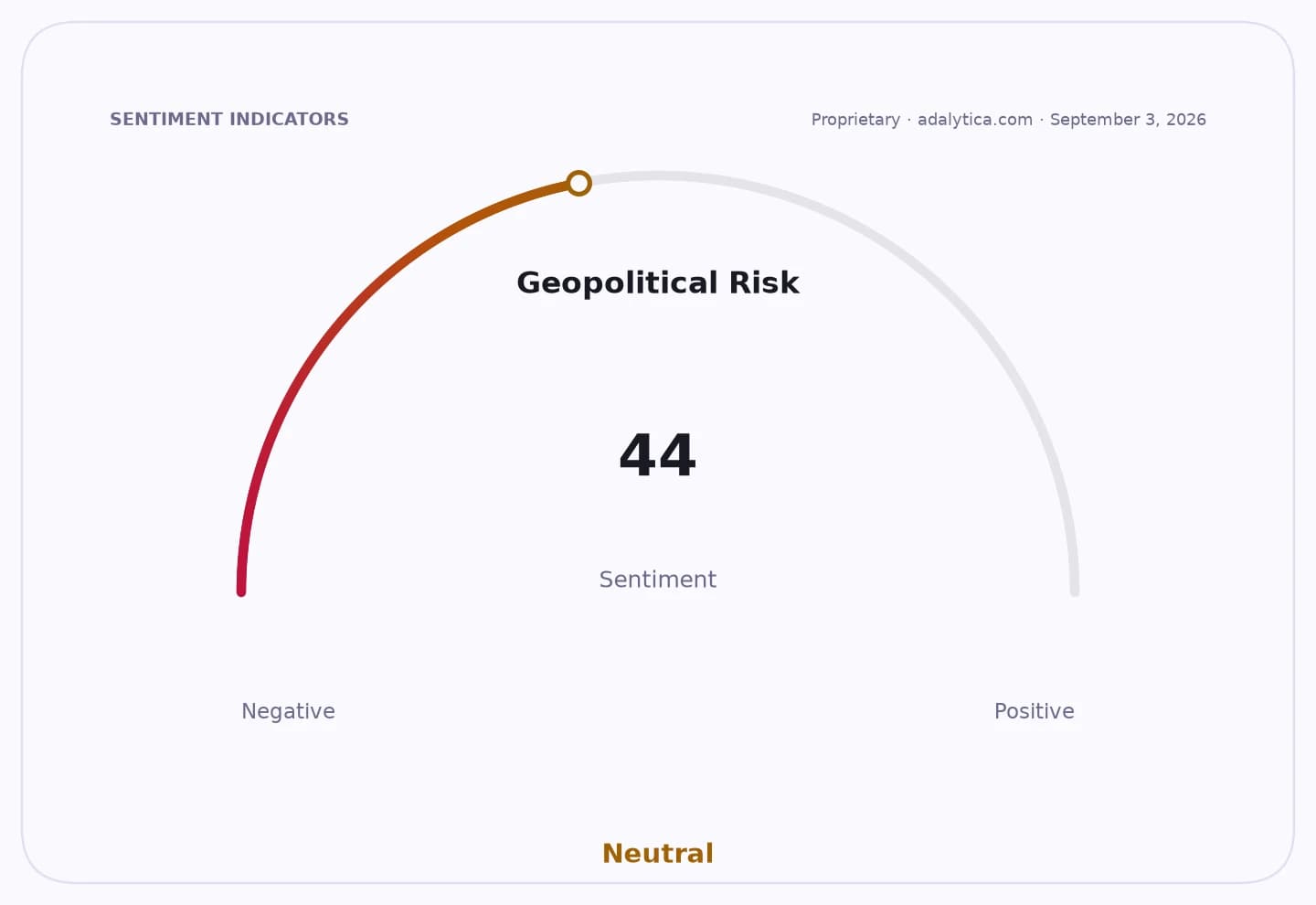
The controversy matters because Saxony-Anhalt is no longer just another regional vote: the AfD is polling above 40% in the state, according to the context provided, and could produce the first AfD-led government in the eastern state if the party converts that support into seats. That would be a symbolic breakthrough for a party long kept out of power by mainstream rivals and would deepen questions about how resilient Germany’s postwar political consensus remains in parts of the former east.
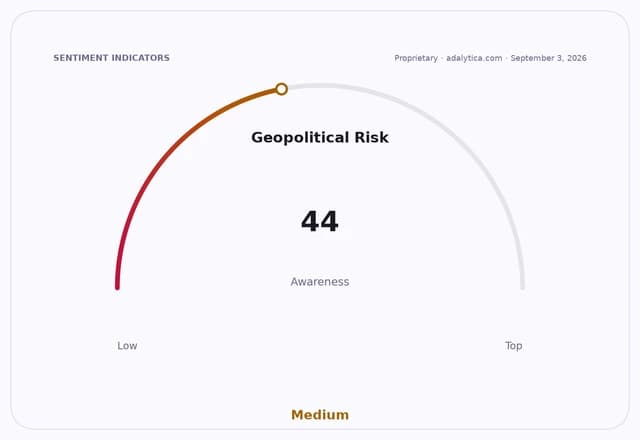
The immediate flashpoint is cultural, but the economic implications are wider. By attacking Bauhaus — the modernist school and design movement founded in 1919 and later shut by the Nazis — the AfD is signaling a politics that treats heritage, education and historical memory as electoral battlegrounds. That can influence how regional governments fund museums, universities, tourism and heritage preservation, and it raises the risk of policy friction with federal institutions, cultural bodies and foreign investors that value Germany’s stability and rule-based governance.
For markets, the significance is less about direct exposure to a single state vote than about what it says on the margin about Germany’s governing environment. The country is already dealing with slower growth, policy uncertainty and a fragmented political landscape. A stronger AfD presence increases the odds of more disruptive coalition politics, tougher debates over migration and public spending, and a louder challenge to centrist economic policymaking. That matters for domestic demand, labor supply, municipal investment and sentiment toward assets tied to Germany’s industrial core.
The political response underscores how sensitive the issue has become. CDU leader Friedrich Merz has warned that an AfD victory would damage Saxony-Anhalt, while the SPD is weighing legal action to ban the party, arguing it threatens democratic order. The backlash suggests mainstream parties still view the AfD less as a normal competitor than as a force that could alter the boundaries of acceptable politics. Yet that stance can also feed the AfD’s victim narrative, which has helped it gain ground in eastern Germany.
For investors, the near-term market reaction is likely to remain contained, but the broader read-through is more important. Regional politics in Germany can affect everything from infrastructure execution to the tone of national reform debates, and the latest polling shows the far right has become a durable part of that equation. Technical signals in the Germany-focused EWG ETF point to a modestly firmer tone, with the fund trading above both its 50-day and 200-day moving averages around $43.81, but those levels do little to offset the larger political risk premium building in the background.
The election in Saxony-Anhalt will be watched as a test of whether the AfD can translate cultural grievance into formal power. If it does, Germany’s political center may be forced to confront not just a stronger protest vote, but a new era in which identity politics increasingly shape the investment climate.
| Entity | Gains | Losses |
|---|---|---|
| AfD | ▲stronger legitimacy | ▼mainstream isolation |
| CDU/SPD centrists | ▲democratic firewall narrative | ▼voter share in the east |
| Bauhaus heritage sector | ▲attention and defense | ▼political weaponization |
| Germany-focused investors | ▲policy visibility | ▼higher political risk premium |