Germany child investment accounts from 2027
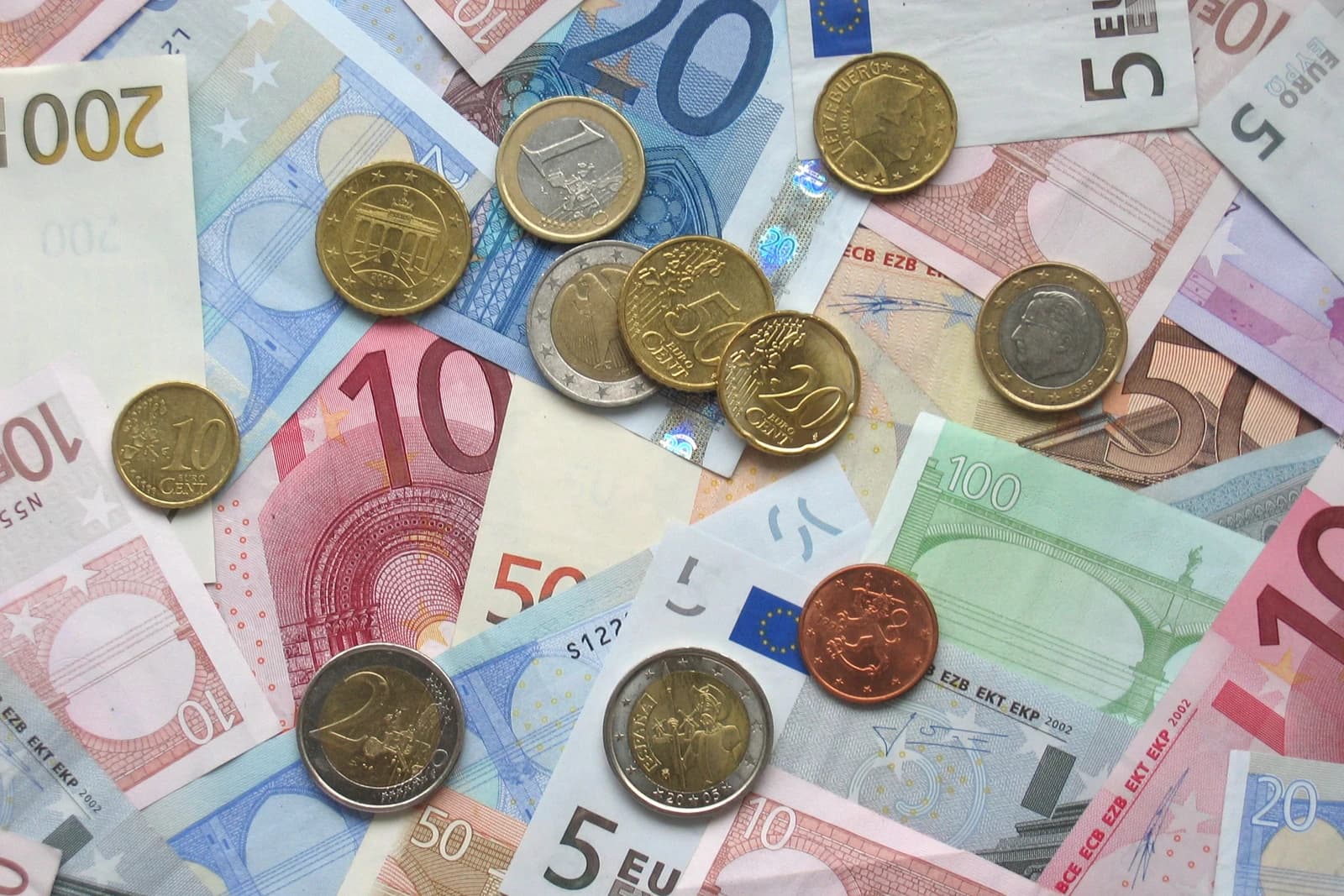
Germany’s planned investment account for every child from 2027 could do more than hand families a new savings tool — it could quietly create a generation of long-term investors and a steady new flow of money into European markets.
That matters because the proposal turns a social policy into a capital-markets story. Under the plan, the state would seed an account for each child and let the money compound over time, potentially reaching as much as 77,000 euros depending on contributions and investment returns. For households, it is a simple way to build wealth over years. For policymakers, it is a way to encourage private provision for retirement and cushion pressure on the public purse.

For investors, the appeal is obvious. Regular, tax-advantaged savings plans tend to favor broad index funds, low-cost asset managers and exchange-traded funds over stock-picking churn. If Germany follows through, the beneficiaries could include providers of diversified European equity products such as the Vanguard FTSE Europe ETF, VGK, and the iShares Europe ETF, IEV, both of which already sit near their 50-day moving averages in a market that has been choppy but resilient. In other words, this is the sort of policy that rewards patient, diversified investing rather than speculation.
The wider economic logic is straightforward. Germany and much of Europe face aging populations, higher pension costs and pressure on public budgets. Encouraging families to invest earlier is one way to shift more wealth creation into private hands without relying entirely on the state. That also helps explain why the debate is happening alongside other budget-tightening efforts, including cuts to housing benefits and reforms to pensions and taxes.
This is not a catalyst that will move markets overnight, but it could matter a great deal over a decade or more. If the program is implemented at scale, it could deepen household participation in capital markets, support recurring inflows into equity and balanced funds, and strengthen the case for low-cost long-term portfolios. For investors, the takeaway is simple: policies that make saving automatic often prove more powerful than flashy one-time incentives. This one is worth watching, especially for anyone building wealth over the next 5 to 10 years.
| Entity | Gains | Losses |
|---|---|---|
| German families | ▲Long-term wealth building | ▼Less immediate cash flow |
| ETF providers | ▲New recurring inflows | ▼Niche active managers |
| German budget planners | ▲Private retirement support | ▼Near-term fiscal flexibility |
| Broad equity markets | ▲Steadier savings demand | ▼Cash-only savers |