Germany closes Russian consulate in Bonn
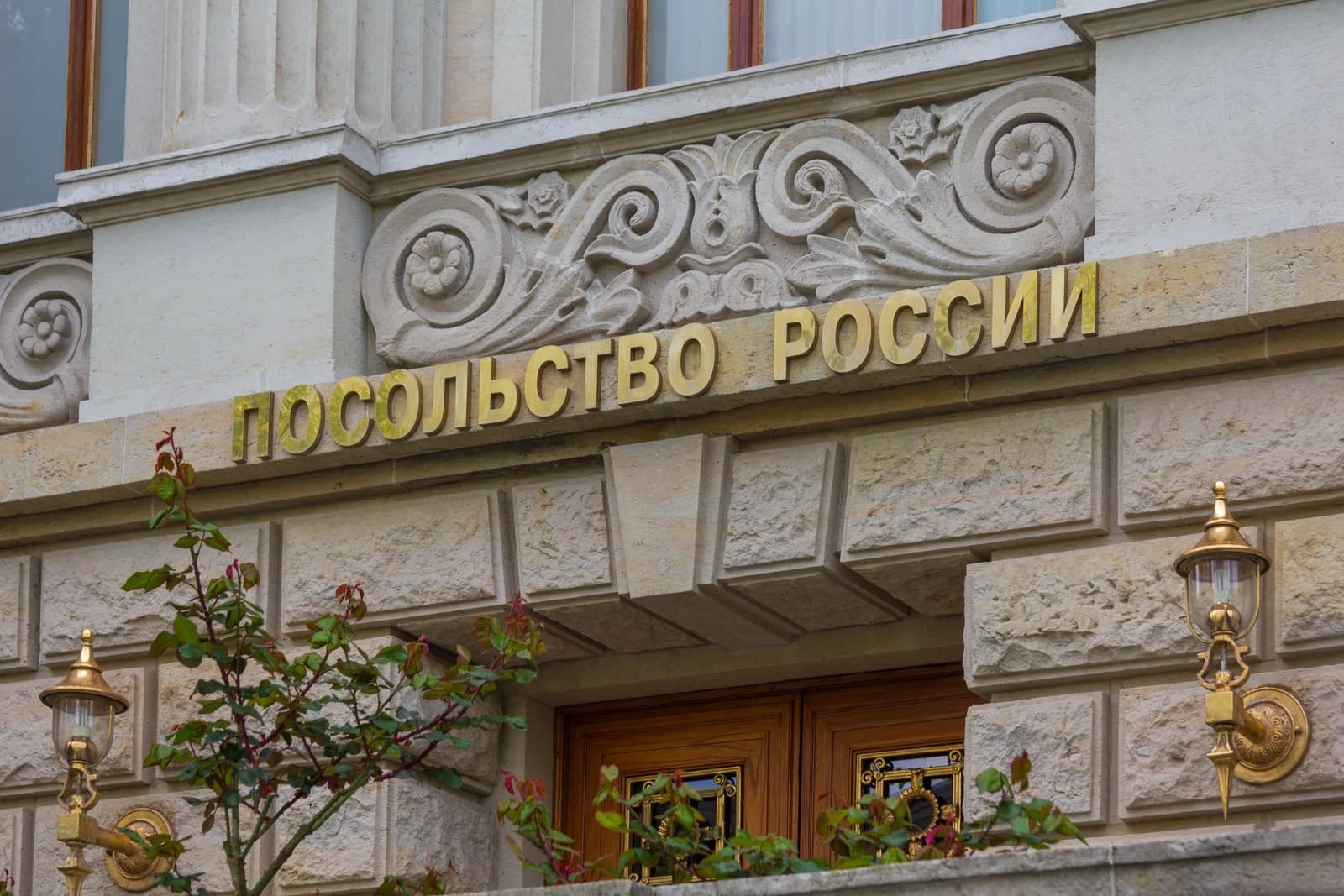
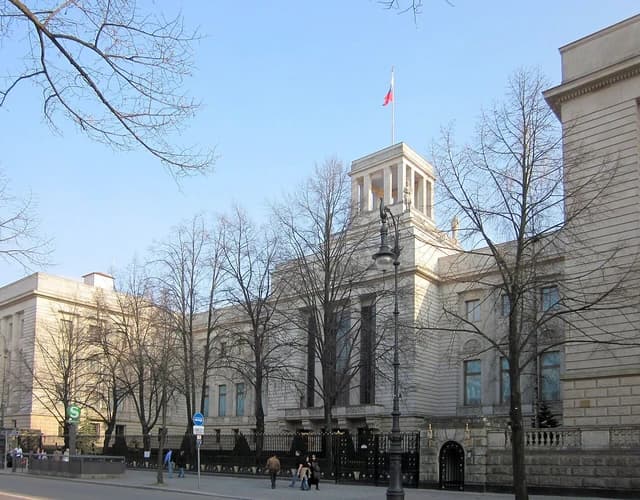
Germany is closing Russia’s consulate general in Bonn from Sept. 18, a sharper diplomatic break that raises the cost of the latest escalation between Berlin and Moscow and risks a fresh round of tit-for-tat retaliation.
The move matters beyond protocol because consulates are one of the last working channels in a relationship already battered by Russia’s war in Ukraine, sanctions and a widening security confrontation across Europe. By shutting the Bonn mission and moving to cancel the agreement covering the Russian House in Berlin, Germany is signaling that the dispute has crossed from rhetoric into institutional rollback.
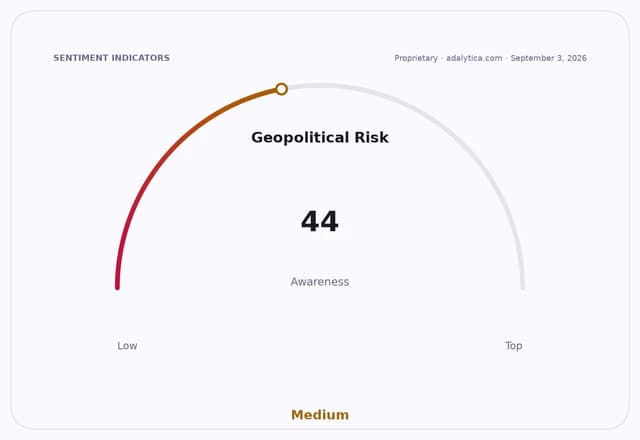
The decision comes after Germany accused Russia of organizing a drone attack tied to an explosive incident at Leipzig Airport on Aug. 4, which Berlin and NATO allies are treating as a hybrid operation. Moscow has denied the allegation, called it a provocation and warned of countermeasures. That sequence points to a worsening cycle in which diplomatic ties become another arena of pressure, not a buffer against it.
The economic impact is indirect but real. Each escalation adds to the premium investors assign to European security risk, especially for assets exposed to German industry, the broader euro area and energy-sensitive supply chains. It also reinforces the view that Europe’s political fragmentation and defense spending will remain elevated, even as markets continue to price in slowing growth and uneven industrial activity.
For investors, the immediate issue is not trade disruption from the Bonn closure itself, but the broader implication that Europe-Russia relations are becoming less manageable and more prone to surprises. That tends to support safe-haven flows in periods of acute tension, while keeping pressure on cyclicals tied to regional confidence and capital expenditure. It also leaves open the possibility of reciprocal Russian moves, including closure of Germany’s consulate in St. Petersburg or restrictions on German cultural institutions, which would deepen the diplomatic freeze.
The main narrative is straightforward: Berlin is responding to what it sees as a security breach with a concrete institutional cut, and Moscow is likely to answer in kind. If that happens, the episode will be less about one consulate in Bonn than about another step in Europe’s long-term decoupling from Russia — a process that continues to reshape political risk across the continent.
| Entity | Gains | Losses |
|---|---|---|
| Germany | ▲Signals resolve | ▼Loses diplomatic access |
| Russia | ▲Retaliation leverage | ▼Consular presence in Germany |
| EU/NATO security hawks | ▲Stronger deterrence posture | ▼Higher escalation risk |
| European investors | ▲Safe-haven bids | ▼Greater geopolitical uncertainty |