Germany Corn Drought Pressures European Grain Supplies
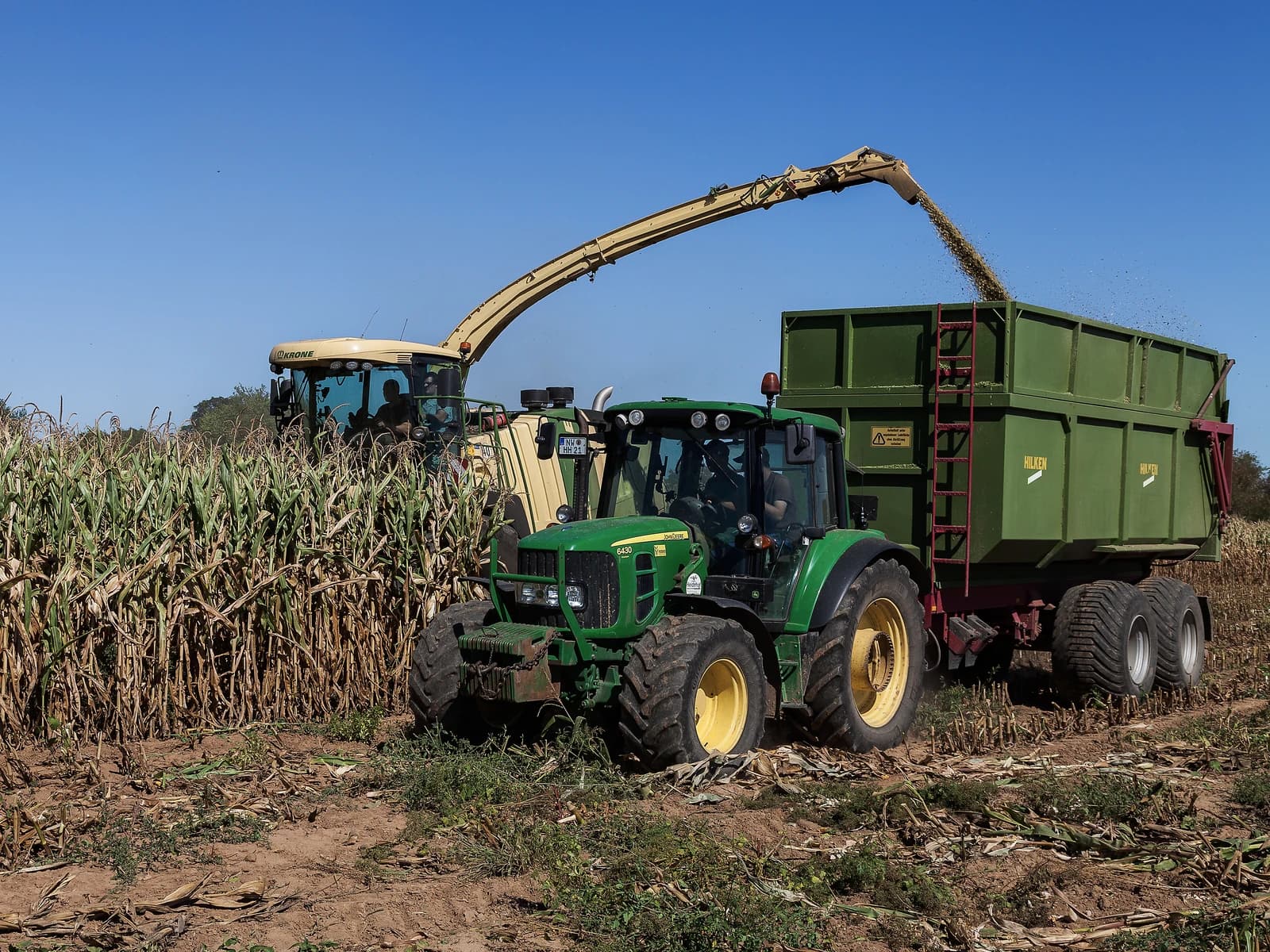
A Mexican staple is pushing deeper into Germany’s corn fields just as Europe’s drought-prone growing season raises the odds of smaller harvests, tighter supplies and more volatile grain prices.
That matters because corn is one of the world’s most important feed, food and fuel crops. When weather stress hits production in Europe, buyers do not just lose a local supply source — they are forced to lean harder on imports, which can lift costs for food makers, livestock producers and ethanol plants. For investors, that makes the corn market less of a sleepy agricultural trade and more of a real-time read on inflation, farm incomes and commodity-linked equities.
The latest price action in the CORN exchange-traded product reflects that tension. The fund closed at $18.42 on Aug. 18, edging up from $17.91 on Aug. 13 and sitting near the top of its recent range. It is also above both its 50-day and 200-day moving averages, while the RSI reading in the low 60s and a positive MACD suggest momentum has stabilized after a sharp spring selloff.
Still, the bigger story is fundamental, not technical. European farmers are facing a difficult stretch, with industry groups warning that prolonged drought has damaged crops including wheat, corn and potatoes. In Germany, where growers are experimenting with more heat-tolerant and drought-resistant varieties, that means the market is gradually rewarding adaptation over tradition. If fields can produce reliable yields in hotter, drier conditions, the winners are farmers who can keep output steady and seed and ag-input companies that supply those traits.
The losers are just as clear. Import-dependent food companies, livestock operators and consumers pay the price when domestic harvests disappoint. Corn shortages or even the threat of them can ripple through animal feed costs, meat margins and processed-food pricing. In that sense, a tougher German corn season is not just a farming story — it is an inflation story.
For investors, the lesson is that climate resilience is becoming a valuation driver across agriculture. Seed innovators, farm equipment makers and diversified agribusiness names stand to benefit if more growers adopt varieties and practices built for stress. Commodity holders can also find opportunity in supply shocks, but the trade is usually choppy and weather-driven, not a clean long-term compounder.
The smart long-term move is to focus on the businesses helping farms produce more with less water, not to chase every weather headline. That makes the German corn adaptation theme worth watching for investors with a multi-year horizon.
| Entity | Gains | Losses |
|---|---|---|
| Drought-resistant seed makers | ▲More demand for resilient varieties | ▼Traditional seed mixes |
| German corn growers adapting | ▲Better odds of stable yields | ▼Farmers stuck with vulnerable crops |
| Import-dependent food makers | ▲— | ▼Higher input costs |
| CORN ETF holders | ▲Inflation hedge potential | ▼If grain prices fade |