Germany Defense Procurement Plan by 2026
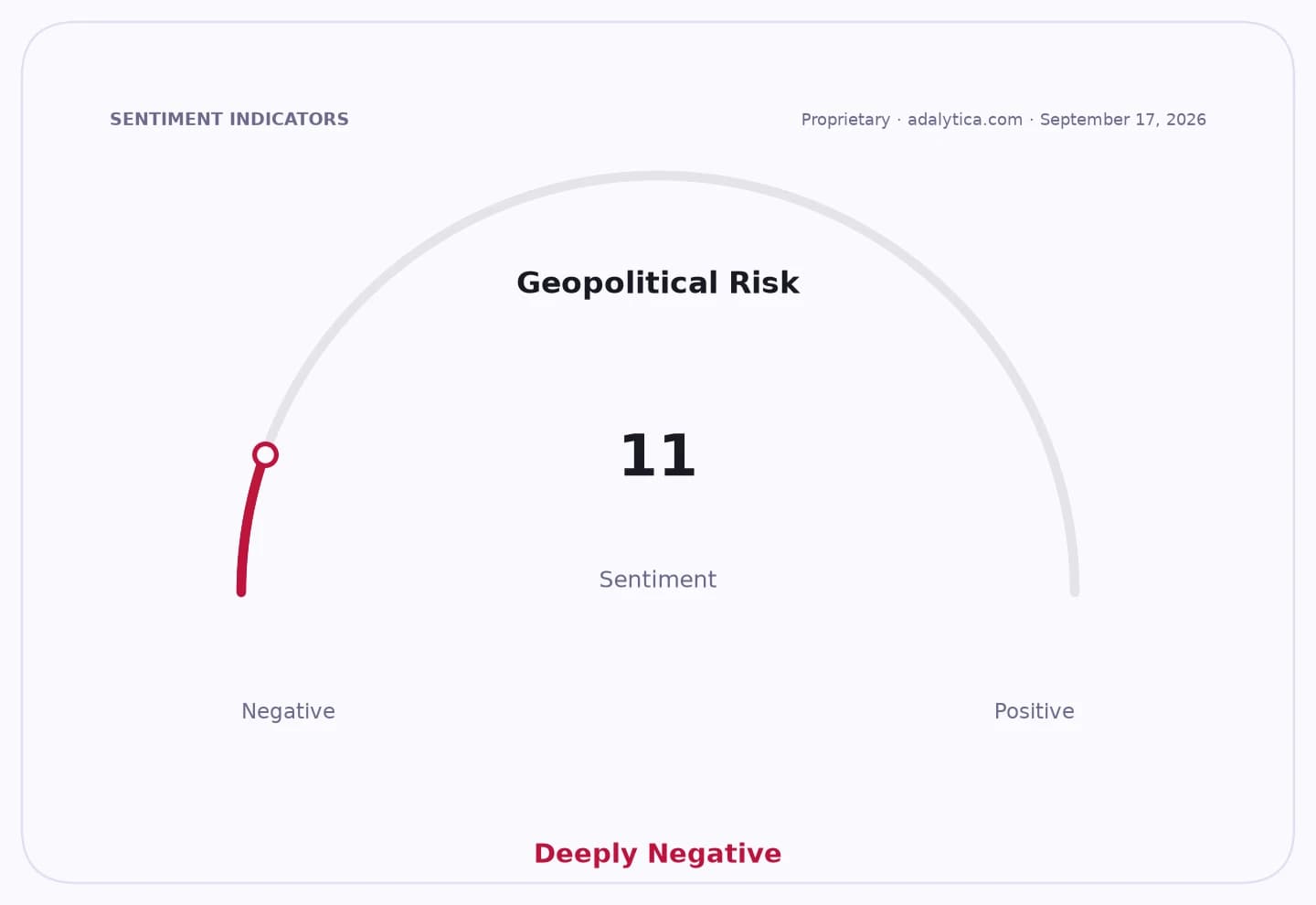
Germany’s move toward an $83 billion defense procurement binge by the end of 2026 is the most consequential shift in European security since the end of the Cold War, because it risks turning the continent’s largest economy into its dominant military power as well.
The scale of the buildup is what alarms geopolitical analysts. Berlin is no longer talking about simply filling gaps exposed by Russia’s invasion of Ukraine in 2022; it is moving toward a more permanent reconstitution of hard power, with spending above NATO’s 2% target and a procurement plan that stretches across air, land and sea. A leaked blueprint cited by Politico shows only 6.8 billion euros, or about 8%, earmarked for U.S. systems, underscoring that Germany is trying to rebuild an industrial and strategic base that is increasingly its own.
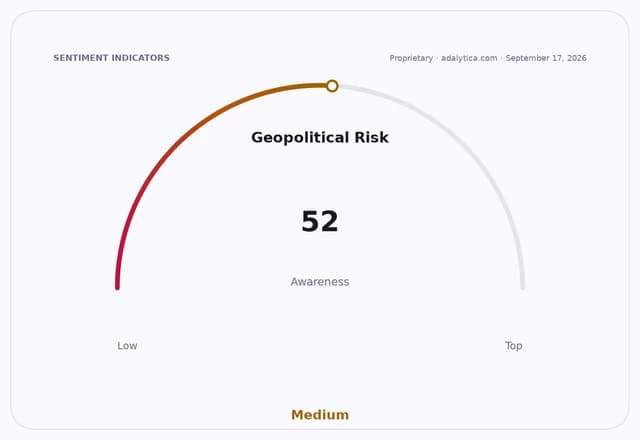
That matters economically because defense spending on this scale will redirect capital, jobs and manufacturing capacity across Europe. The largest line item in the plan is a 26 billion-euro frigate program for TKMS, while another 4 billion euros would go to new Eurofighter Tranche 5 jets and 1.9 billion euros to radar upgrades. There is also 2.3 billion euros for modernizing Taurus missiles, plus major spending on IRIS-T air defenses, ship-launched missiles, submarines, torpedoes and upgrades to existing F-123 frigates. In effect, Germany is using public balance-sheet strength to build a more integrated military-industrial ecosystem, even as it leans on some non-European purchases such as F-35 fighters.
For investors, the opportunity is obvious: Europe’s defense cycle looks longer and structurally larger than the market expected two years ago. German, Italian and British defense names should continue to benefit from multi-year visibility, and suppliers tied to naval, missile-defense and electronic-warfare programs may see the strongest order flow. But the split between European and U.S. procurement also creates winners and losers within the sector. Germany’s preference for American F-35s over the Franco-German FCAS program is a political blow to Paris and a reminder that the rearmament push is not purely about European strategic autonomy.
The deeper concern is political rather than industrial. Postwar Europe was built on an implicit bargain: Germany would dominate economically while France provided much of the military and diplomatic counterweight. That balance is now fraying. Poland and the Baltic states want stronger German protection against Russia, yet they remain wary of a Germany that could one day exercise military leverage alongside its economic weight. The fear is not a return to 20th-century invasion, but a Europe in which Berlin’s ability to shape outcomes is no longer constrained by fiscal power alone.
That tension is likely to intensify as Germany’s domestic politics become more volatile. The rise of the AfD raises the question of who controls a much more formidable Bundeswehr a decade from now, and whether future governments will keep the new military posture firmly embedded in EU and NATO structures. For now, the rearmament is being sold as a necessary response to U.S. uncertainty and Russia’s threat. The market and the region must now price a harder question: whether Germany is rebuilding Europe’s shield or the foundations of a new hierarchy inside it.
| Entity | Gains | Losses |
|---|---|---|
| German defense contractors | ▲Bigger orders, longer backlog | ▼Execution and supply-chain pressure |
| European defense suppliers | ▲More procurement spending | ▼Intra-EU rivalry, political friction |
| U.S. defense firms | ▲Some F-35 sales | ▼Lower share of German spending |
| France / FCAS program | ▲Strategic urgency | ▼Industrial and political setback |