Germany Defense Spending and Ukraine Support
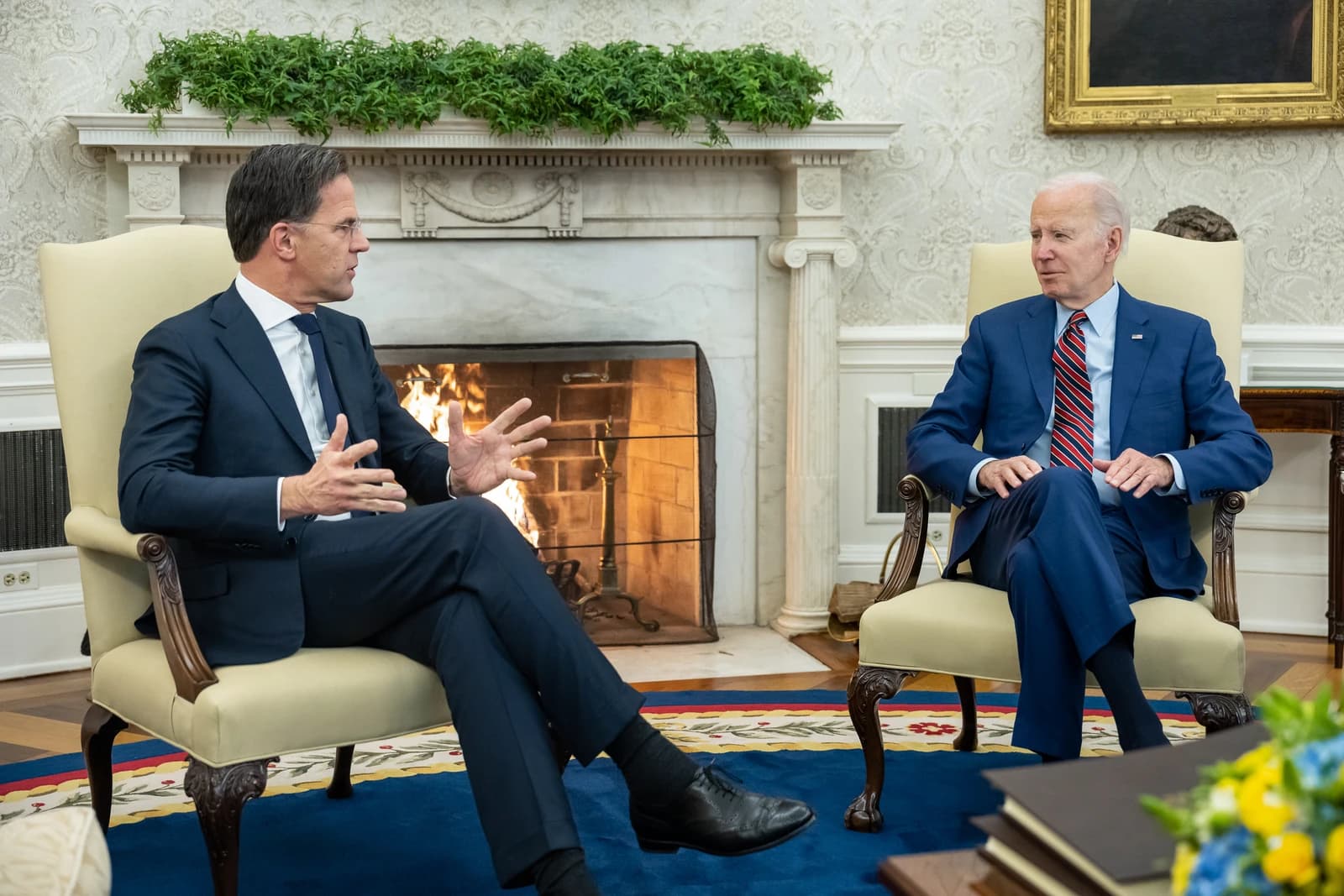
NATO Secretary-General Mark Rutte has pressed Germany to keep defense spending elevated and stay the course on support for Ukraine, a signal that Europe’s biggest economy is being asked to absorb higher military outlays even as domestic politics turns less hospitable to them.
The message matters well beyond Berlin. Germany remains central to NATO’s ability to finance rearmament, sustain weapons production and keep aid flowing to Kyiv at a time when U.S. politics and Europe’s fiscal constraints make continuity less certain. Rutte’s warning that “sticking to the chosen course” is usually the best decision came as the far-right Alternative for Germany strengthened its position in regional politics, underscoring the electoral pressure on mainstream parties to defend security spending that is no longer guaranteed to command broad public support.
For investors, the immediate implication is that Europe’s defense buildout is becoming more politically contested, not less. That raises the stakes for firms exposed to German and broader European procurement, from contractors and ammunition makers to industrial groups being pulled into the defense supply chain. It also reinforces the view that elevated military spending is no longer a temporary response to the war in Ukraine but part of a structural shift in European budgets.
Rutte’s framing linked military readiness with economic strength, arguing that governments must keep reforming and spending public money efficiently, including on defense. That is an important distinction for bond markets and equity investors alike: higher defense spending may support industrial activity, but it also competes with welfare, infrastructure and other budget priorities. In Germany, where fiscal discipline remains politically sensitive, the issue is not just how much is spent but whether lawmakers can sustain the commitment through another election cycle.
The backdrop is a war that NATO says Russia is not prepared to end, with Rutte saying Moscow is still inflicting heavy losses and trying to divide the alliance and weaken support for Kyiv. That keeps European defense procurement in focus even if battlefield headlines fade. It also helps explain why governments are being pushed to accelerate weapons production and faster procurement, a message echoed by Germany’s foreign minister, Johann Wadephul, who said Europe must boost investment and speed up rearmament.
The market read-through is mixed. Defense shares have already rerated sharply on expectations of a prolonged rearmament cycle, but the policy case for sustained demand remains intact so long as NATO governments continue to treat Russia as a long-term threat. On the other hand, any signs of budget fatigue, coalition friction or a weakening consensus on Ukraine could pressure the sector’s valuation premium and delay contract awards.
Rheinmetall, Airbus and Lockheed Martin are among the names most exposed to that spending cycle, though the beneficiaries are broader than pure defense primes. Suppliers of electronics, munitions, vehicle systems and logistics services stand to gain if Europe’s procurement pipeline keeps expanding. The losers are more likely to be fiscal hawks, peace advocates and investors betting that the post-2022 spending surge will fade quickly.
For now, the central narrative is clear: Germany’s defense and Ukraine policy is becoming a test of whether Europe can turn a wartime consensus into a durable budget priority. The answer will shape not only NATO’s military posture, but also the earnings trajectory of a defense industry that has come to depend on political resolve as much as order books.
| Entity | Gains | Losses |
|---|---|---|
| German defense contractors | ▲Bigger procurement pipeline | ▼Policy delays |
| NATO / Ukraine supporters | ▲Sustained military backing | ▼Alliance fatigue |
| Rheinmetall, Airbus, Lockheed Martin | ▲Higher demand visibility | ▼Election-driven spending rollback |
| Fiscal conservatives / AfD critics | ▲— | ▼Higher defense budgets |