Germany drought threatens wheat, rapeseed and potato crops
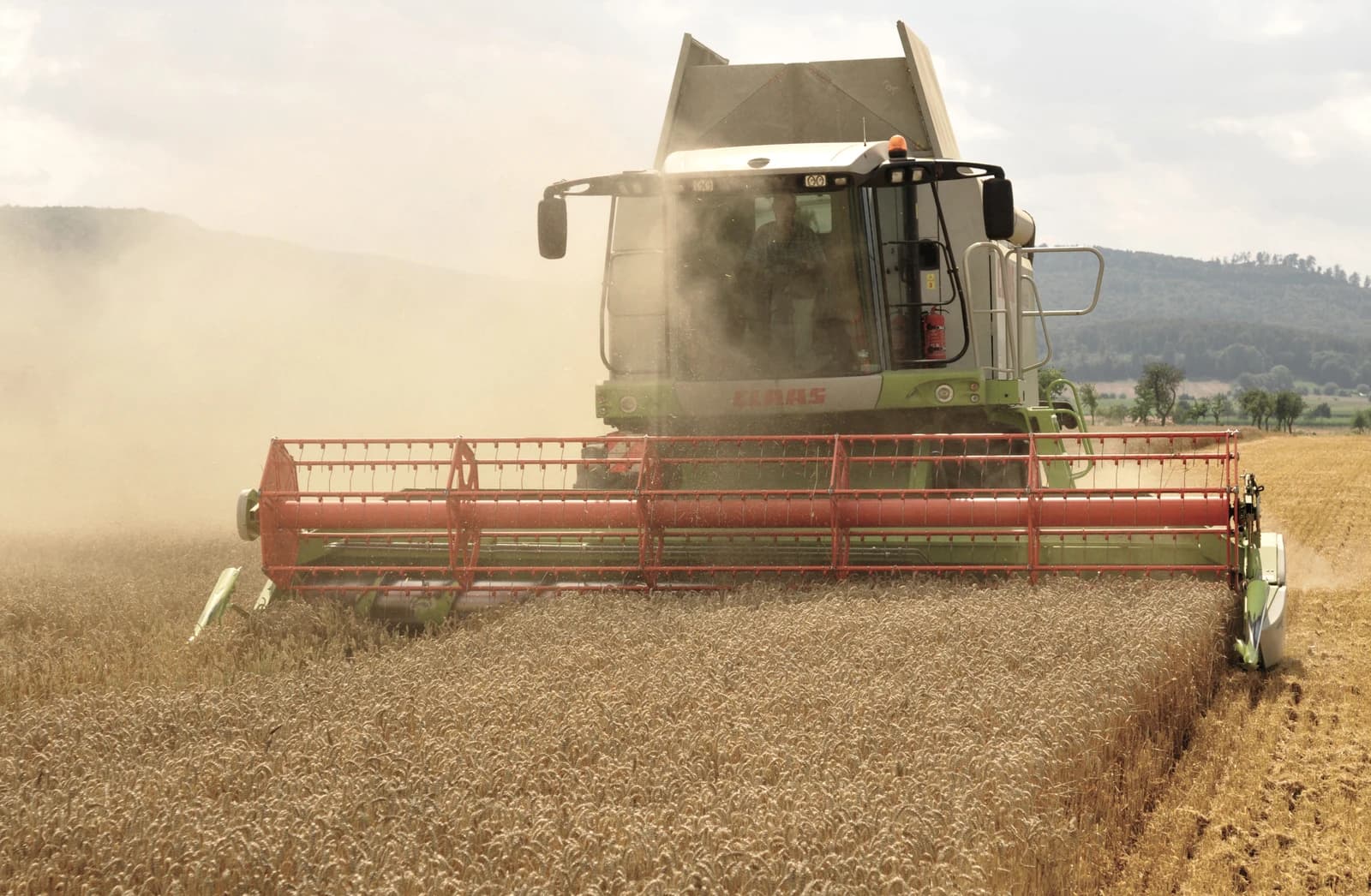
German farmers are warning that weeks of drought and heat are pushing wheat, rapeseed and potato fields toward severe crop losses, a weather shock that could tighten European food supplies and add fresh pressure to already elevated grocery costs.
That matters because Germany is not just any farm economy: it is one of Europe’s largest grain producers and a key source of feed, oilseeds and starch crops that flow into food, livestock and biofuel supply chains. When losses run from 50% to 100% in affected areas, as farmer groups say they could, the shock ripples far beyond individual farms. It hits processors, feed makers, food manufacturers and ultimately consumers already dealing with higher prices.
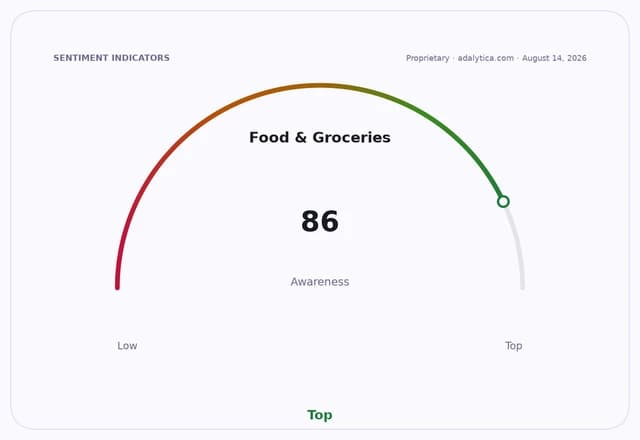
The macro backdrop is not helping. U.S. producer prices have been running hot again, with the latest industrial price index at 284.057 in July and a forecast rebound to 289.769 in August, while consumer prices are still near 332.8. Germany’s drought adds another food-inflation risk at a time when central banks have little room to celebrate disinflation. For policymakers, persistent weather damage is another reminder that climate volatility is becoming a structural cost to the food system, not a one-off event.
Investors are already seeing the strain in agricultural markets. The WEAT grain fund has climbed to about $24.32 from $20.60 a year ago and briefly touched $26.00 in July, while the broader DBA agricultural ETF has held firm around $27.62. Corn has also been volatile, with prices swinging as weather, acreage shifts and feed demand collide. The technical picture shows the grain trade is no longer in a clean downtrend: WEAT remains above its 200-day moving average, while corn is hovering near that longer-term trend. That is what a supply shock looks like before the market fully prices it in.
The bigger opportunity is not only in grains themselves. If German and wider European harvests deteriorate further, the strongest second-order beneficiaries are the toll-collectors of agriculture: traders, seed and crop-protection companies, storage providers and diversified agribusinesses with scale. The weakest are processors, livestock producers and consumers forced to absorb higher input costs. The market often underestimates how quickly a regional drought becomes a pricing event across an entire food chain.
For investors, the thesis is straightforward: treat European crop stress as an inflation catalyst with tradable spillovers. Grain exposure can work as a tactical hedge, but the longer-term winners are the companies that sell into agricultural scarcity, not the farmers caught in it. If the drought persists into harvest, this story can move from headline risk to margin and pricing power very quickly.
| Entity | Gains | Losses |
|---|---|---|
| Grain traders | ▲Higher volatility, wider spreads | ▼Crop shortfalls for origination |
| Agricultural funds (WEAT, DBA) | ▲Upward price momentum | ▼Sharp reversals if rains return |
| Food processors & livestock producers | ▲None | ▼Higher feed and input costs |
| German farmers | ▲None | ▼Harvest losses, possible total crop failure |