Germany’s Federal Employment Agency said a technical malfunction is disrupting parts of its online services, including unemployment registration, creating a temporary bottleneck in one of the country’s most important labor-market gateways.
Germany Employment Agency Online Services Disrupted
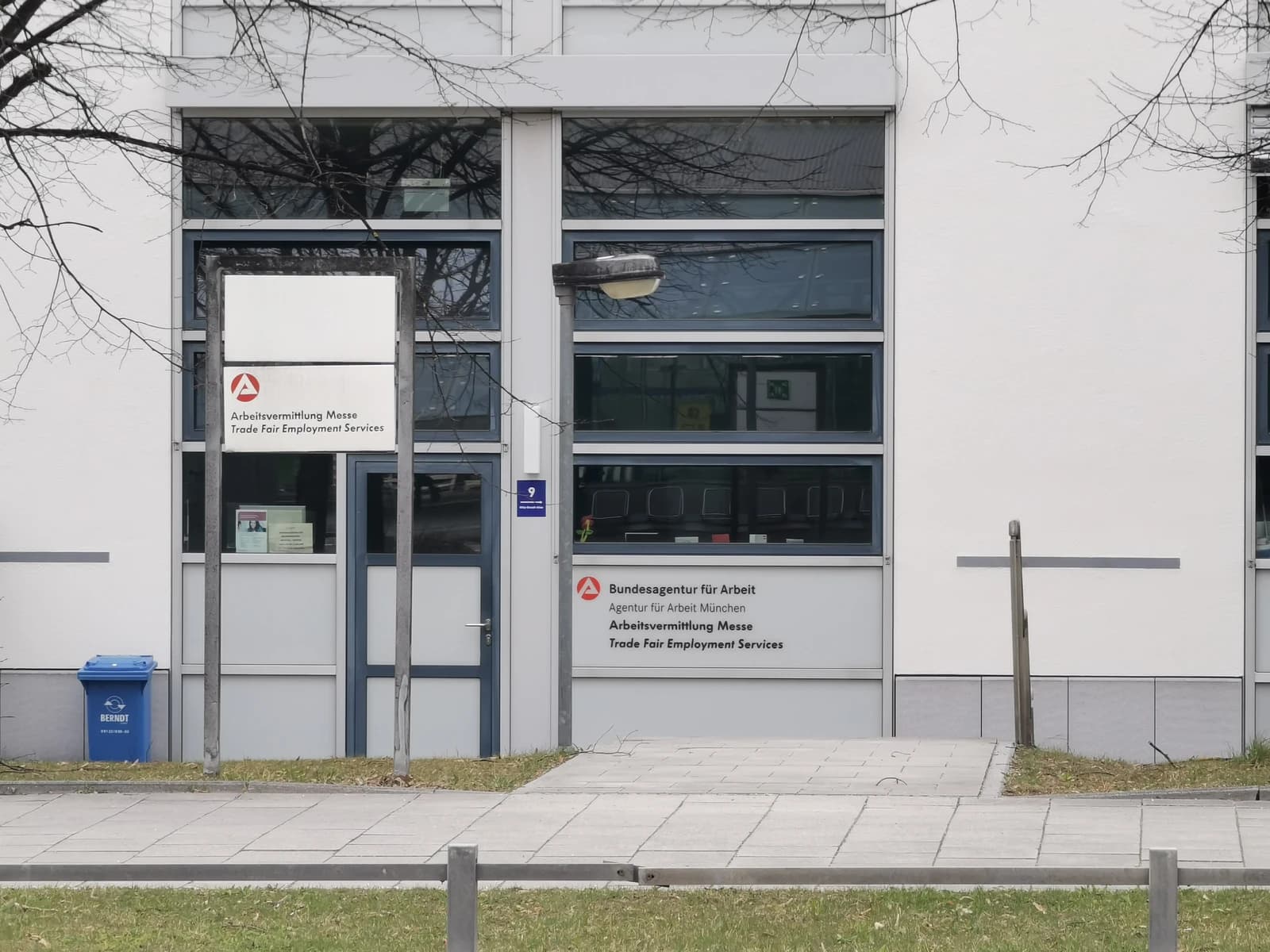
The interruption matters because the agency is not just a public portal but a key transmission channel for jobseekers, employers and the state. When online filing fails, the immediate economic impact is mostly operational rather than cyclical: claims, registrations and related administrative processes can be delayed, pushing paperwork back and potentially slowing access to benefits and labor-market matching. For a system that handles high-volume transactions tied to employment status, even a short outage can have outsized effects on households that depend on timely processing and on agencies trying to keep labor data current.
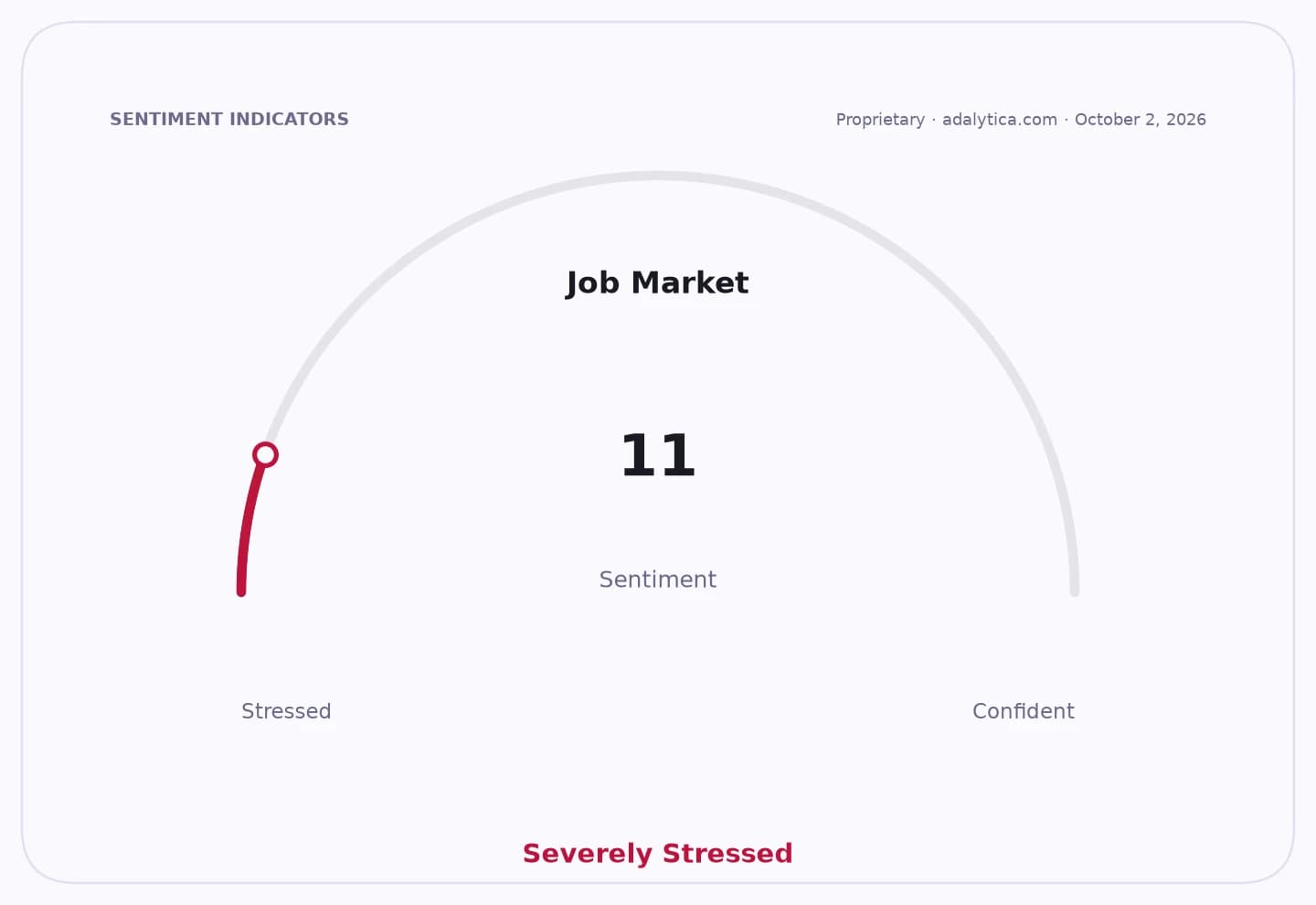
Sentiment IndicatorsⓘProprietary · adalytica.com · October 2, 2026
This is a snapshot — live sentiment, awareness and momentum for 130+ markets update continuously in the dashboard.Open AlphaPulse
The agency said it was working “with high pressure” to analyze the fault and that the cause appeared at first to be an internal technical problem, though external interference could not be ruled out. That leaves open the possibility of a broader cybersecurity or infrastructure issue, but officials said that was not the priority in the initial investigation. In practice, the distinction matters less to affected users than to policymakers and investors watching the resilience of public digital infrastructure in Europe’s largest economy.
The timing also intersects with a broader labor-market debate in Germany and beyond, where governments are under pressure to balance worker protection with flexibility and employers are increasingly reliant on digital systems to manage hiring, compliance and benefits. A disruption at the Federal Employment Agency does not in itself change the labor outlook, but it is a reminder that administrative capacity can become an economic constraint when unemployment claims, registrations and job-placement services depend on stable platforms.
For investors, the event is chiefly relevant as a signal of operational resilience risk in public-sector systems that sit close to labor-market functioning. Any extended outage could complicate the flow of official employment data, cloud short-term readings on joblessness and add friction for companies and workers navigating an already delicate labor environment. The immediate focus will be whether the agency restores services quickly; if not, attention will turn to whether the incident exposes wider weaknesses in Germany’s digital government infrastructure.
| Entity | Gains | Losses |
|---|---|---|
| Jobseekers | ▲Fewer digital frictions if fixed quickly | ▼Delayed unemployment registration |
| Federal Employment Agency | ▲Chance to identify system weaknesses | ▼Credibility and service continuity |
| Employers | ▲Little direct gain, but clearer administration if resolved | ▼Slower labor-market processing |
| Government / policymakers | ▲Case for stronger IT resilience | ▼Pressure over public digital infrastructure |