Germany backs EU pact against gold-plating
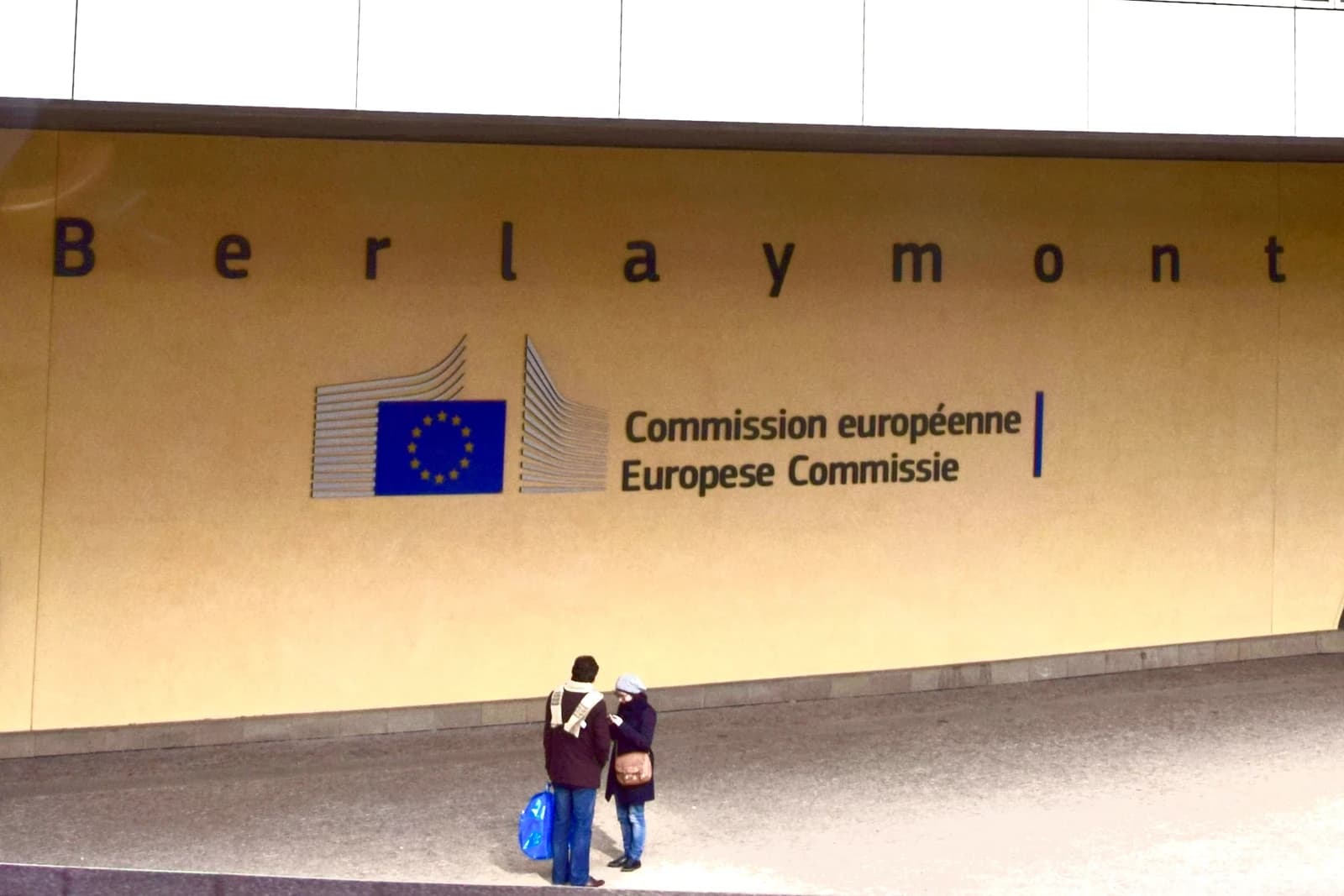
Germany is backing European Commission President Ursula von der Leyen’s push for a pact against “gold-plating,” a move that could ease compliance costs for companies by curbing the practice of member states writing stricter national rules than required by EU law.
The support from Berlin matters because gold-plating has long been one of the main ways EU regulation becomes more expensive and more uneven across the bloc. For investors, any effort to narrow the gap between EU directives and local implementation points to a more predictable operating environment for banks, industrials, tech firms and cross-border investors already facing rising legal and administrative burdens.
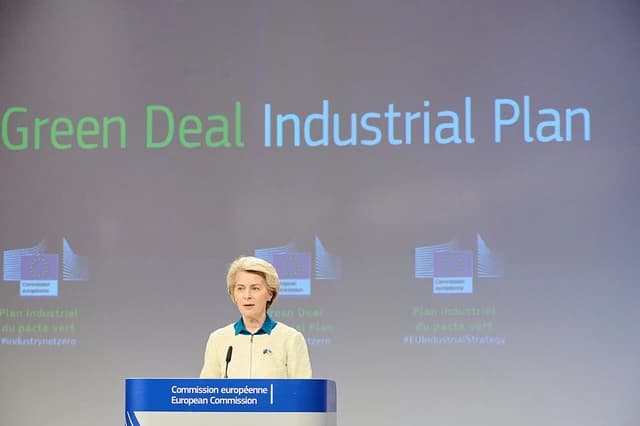
Government spokesman Stefan Kornelius said Berlin supports the initiative in principle, adding that Germany is often seeing exactly the tendency von der Leyen wants to address. His comments align Germany with the commission chief, who used her State of the Union speech to call for a “pact against gold-plating” as part of a wider campaign to reduce bureaucracy.
Gold-plating refers to national lawmakers going beyond the minimum requirements of an EU directive when turning it into domestic law. Companies often argue that the practice fragments the single market, raises compliance costs and slows investment decisions, especially for firms operating across multiple EU jurisdictions.
The proposal comes as the EU tries to defend its competitiveness against heavier regulation, slower growth and pressure from the US on trade and tariffs. It also lands at a time when investors are watching whether Brussels can simplify rules on migration, artificial intelligence and broader corporate compliance without triggering political pushback from member states.
Exchange-traded funds tracking German and euro-area equities were little changed in recent sessions, but the broader technical setup remains fragile, with EWG and FEZ both trading below their 50-day moving averages and RSI readings in weak territory, suggesting markets have not yet priced in a decisive policy boost. The next test is whether the commission can turn the political slogan into binding changes that reduce regulatory overlap without diluting EU standards.
| Entity | Gains | Losses |
|---|---|---|
| EU companies | ▲Lower compliance costs | ▼Less local rule-padding |
| Germany | ▲Stronger single market credibility | ▼Fewer national policy exceptions |
| EU Commission | ▲Reform momentum | ▼Member-state resistance |
| Investors in EWG/FEZ | ▲Better policy visibility | ▼Slow implementation risk |