Germany Politics and EWG Market Outlook
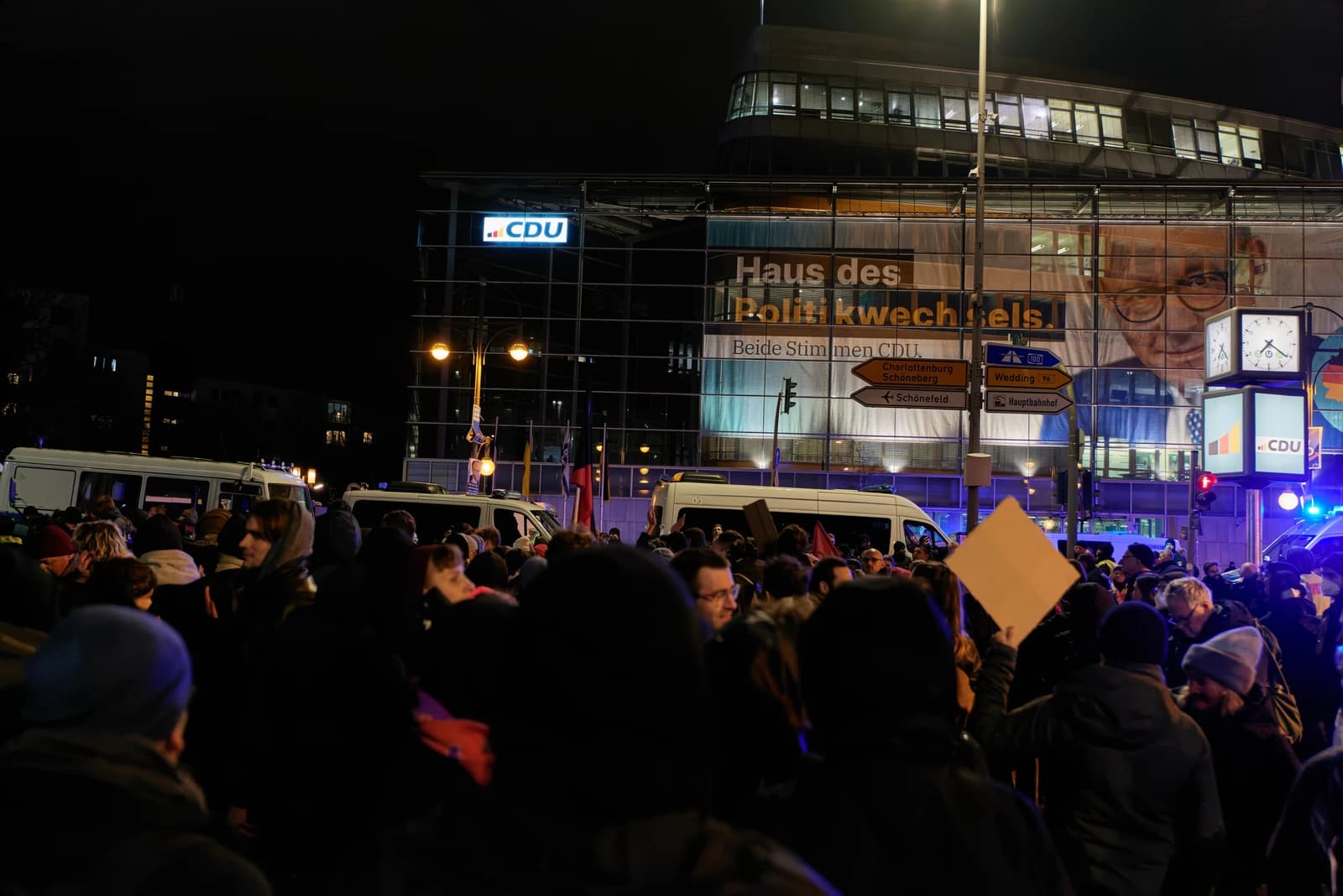
Germany’s hardening equation of antisemitism with anti-Zionism is doing more than choking off pro-Palestinian speech — it is helping the far right recast itself as pro-Jewish while it wins political ground and normalizes exclusionary politics.
That matters because when a country’s moral memory becomes a political weapon, it can distort elections, public debate and even the way voters judge extremism. In Germany, the result is a strange and dangerous inversion: the Alternative for Germany can present itself as a defender of Israel while the same political ecosystem keeps driving hostility toward Muslims, immigrants and anyone questioning Berlin’s stance on Gaza.
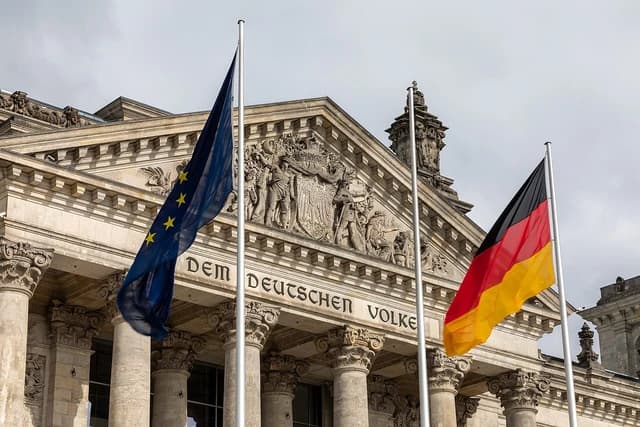
The immediate backdrop is electoral. The AfD just secured its strongest result since World War Two in Saxony-Anhalt, underscoring how far-right politics have moved from the margins into the center of German public life. That comes even as the far right remains by far the largest source of antisemitic hate crimes in the country, accounting for 84% of perpetrators with political motives. The contradiction is the point. By treating criticism of Israel as morally suspect and often as antisemitic, mainstream institutions have given far-right actors room to cloak their own prejudice in philosemitic language.
This is not just rhetoric. Germany has built a system of anti-BDS resolutions, antisemitism commissioners and informal blacklists that has helped police universities, cultural venues and public events. People and organizations linked to the Palestinian cause have been disinvited, canceled or stigmatized, while some Jewish groups that oppose Israeli policy have been treated as suspicious. The message to the public is clear: loyalty to Israel is folded into German identity, while dissent is pushed outside the bounds of acceptable politics.
For investors, the relevance is broader than Germany’s domestic culture war. Germany is Europe’s largest economy and a core political anchor for the EU. A country that channels social anger into identity politics rather than economic adjustment tends to produce more volatility, less policy flexibility and a harder operating climate for businesses exposed to regulation, labor migration and consumer backlash. The politics also feed Europe’s wider polarization, which can affect everything from coalition stability to trade policy and defense spending.
That helps explain why the story matters well beyond Berlin. Polling suggests the public is nowhere near as unified as its institutions imply: nearly 80% of German voters said Israel’s actions in Gaza were unjustified, and 62% described them as genocide. Yet only 10% fully backed the idea that Israel’s security should be Germany’s reason of state. When elites insist on one moral line and voters pull sharply in another direction, the gap becomes a fuel source for populists.
The market read-through is less immediate but still real. Germany’s flagship equity exposure, the iShares MSCI Germany ETF, or EWG, has been choppy, with the fund trading around $41.87 in the latest data after repeatedly slipping below its 50-day moving average. The broader picture is one of caution rather than collapse: EWG’s price is still above its 200-day moving average, but the recent weakness and subdued RSI readings point to nervous sentiment rather than conviction. Deutsche Bank shares have been even more volatile, falling to about $35.97 in the latest session after a strong run earlier in the year, reflecting how quickly political and macro unease can feed into bank and industrial sentiment.
The bigger lesson for long-term investors is that Germany’s identity politics are now part of its investment climate. A state that frames opposition to Israel as a moral stain while giving the far right room to redefine itself is a state that risks deeper social fragmentation and more erratic policymaking. That does not make Germany uninvestable; it does make selectivity matter more than ever.
For patient investors, the takeaway is to keep Germany on the watchlist, not to chase headlines. The country still has deep industrial strengths, world-class exporters and a large, diversified market represented by broad funds like EWG. But politics is increasingly shaping the backdrop in ways that can pressure valuations, sentiment and policy stability. In a world where compounding rewards patience, this is a reminder that the strongest long-term returns usually come from economies that can argue without losing their institutional balance.
| Entity | Gains | Losses |
|---|---|---|
| AfD | ▲electoral legitimacy | ▼mainstream rivals |
| German hard-right politics | ▲visibility, cover | ▼minority communities |
| Pro-Israel German institutions | ▲moral authority narrative | ▼public trust |
| Broad Germany investors | ▲long-term entry points | ▼short-term volatility |