Germany Inflation Rises Again, ECB Easing Caution
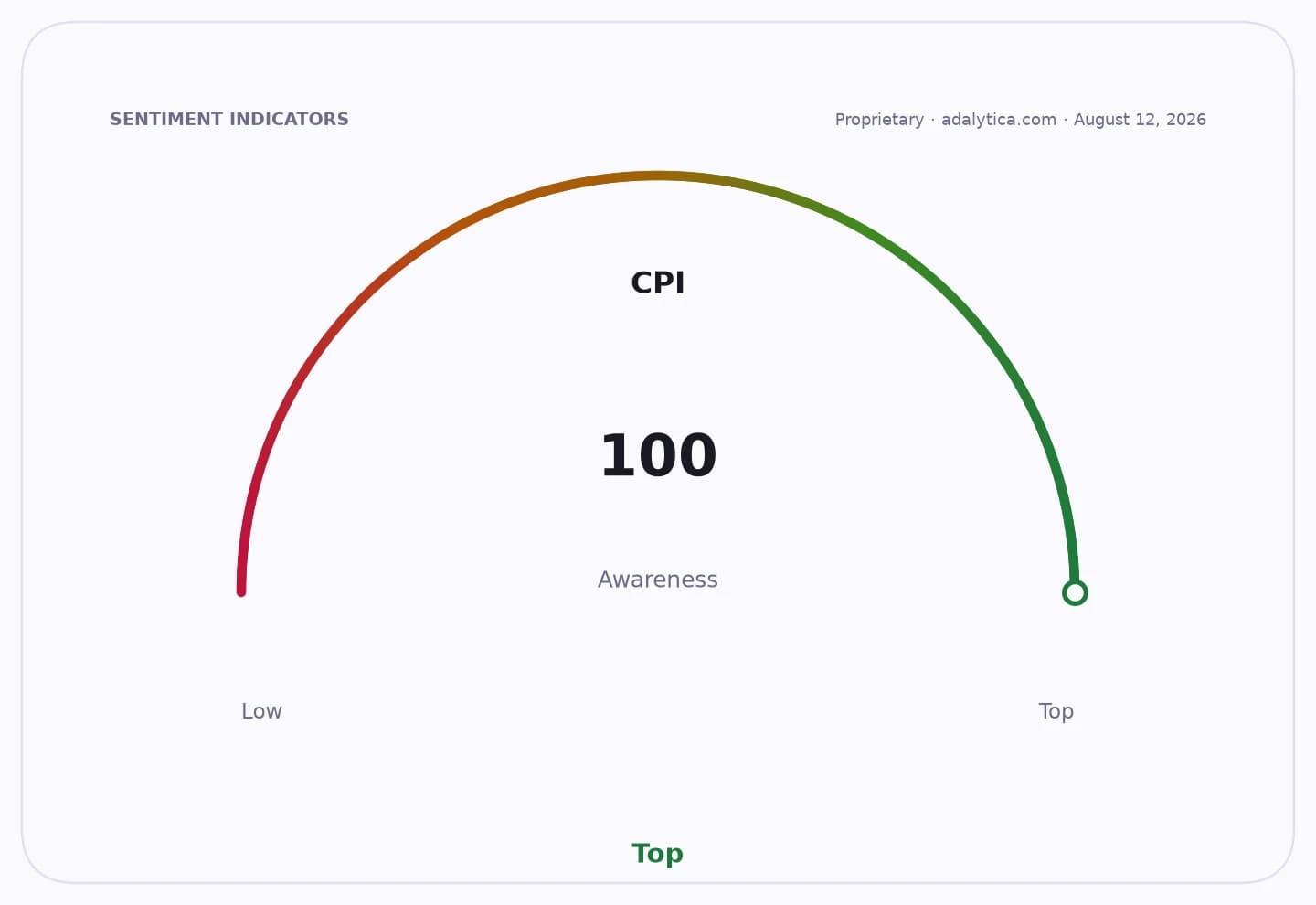
Germany’s inflation rate is picking up again in July, keeping pressure on the euro zone’s biggest economy and strengthening the case for the European Central Bank to stay cautious on any further easing.
The move matters because Germany remains the region’s price-setter and a key test for whether the euro area’s disinflation trend is losing steam. Even with gasoline and food costs easing on the month, the underlying inflation backdrop is still sticky, with core prices rising 4.19% over the first seven months of the year compared with a year earlier.
That mix is awkward for policymakers. A softer monthly CPI reading can mask the broader picture if services and other core categories keep running hot, and that is exactly the problem now: headline price gains are accelerating even as some energy and grocery pressures cool. For the ECB, that reduces room to pivot quickly toward lower rates and raises the risk that inflation stays above target longer than markets had hoped.
Investors are watching because German inflation feeds directly into expectations for ECB policy, bond yields and the euro. Sticky inflation tends to keep front-end yields elevated, supports the euro against lower-yielding peers and can weigh on rate-sensitive sectors such as housing, utilities and small-cap cyclicals.
The market backdrop reflects that tension. The euro has been firm, with FXE trading near 106.52 and its 50-day moving average, while the German equity ETF EWG has rallied to 43.99, above both its 50-day and 200-day moving averages. But EWG’s relative strength index is at 78.8, a level that often suggests the rally has become extended just as inflation risk re-enters the frame.
Adalytica’s confidence gauge on the Fed’s 2% inflation target also shows “Extreme Greed,” underscoring how quickly markets are repricing policy complacency across developed economies. For Germany, the next test is whether August data confirm a renewed inflation push or show July was just a pause in the broader disinflation trend.
| Entity | Gains | Losses |
|---|---|---|
| ECB hawks | ▲Policy patience | ▼Faster rate cuts |
| German bondholders | ▲Higher real returns | ▼Lower yields |
| Euro | ▲Support from sticky inflation | ▼Softer policy expectations |
| Rate-sensitive German stocks | ▲Less immediate policy easing | ▼Higher discount rates |