Germany-Russia consulate clash and market impact
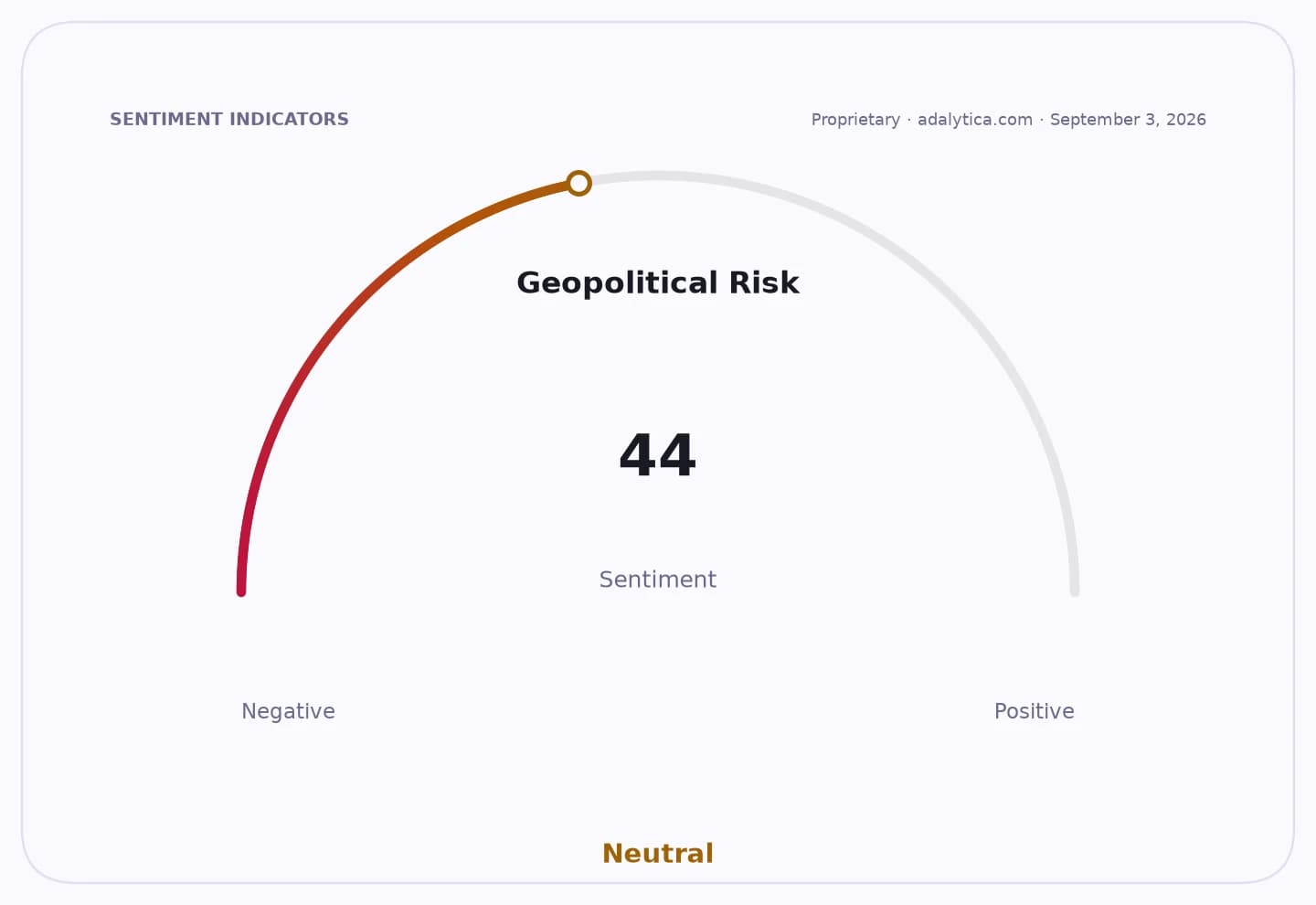
Russia’s warning that Germany “won’t soon forget” the closure of its Bonn consulate and Berlin’s Russian House matters because it marks a deeper rupture in Europe’s largest economy’s relationship with Moscow at a time when energy, security and sanctions risk are still feeding through global markets.
Berlin has now formally blamed Russia for the drone incident near Leipzig/Halle Airport in early August and responded by shutting the Russian consulate general in Bonn, ending the activities of the Russian House in Berlin and taking additional measures. Moscow says the move is unjustified and a “travesty,” but the bigger economic point is that Germany is tightening the screws on one of the last remaining institutional channels linking the two countries.
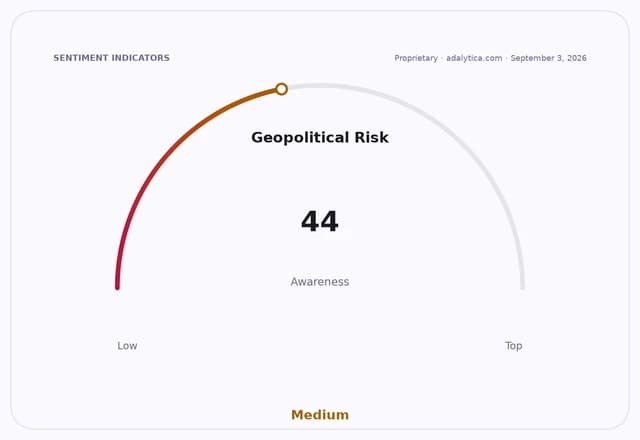
That has direct consequences beyond diplomacy. Consulates are not just symbols; they are practical infrastructure for visas, legal services, business contacts and diaspora support. The Bonn consulate was Russia’s largest in Germany, and the western German district it served holds the country’s biggest Russian community. Reducing that access raises friction for people, companies and municipal ties already strained by sanctions and the war in Ukraine.
For investors, the key question is not whether this escalation hurts German growth immediately — it likely does not — but whether it reinforces a long-running reallocation of capital away from Russia-linked exposure and toward defense, energy security and strategic infrastructure in Europe. The market has spent two years treating geopolitical fragmentation as background noise. It is not. It changes where governments spend, where supply chains are rebuilt and which sectors command a persistent risk premium.
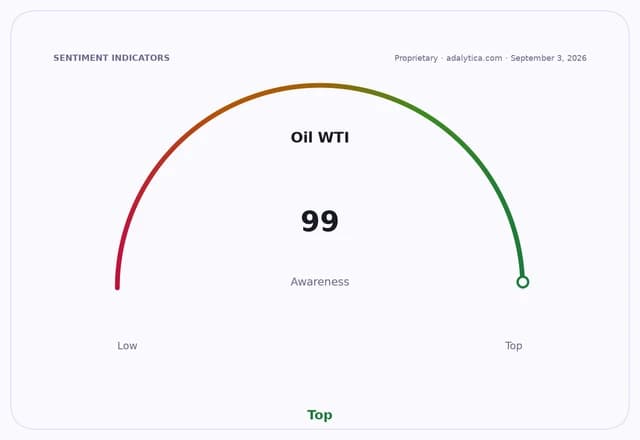
Energy is part of that story. Nechayev pointed directly to Nord Stream and the broader legacy of Germany-Russia cooperation, underscoring how completely the old model has broken. That makes Europe’s dependence on non-Russian energy structurally higher, even if crude prices are not spiking on this headline alone. WTI was trading around $91.75 a barrel in recent indications, while U.S. 10-year yields were near 4.82%, a mix that keeps pressure on energy-intensive industry and supports the case for still-elevated capex in oil, gas and grid infrastructure.
The market has already started to price that reality in pockets. The Energy Select Sector SPDR Fund, XLE, has climbed to about $65.10, above both its 50-day and 200-day moving averages, with RSI readings in overbought territory and momentum positive. That tells you investors still want exposure to the beneficiaries of geopolitical supply stress. Natural gas proxy UNG has also firmed to $10.75, while Germany-focused EWG remains near $43.52, suggesting the equity market is not yet pricing a major German growth shock, but is clearly watching the macro and security backdrop.
My thesis is that the real opportunity is in the second-order winners of Europe’s permanent strategic reset: defense, LNG, grid upgrades, industrial automation and cyber. Germany’s fresh clash with Moscow is another reminder that the continent is not returning to the pre-2022 status quo. It is moving toward a higher-spending, less integrated, more security-driven economic model.
If Berlin keeps hardening its posture, the near-term pain falls on diplomatic links, Russian nationals and any remaining Russia-adjacent commercial ties. The medium-term gains accrue to the companies and sectors built for a colder Europe: energy exporters, infrastructure builders and defense contractors. That is where the market underestimates the next leg of capital spending.
| Entity | Gains | Losses |
|---|---|---|
| German government | ▲Security posture | ▼Diplomatic flexibility |
| Russian diplomacy in Germany | ▲— | ▼Consular access, influence |
| European defense and energy infrastructure | ▲Higher spending | ▼Lower urgency risk premium |
| Russian diaspora in western Germany | ▲— | ▼Consular services, support |