Germany Russia Diplomatic Spat Raises Geopolitical Risk

Russia’s foreign ministry has summoned a German diplomat as a widening dispute over an alleged drone-linked hybrid attack pushes Europe’s biggest economy and Russia closer to another round of retaliatory expulsions.
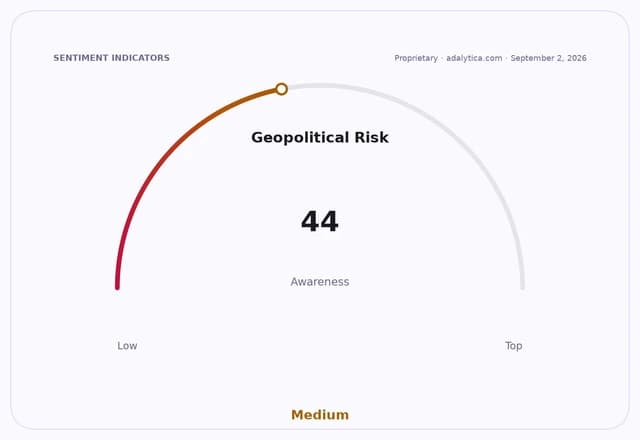
The diplomatic move matters because it raises the odds of a sharper break in already minimal ties between Moscow and Berlin at a time when Europe is still trying to harden itself against sabotage, cyberattacks and other hybrid threats. For investors, the immediate relevance is less about trade flows than about the risk premium attached to European assets: any escalation that deepens security concerns can support demand for havens, keep pressure on euro-area confidence and add to the geopolitical discount on German and broader European equities.
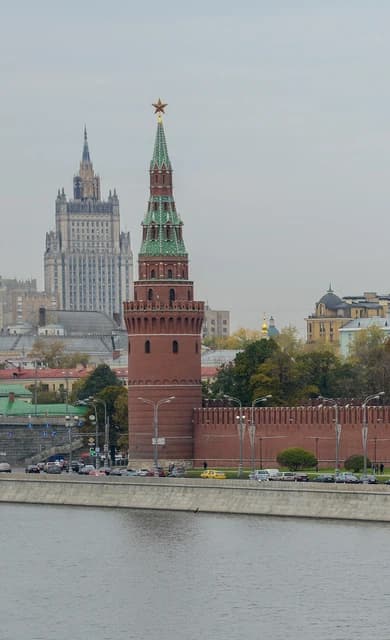
Berlin has accused Moscow of orchestrating the incident, prompting the EU and several member states to summon Russian diplomats in protest. Moscow’s response suggests it is prepared to mirror those steps rather than de-escalate, while Germany is also preparing to expel Russian diplomats, according to the context provided. That sequence points to a familiar but costly escalation cycle in which both sides use diplomatic channels to signal resolve even as the practical scope for engagement narrows further.
The market reaction has been modest but consistent with heightened risk awareness. The iShares MSCI Germany ETF, ticker EWG, has climbed to $43.52 as of Sept. 2, above both its 50-day moving average of $42.63 and its 200-day moving average of $41.61, suggesting the market has not yet priced a broad deterioration in German assets. Still, momentum indicators have cooled from recent strength: the RSI reading of 43.6 is below the bullish threshold, and the price sits just under the upper Bollinger Band, implying the fund is consolidating after a rally rather than breaking out.
By contrast, the euro proxy FXE has been steadier at 106.90, roughly flat over the latest sessions and close to its 50-day moving average of 105.98 and 200-day moving average of 106.95. That suggests currency markets are treating the dispute as a geopolitical nuisance rather than an immediate macro shock, though that view could change quickly if expulsions broaden into new sanctions or if Berlin and Moscow harden their rhetoric further.
The broader economic significance lies in Europe’s ongoing exposure to security shocks at a time when growth remains fragile and policymakers are trying to restore industrial competitiveness. Germany, in particular, is sensitive to any deterioration in continental stability because it magnifies risks around energy, investment and export sentiment. Even when the direct economic hit is limited, repeated diplomatic flare-ups can reinforce caution among companies with exposure to Eastern Europe and keep investors selective on cyclical names.
The key question now is whether the incident remains a contained diplomatic clash or becomes another step in the steady normalization of confrontation between Russia and EU states. If Berlin follows through with expulsions and Moscow retaliates in kind, the result would likely be another small but meaningful erosion in the channels that still exist between the two sides — and another reminder to investors that Europe’s geopolitical risk has not faded, only become more intermittent.
| Entity | Gains | Losses |
|---|---|---|
| Russia | ▲Signals defiance | ▼Diplomatic access |
| Germany | ▲Demonstrates resolve | ▼Bilateral ties |
| EU hawks | ▲Hardens security case | ▼Room for de-escalation |
| European equities | ▲Limited haven support | ▼Geopolitical discount |