Germany Deepens Russia Split Amid Ukraine War
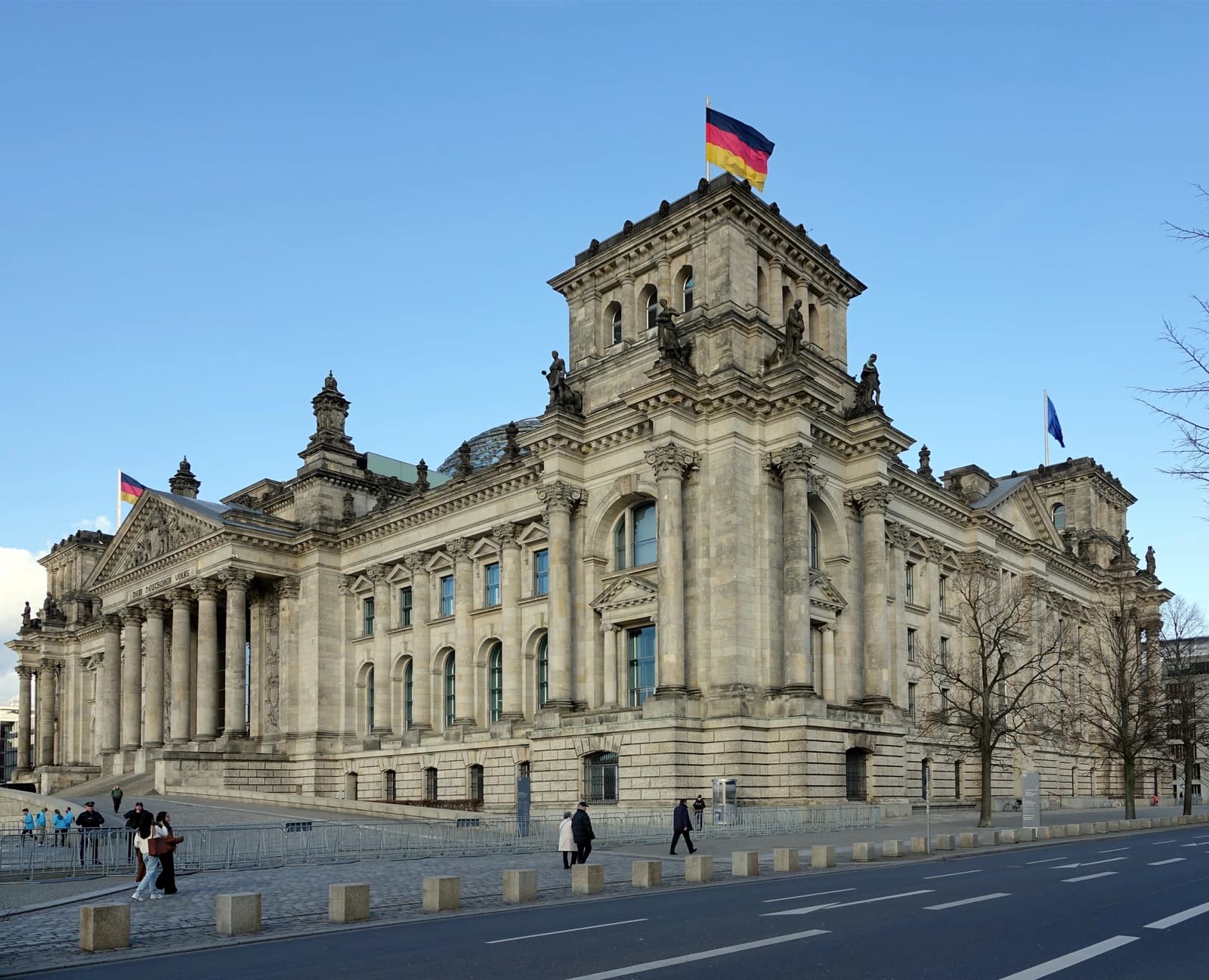
Germany is deepening its break with Russia as the war in Ukraine hardens into a wider economic and diplomatic confrontation, with Berlin moving against Russian cultural and consular outposts while Moscow prepares retaliation of its own.
The significance goes beyond symbolism. A further rupture in German-Russian ties reinforces Europe’s long-running effort to reduce exposure to Moscow after the invasion of Ukraine, while the Kremlin’s response points to a higher-risk environment for energy, trade, diplomacy and cross-border business even if direct commercial links have already been pared back sharply.
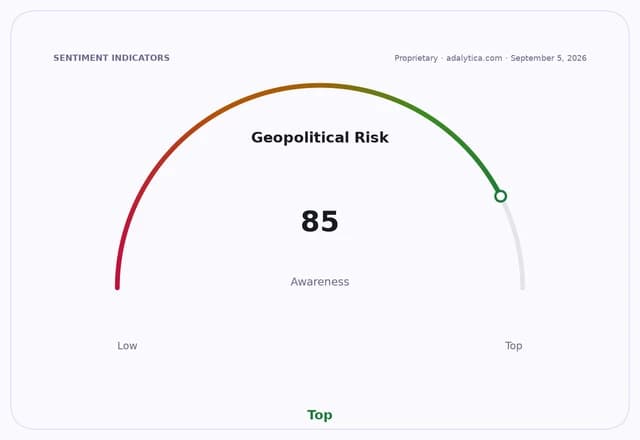
The immediate catalyst is the escalating war narrative coming out of Moscow. President Vladimir Putin has warned of a “catastrophic scenario” for Ukraine after strikes on Russian economic infrastructure, threatening retaliatory attacks on sensitive parts of Ukraine’s economy. That raises the probability of another round of tit-for-tat measures that can spill into the civilian economy and keep sanctions pressure elevated.
For Germany, the break with Russia is part security policy, part industrial policy. Since 2022, Europe’s largest economy has been trying to wean itself off Russian energy, rebuild supply chains and reduce the strategic leverage Moscow once held over the continent. The latest diplomatic drawdown suggests Berlin is now also prepared to absorb the cost of a more permanent political divorce, even at the expense of any residual channels that might have supported dialogue or limited economic engagement.
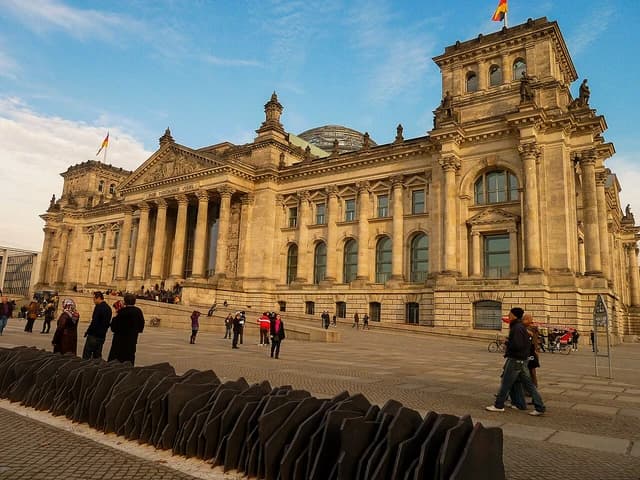
Investors have mostly already priced in a long separation, but the next-order effects still matter. European assets tied to energy import costs, defense spending, industrial margins and regional risk premia can all react if the confrontation broadens. German equities, as tracked by the EWG ETF, have recovered to $43.89 after a weak patch earlier this year, with the fund now above both its 50-day and 200-day moving averages, suggesting markets are less panicked than in the early stages of the war. But the rebound does not eliminate the risk that a fresh escalation could weigh on sentiment, especially if it pushes oil prices higher.
That is already relevant in the macro data. Brent has jumped to about $91.75 a barrel in the latest readings, up sharply from late August levels, while the 10-year U.S. Treasury yield has climbed to 4.802% in forecast data and the 2-year to 4.375%, a mix that keeps global financial conditions tight. Higher energy prices would hit Europe’s trade balance and corporate cost base more quickly than the United States, making Germany particularly sensitive to any renewed shock.
The bull case for Europe is that severing remaining symbolic ties with Russia reflects a strategic reset that lowers long-term vulnerability. The bear case is that it entrenches a lower-growth, higher-defense-spending, higher-energy-cost regime just as the region is trying to restore industrial competitiveness. For Germany, the immediate issue is less whether trade with Russia will recover — it likely won’t — and more whether a prolonged standoff adds another layer of pressure to an already fragile export model.
Markets will be watching for any Russian countermeasures, especially if they touch energy, transport or remaining diplomatic channels. The broader signal is that the post-invasion restructuring of Europe’s relationship with Russia is not over; it is moving into a more institutional phase, where political separation becomes harder to reverse and the economic consequences become part of the baseline.
| Entity | Gains | Losses |
|---|---|---|
| Germany | ▲Strategic autonomy | ▼Residual dialogue with Moscow |
| Russia | ▲Domestic mobilization narrative | ▼European access and influence |
| Europe | ▲Lower reliance on Russia | ▼Higher energy and security costs |
| Investors in defense and energy | ▲Higher spending and prices | ▼Risk-off volatility in cyclicals |