Germany's Sefe starts buying gas for winter storage
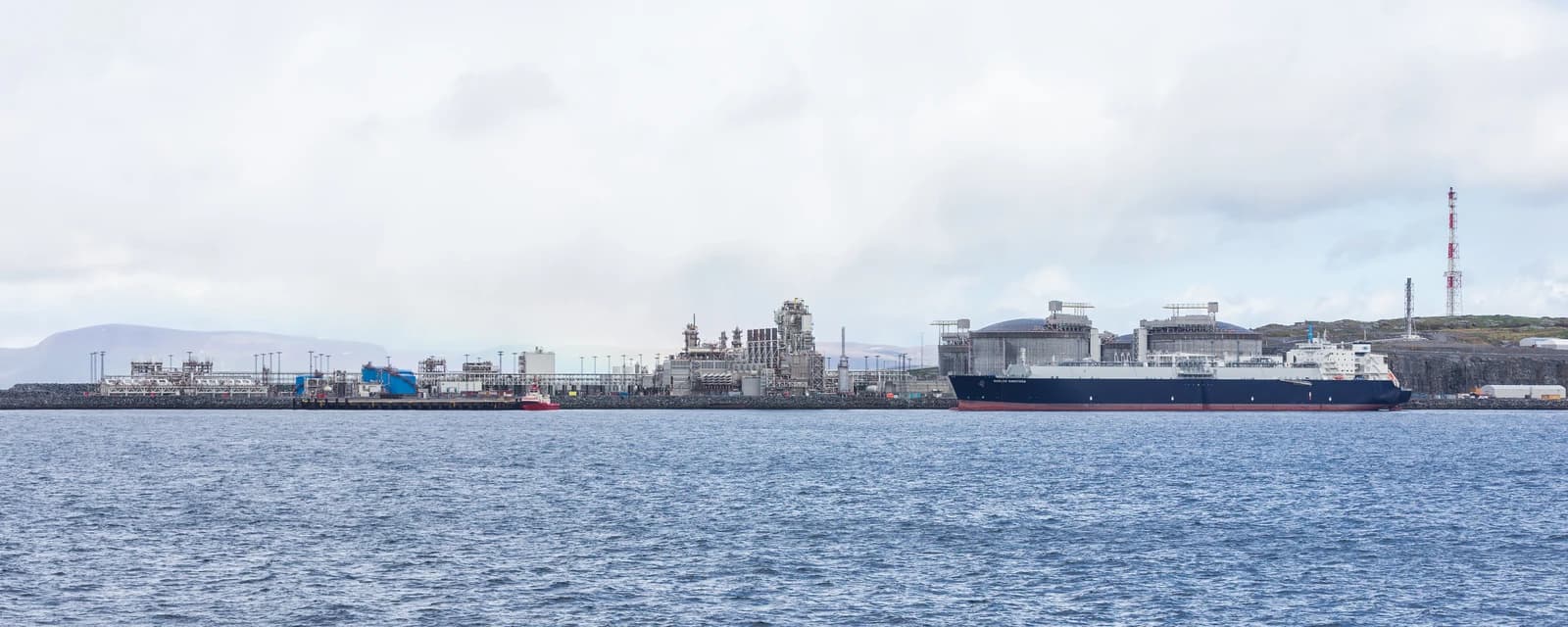
Germany’s state-owned gas importer Sefe has started buying fuel to help fill storage sites ahead of winter, a move that underscores how elevated gas prices and a 56% storage level are forcing the market to shoulder more of the burden for supply security.
The decision matters because Germany is heading into the heating season with inventories well below normal for this point in the year, leaving Europe’s largest gas market more exposed to price spikes if cold weather or supply disruptions hit. Sefe said the purchases were a commercial decision taken for strategic and economic reasons, not an instruction from the economy ministry, signaling that Berlin still wants to avoid a direct taxpayer-backed intervention.
That distinction is important for investors because it means any storage build will likely depend on market economics rather than a government mandate. In a normal summer, wholesalers buy cheap gas, inject it into storage and profit from the winter spread. This year, the spread has been distorted by the sharp rise in prices tied to the Iran conflict, making storage less attractive and reducing the incentive for private buyers to act.
Government circles have said ministers are in talks with Sefe and Uniper to improve filling rates, but the political aim is to keep costs off household bills and away from the federal budget. For gas traders, that raises the prospect of a late-season scramble for cargoes, which could tighten regional balances and support prices into the winter if storage remains short of target.
Sefe’s role is especially sensitive because the company, formerly Gazprom Germania, was nationalized after Russia’s invasion of Ukraine and must be largely privatized again by the end of 2028 under EU rules. Management is trying to show it can meet supply-security obligations while still acting as a commercial business, a point that will matter as Berlin prepares the company for sale.
For investors, the key near-term issue is whether Sefe and Uniper can refill storage without forcing a broader price spike across German and neighboring Central European markets. If they can, the winter risk premium may ease; if not, gas and power volatility could return quickly, with consumers, industrial buyers and utilities all feeling the strain.
| Entity | Gains | Losses |
|---|---|---|
| Sefe | ▲Strategic role; potential trading profit | ▼Takes on storage risk |
| German consumers | ▲Better winter supply security | ▼Higher gas costs if prices rise |
| Gas traders | ▲More market activity | ▼Narrower margins on storage arbitrage |
| Uniper | ▲Possible support in storage build-out | ▼Exposure to tighter market balances |