Ghana COCOBOD Owes LBCs Nearly GH¢4 Billion
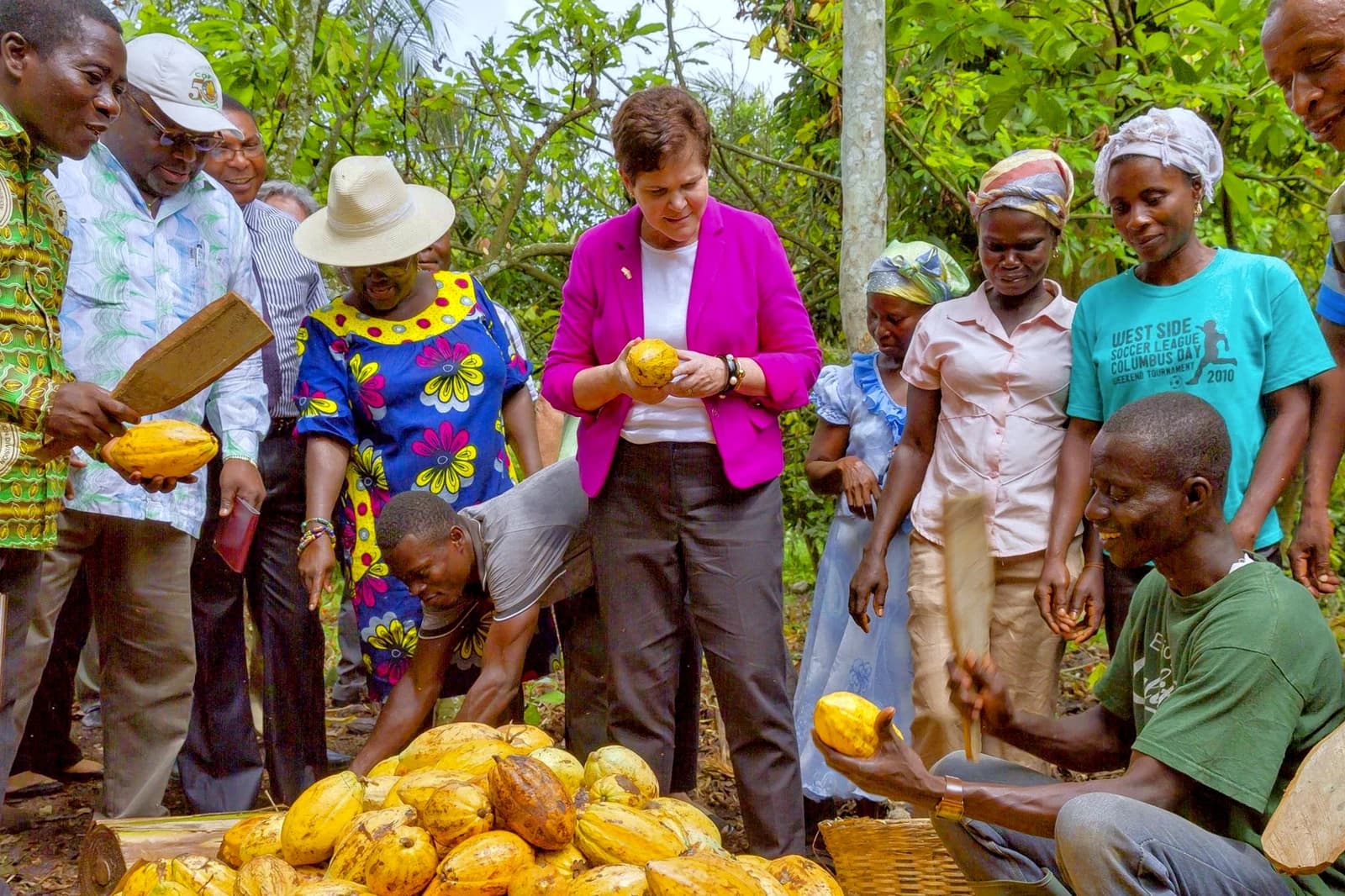
COCOBOD’s unpaid bills to licensed buying companies have become a structural drag on Ghana’s cocoa chain, raising the risk that exporters and buyers struggle to finance purchases ahead of the 2026/27 season.
The Chamber of Cocoa Marketers Ghana says the state cocoa board owes LBCs nearly GH¢4 billion from the just-ended season, a sum that is already forcing some buyers to borrow at interest rates as high as 40% while they wait for repayment. That is economically significant because cocoa is one of Ghana’s key foreign-exchange earners and the buying system depends on short-term credit: if LBCs cannot fund purchases, beans do not move, farmers wait for cash and the season starts with bottlenecks.
Victus Dzah, chief executive of the chamber, said the debt burden has become a recurring pattern under successive governments, describing it as a “copybook” in which each administration leaves LBCs to absorb the financing cost. The complaint matters because it points to a repeat policy failure rather than a one-off arrears problem. Interest costs are compounding just as lenders become more cautious, making it harder for buyers to roll over working capital and potentially squeezing smaller firms out of the market.
The timing is particularly delicate. The chamber says LBCs have not been briefed on how COCOBOD plans to finance purchases for the new season, even after the board said it would tap commercial paper and bonds. That uncertainty raises the risk of a liquidity crunch at the point when cocoa must be collected, graded and exported, and when any disruption quickly feeds into farmer incomes, border trade and export receipts.
Price policy is another pressure point. Ghana guarantees farmers 70% of FOB value, but any sharp increase in the farmgate price could widen the gap with Côte d’Ivoire, which has opened its 2026/27 season at 1,200 CFA francs per kilogramme. A wider differential could encourage smuggling across the border, repeating the kind of leakage Ghana saw when rival prices diverged in 2023/24. For investors in cocoa-linked businesses, that means the debt story is not just about balance-sheet strain at COCOBOD; it is also about supply discipline, export volumes and the credibility of Ghana’s pricing regime.
The bullish case is that a cleaner funding framework — if backed by timely repayment, clearer communication and bank support — could stabilize the buying system and protect output. The bearish case is that delayed settlement, high financing costs and policy opacity become self-reinforcing, with weaker LBCs cutting volumes, more beans leaking across borders and the state facing higher costs to preserve market share.
For investors, the key issue is whether Ghana can convert this season’s arrears into a more durable financing structure before the next crop year begins. If not, the debt cycle will keep acting as a tax on liquidity throughout the cocoa value chain, with implications for farmers, lenders, exporters and the country’s hard-currency earnings.
| Entity | Gains | Losses |
|---|---|---|
| COCOBOD | ▲Short-term financing flexibility | ▼Credibility and market trust |
| LBCs | ▲Debt relief if paid promptly | ▼Working capital, margins |
| Ghana cocoa farmers | ▲More stable buying if system improves | ▼Delays if purchases stall |
| Banks/lenders | ▲Higher interest income | ▼Credit risk on cocoa buyers |