Development Bank Ghana is aiming to get at least two textile projects to credit approval and disbursement before the end of the year, a sign the state-backed lender is moving from policy support to actual financing in a sector long constrained by weak investment readiness.
Ghana Development Bank Targets Textile Deal Approvals
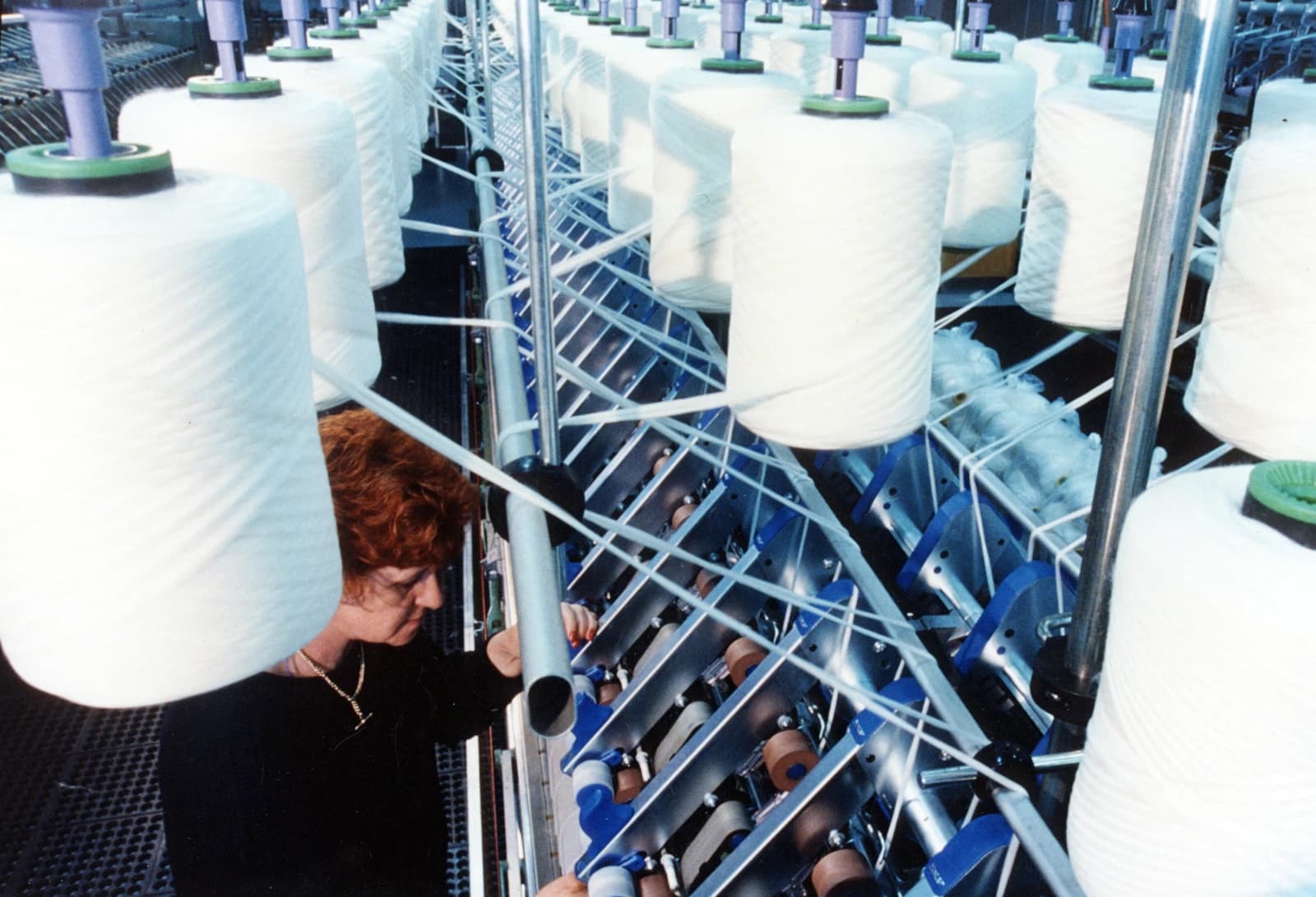
The projects are part of five proposals that have come out of a dedicated textile-sector deal room set up by DBG with development partners. Chief Executive Randolph Nsor-Ambala said the bank has already taken the projects to participating financial institutions and expects at least two to clear approval and funding before year-end.
Sentiment IndicatorsⓘProprietary · adalytica.com · September 7, 2026
This is a snapshot — live sentiment, awareness and momentum for 130+ markets update continuously in the dashboard.Open AlphaPulse
For Ghana’s textile industry, the timing matters. Access to finance has been one of the biggest bottlenecks to modernization and expansion, and DBG’s push could help unlock working capital and investment for firms that have had viable ideas but lacked bankable structures. That has broader implications for manufacturing output, jobs and import substitution in a sector that has struggled to compete with cheaper foreign goods.
DBG is not just offering loans. The bank says it is pairing financing with market development, capacity building, technical assistance and policy advocacy, an approach meant to address the upstream problems that keep projects from reaching lenders. It signed a three-year memorandum of understanding with the Association of Ghana Industries to support textile businesses, including help with investor-ready project preparation.
The bank says its interventions have also helped push through long-delayed policy changes. Nsor-Ambala said a textiles and garment policy that was previously stuck has now been signed and approved by Parliament, removing one of the sector’s regulatory uncertainties.
DBG has been working with GIZ, Palladium, JET and KfW on feasibility work and training, including a nationwide study that identified bankable projects held back by specific constraints. The lender is now working with businesses through the end of November to prepare them for financing via participating institutions.
The broader strategy also reflects where the bank wants its capital to go. DBG says textiles, pharmaceuticals and energy transition are priority manufacturing areas, with a focus on youth-led and women-owned businesses and on investment outside Greater Accra, where it says a little over 40% of its portfolio already sits.
If the approvals come through, investors will be watching whether DBG can convert development-policy support into repeatable financing flows for Ghana’s manufacturing base. The next catalyst is whether the first two textile deals close before year-end and whether the bank can extend the same model to more projects.
| Entity | Gains | Losses |
|---|---|---|
| Development Bank Ghana | ▲project pipeline, policy influence | ▼execution risk |
| Textile firms in Ghana | ▲credit access, technical support | ▼delays if not investor-ready |
| Development partners | ▲impact leverage, sector reform | ▼limited if deals stall |
| Imported textile competitors | ▲none | ▼stronger local financing |