Ghana poultry plan to mobilize over GHS1 billion
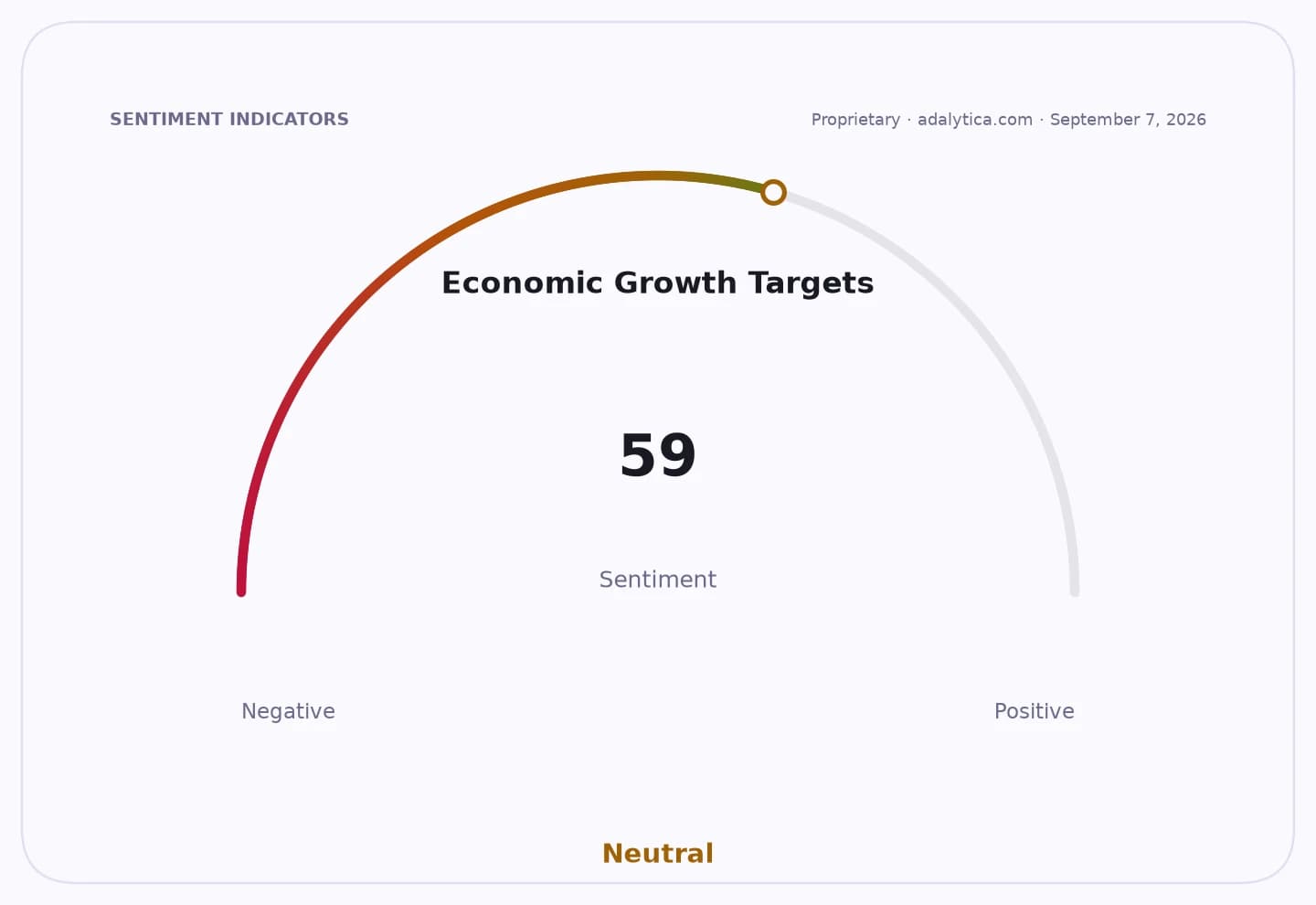
Ghana’s move to mobilise more than GHS1 billion for its poultry value chain could become one of the country’s most important industrial policy tests, with the financing aimed at cutting a costly import bill, creating rural jobs and building a domestic industry that can eventually compete beyond its borders.
The 24-Hour Economy Secretariat and the Accelerated Export Development Authority said the funding commitments, backed by private lenders including ABSA, Fidelity and Ecobank, will support the full poultry ecosystem — from feed mills and day-old chicks to equipment, processing, storage and veterinary services. That matters because Ghana is not just underproducing chicken; it is structurally dependent on imports for a basic food staple, leaving consumers, farmers and the trade balance exposed.
The scale of the gap is stark. Ghana consumed about 324,047 metric tonnes of poultry in 2022 but produced only 15,000 metric tonnes locally, or 4.6% of demand, according to the 2024 budget statement. Roughly 95% of chicken consumed in the country is imported, largely from Brazil, the US and Europe. The Ghana National Association of Poultry Farmers says the country spends nearly US$400 million a year on those imports. In macro terms, that is a leakage of foreign exchange that the economy can ill afford, especially when food import dependence also weakens resilience to shipping disruptions, currency swings and global price shocks.
For investors, the opportunity is less about a single poultry company than about the infrastructure and financing layers that make domestic production bankable. Feed production, hatcheries, cold storage, processing and veterinary services are the toll roads of this market. If the programme is executed properly, those segments stand to benefit first, followed by farmers who can access better-tailored lending rather than conventional loans that do not match poultry production cycles. Mr. Parker’s remarks point to a familiar but often overlooked constraint in African agribusiness: the problem is rarely just production capacity, but capital structure, working capital and logistics.
The first phase targets about GHS300 million, with more financing to follow after implementation begins. That staged approach is important. It suggests the market is not being asked to fund a concept, but to back a pipeline that could be scaled if early execution works. The challenge now is operational: building the right structures to draw down capital, managing credit risk and coordinating banks, processors and farmers around a business model that can survive beyond subsidies or political momentum.
There is also a broader strategic angle. By tying the poultry push to Ghana’s Accelerated Export Development agenda, the government is signaling that this is not just an import-substitution exercise. If local producers can improve productivity and quality, poultry could become part of a regional trade story, not merely a domestic food-security play. That is where the upside becomes asymmetric: a successful value-chain buildout would support jobs, reduce import dependence and create a platform for exports, while failure would simply confirm why the country remains reliant on foreign chicken.
The market should watch the lender participation, the design of the financing products and whether the first GHS300 million turns into measurable capacity on the ground. If those pieces align, Ghana’s poultry programme could emerge as a model for how patient capital and supply-chain finance can unlock an overlooked agribusiness market. For now, the clearest investment takeaway is that the winners are likely to be banks, input suppliers, logistics providers and processors positioned early around the value chain — not the importers whose business model depends on Ghana staying dependent.
| Entity | Gains | Losses |
|---|---|---|
| Ghana poultry farmers | ▲Better financing access | ▼Pressure from imported chicken |
| Banks and lenders | ▲New agribusiness lending pipeline | ▼Higher execution and credit risk |
| Feed, hatchery and processing firms | ▲Value-chain investment | ▼Legacy import-dependent traders |
| Poultry importers | ▲— | ▼Market share and foreign-exchange windfall |