Ghana tomatoes drive August inflation to 5.0%
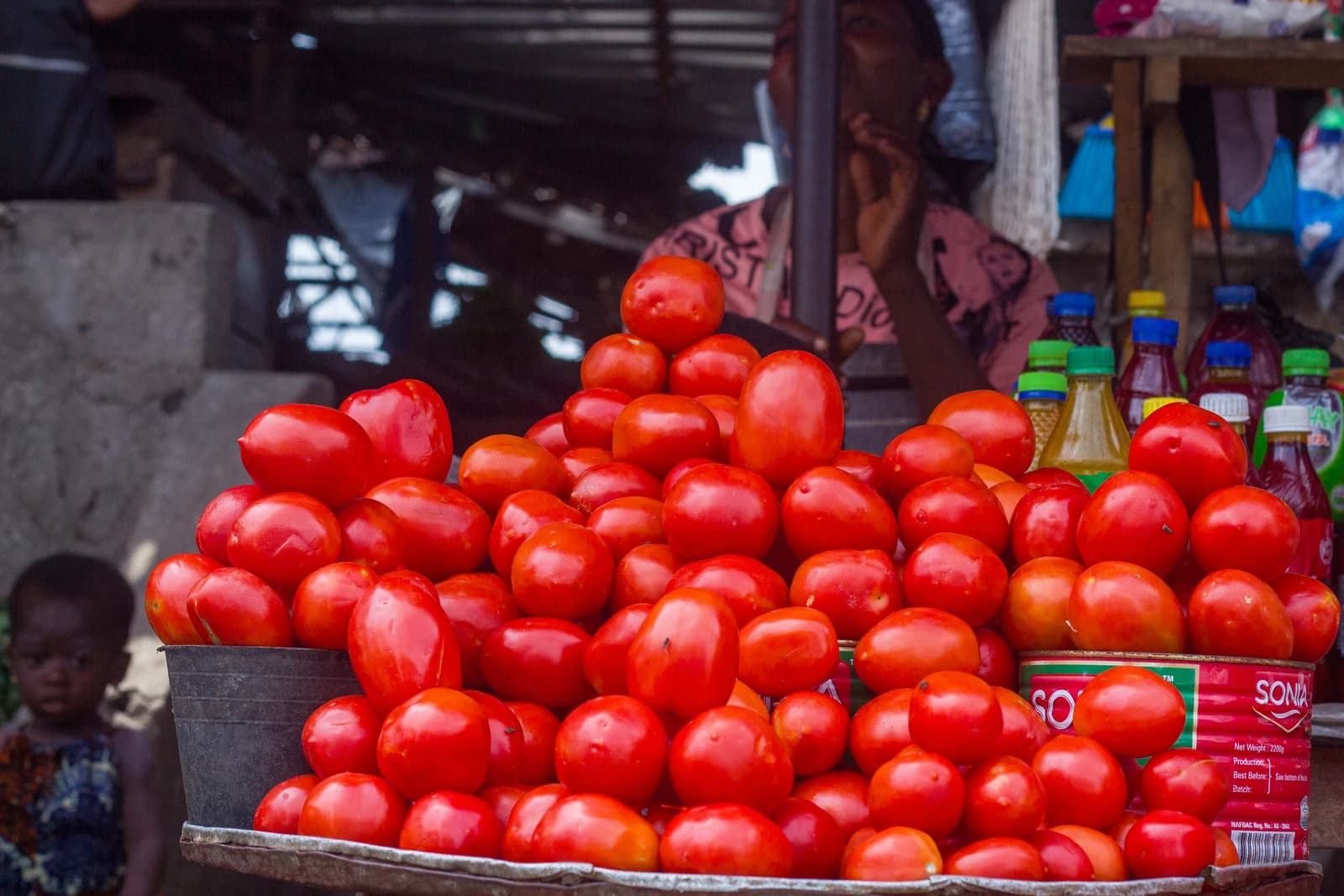
Fresh tomatoes became Ghana’s biggest inflation driver in August, accounting for 23.1% of the 5.0% headline rate as a supply squeeze pushed prices up 158.3% from a year earlier.
The reading matters less for the national inflation rate, which remains relatively low, than for what it says about price pressure inside the food basket. A single crop dominating the inflation table suggests the current disinflation story is uneven and fragile: households may be seeing relief in some categories, while daily essentials such as fresh produce remain volatile and expensive.
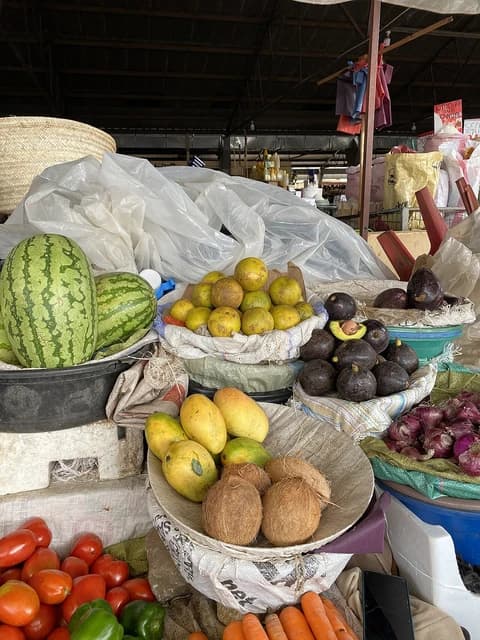
That divergence also helps explain why tomatoes displaced ginger, which had led inflation rankings for several months. The Ghana Statistical Service said fresh tomatoes more than doubled over the 12-month period, underscoring how sharply localised shocks can distort the consumer experience even when broader inflation is subdued. Rent was the second-largest contributor at 14.7%, while other notable drivers included charcoal, cooked rice, yam, transport fares, electricity and school fees.
For policymakers, the report is a reminder that food inflation in Ghana is still being shaped by supply-side disruptions rather than demand alone. The news context points to poor production and weak supply as the immediate catalyst, with a suspension at a key tomato paste factory worsening an already tight market. That combination is particularly painful in a country where food carries heavy weight in household budgets and political sensitivity around living costs remains high.
The market implication is more indirect but still important. Persistent food-price spikes can complicate the central bank’s inflation outlook, even if headline CPI stays near 5%. Adalytica’s proprietary confidence gauge on the Fed’s 2% inflation target is not relevant to Ghana itself, but the broader lesson for investors is familiar: when food prices are driven by supply shocks, inflation can be misleadingly calm at the aggregate level while still eroding real incomes.
The cross-current in the data is that some staples are easing. Lime posted the steepest deflation at 33.7%, maize fell 31.3%, and kontomire leaves and sweet apples also declined sharply. That split argues for a narrative of commodity-specific volatility rather than broad inflation acceleration, but it also means consumer relief is uneven and vulnerable to weather, logistics and processing bottlenecks.
For investors with exposure to Ghana’s consumer, retail or agricultural chains, the key question is whether tomato inflation proves transitory or becomes a more persistent food-cost problem. If supply recovers and processing capacity normalises, price pressure could fade quickly. If not, the tomatoes story may be an early warning that the country’s inflation floor is lower than in past cycles, but its food-price volatility is still high.
| Entity | Gains | Losses |
|---|---|---|
| Tomato farmers/suppliers | ▲Higher farmgate prices | ▼Input and logistics pressure |
| Urban households | ▲Lower prices in deflationary staples | ▼Higher food bills |
| Policymakers/central bank | ▲Headline inflation still contained | ▼Credibility from food volatility |
| Food processors/importers | ▲Potential margin opportunity | ▼Supply shortages and cost spikes |