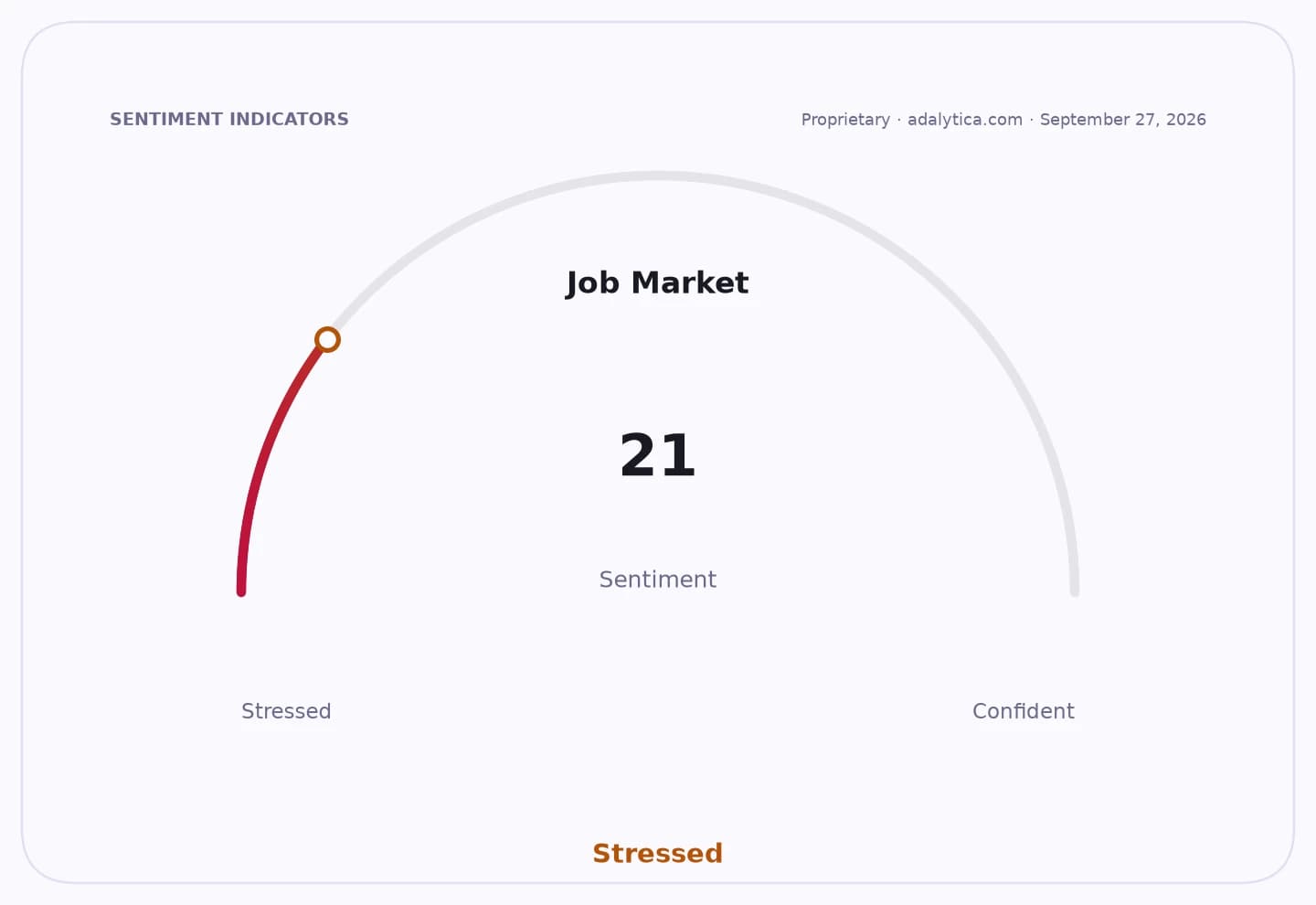
Giant Eagle’s decision to mirror the private-label and value-focused playbook long associated with Walmart and Aldi is emerging as one of the clearest signals yet that grocery sellers are bracing for a tougher consumer and a more competitive sale process.
Giant Eagle Sale Signals Grocery Value Shift
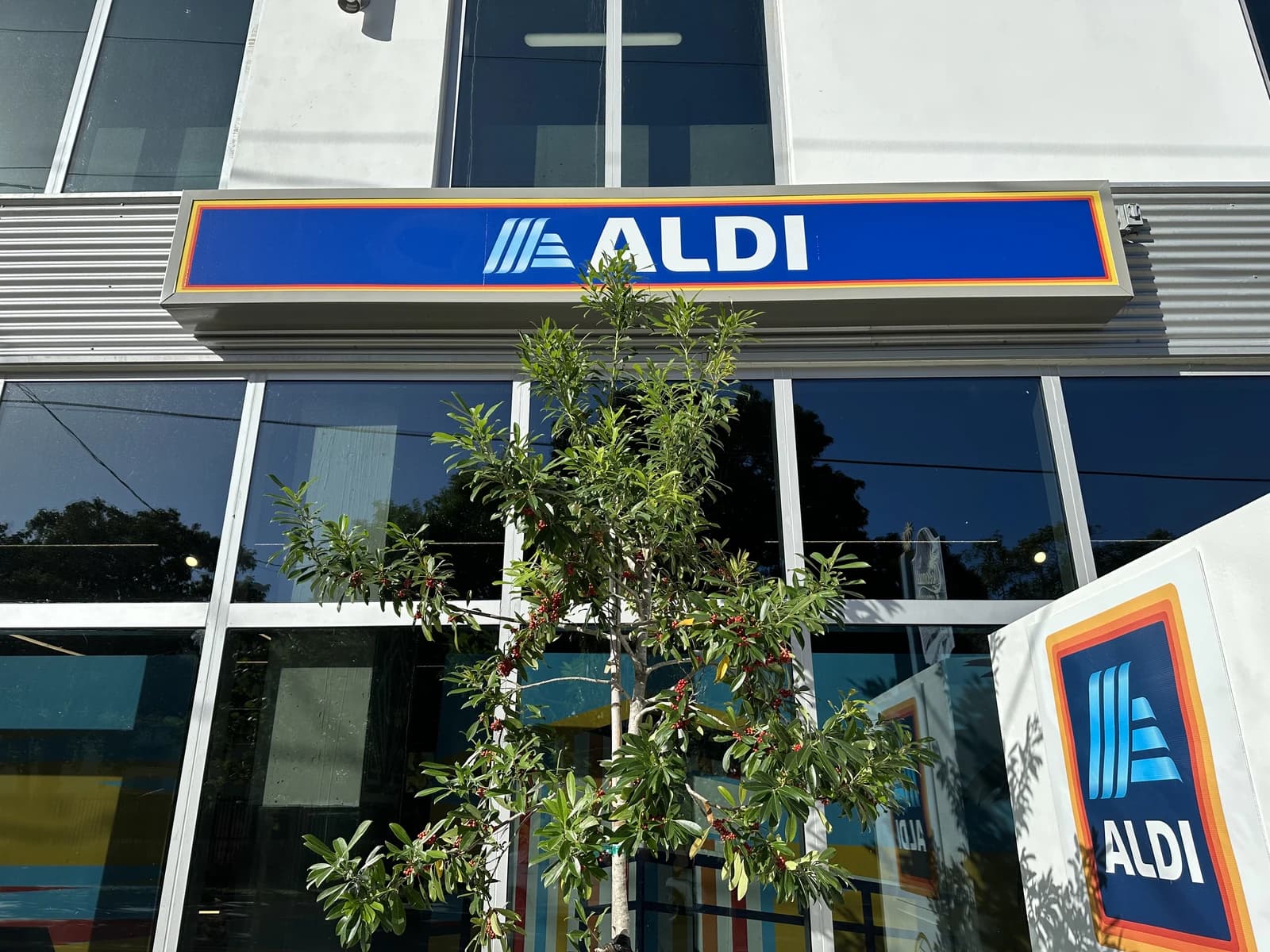
For a regional grocer heading toward a sale, the message is simple: the fastest way to protect traffic and margins is to look more like the chains that have trained shoppers to expect low prices and higher-value store brands. That matters because in grocery, pricing architecture can shape both valuation and who ultimately wins the next round of market share.
Sentiment IndicatorsⓘProprietary · adalytica.com · July 18, 2026
This is a snapshot — live sentiment, awareness and momentum for 130+ markets update continuously in the dashboard.Open AlphaPulse
Walmart is the clearest benchmark in the group. Its shares have rebounded from spring weakness, but the stock is still trading below the kind of sustained breakout that would normally signal a clean rerating, with the latest close at $114.24 versus a 200-day moving average of $117.20. Momentum has improved from June’s oversold conditions, yet the 14-day RSI at 46.8 and a negative MACD reading suggest the market is still debating whether the latest strength is durable or just a relief bounce.
That uncertainty mirrors the broader consumer backdrop. Adalytica’s consumer spending sentiment stands at an extreme-greed 93, while awareness is also elevated, implying shoppers are engaged but still highly price sensitive. In that setting, a sale-focused grocer has little choice but to emphasize the same levers that have made Walmart and Aldi effective: sharper pricing, stronger own-label penetration and a leaner value proposition.
The economic significance is straightforward. When a grocer copies the Walmart-Aldi model, it is effectively conceding that discretionary spending is not the main growth engine; share gains come from trading customers down, not from demand expansion. That can protect volumes, but it also compresses industry margins, especially for smaller chains that lack the scale to offset lower shelf prices with procurement savings or digital revenue.
For investors, the signal cuts both ways. The bull case is that value-led merchandising can improve traffic, reduce leakage to discounters and make a grocery asset more attractive to strategic buyers who prize stable cash flow and brand familiarity. The bear case is that a race to match Walmart and Aldi on price can leave a mid-sized operator stuck with lower gross margins and limited differentiation, especially if a sale process forces management to optimize for near-term comparability rather than long-term positioning.
Walmart’s own operating data shows why the model remains hard to beat. In its latest filing, comparable sales at Walmart U.S. rose 4.3% including fuel, while Sam’s Club U.S. comparable sales climbed 5.9%, helped by e-commerce and fuel. That combination of scale, omnichannel reach and pricing power is exactly what regional grocers are trying to emulate, even if they cannot fully replicate it.
The broader narrative is that grocery consolidation is being driven less by growth and more by defense. As consumer spending remains elevated but cautious, and as seasonal promotions continue to pull traffic, sellers are being forced to prove they can compete in a market where price discipline and private labels matter more than branding alone. If Giant Eagle’s sale process accelerates the shift toward Walmart-style and Aldi-style merchandising, the winners are likely to be the largest low-cost operators and disciplined private-equity buyers, while the losers are higher-cost grocers with weaker sourcing power and less room to cut prices.
| Entity | Gains | Losses |
|---|---|---|
| Walmart | ▲Share gain from value focus | ▼Less room for premium pricing |
| Aldi | ▲Reinforced low-price model | ▼Margin pressure from imitators |
| Giant Eagle | ▲Better sale appeal | ▼Lower margins in transition |
| Higher-cost grocers | ▲— | ▼Traffic and pricing pressure |