Global Business Travel Spending Seen at Record $1.71T
Global business travel spending is set to reach a record $1.71 trillion in 2026, with higher trip costs doing more to lift the top line than a surge in the number of journeys.
That matters because it shows corporate travel is being priced higher even as companies remain willing to send employees on the road, a sign of resilient demand in a service sector still adapting to geopolitical risk, tighter budgets and more expensive airlift.

The latest forecast also suggests spending growth will outpace trip volumes, meaning the recovery is being driven less by more travel and more by pricier tickets, hotels and related services. For airlines, hotel groups and online booking platforms, that supports revenue even if business travelers are not moving materially more often.
Booking Holdings and Expedia, two of the biggest online travel intermediaries, are positioned to benefit from that pricing power if business and cross-border travel remain firm. Delta Air Lines also stands to gain from stronger premium and corporate demand, though its shares have been volatile, with the stock last at $78.25 after trading above $89 in July before sliding back below its 50-day moving average.
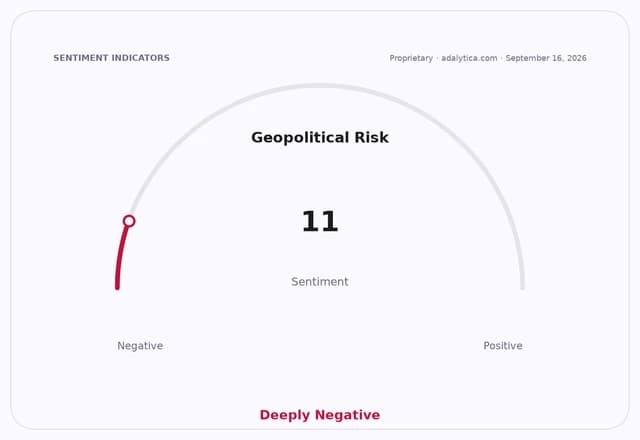
Expedia shares, meanwhile, were last at $290.30, below their 50-day average near $296.86 but still well above the 200-day moving average, suggesting investors continue to price in a travel sector that can absorb cost inflation even as broader market sentiment stays weak. Adalytica’s S&P 500 trade signals snapshot shows extreme fear across the broader market, underscoring how travel names are trading against a cautious macro backdrop.
The biggest risk to the forecast is that geopolitical tensions, visa frictions and elevated operating costs push companies to tighten travel policies later in the cycle. For now, though, the record spending outlook points to a travel industry that is still expanding — just at a higher price tag.
| Entity | Gains | Losses |
|---|---|---|
| Airlines and hotel groups | ▲Higher revenue per trip | ▼Demand sensitivity to costs |
| Booking platforms | ▲More booking value and fees | ▼Softer trip volumes |
| Corporate travel buyers | ▲Access to global mobility | ▼Higher travel budgets |
| Cost-conscious companies | ▲Can reduce unnecessary trips | ▼Less flexibility on expansion |