Globalization splits into blocs as AI spending holds
Geopolitics is no longer just an outside shock to trade and investment; it is reorganizing the world economy into two increasingly distinct blocs, even as artificial intelligence spending cushions the growth hit.
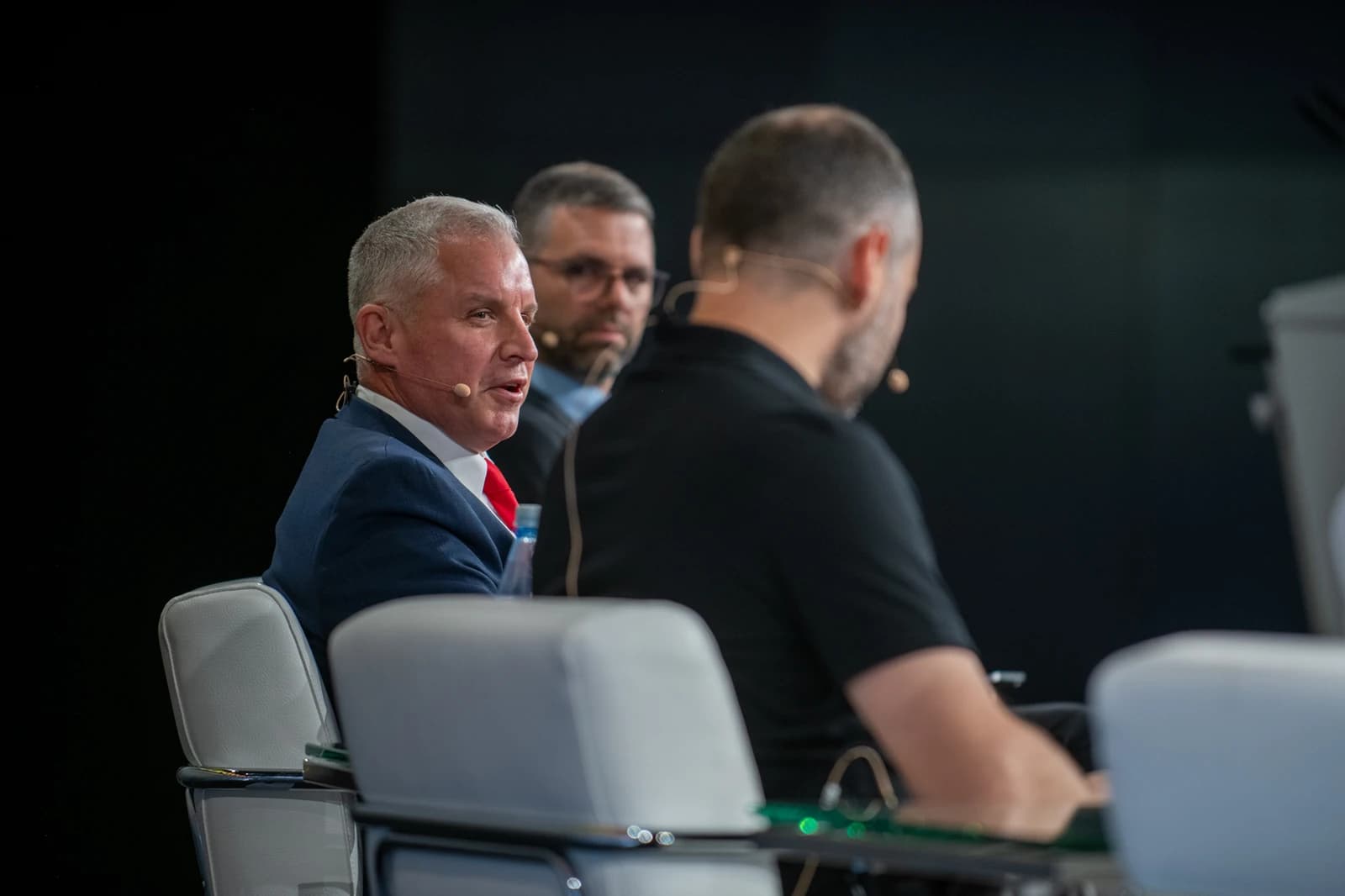
That is the central message from Bert Losse, who argues that globalization has entered a new phase in which the West is integrating less while China and much of the global South are deepening ties. The result is not the collapse of cross-border commerce, but a re-routing of capital, supply chains and technology transfer along geopolitical fault lines. For investors, that matters because it changes where growth, industrial capacity and return on capital are likely to concentrate over the next decade.
Losse said the world economy may still grow about 3% in 2026 despite wars in Ukraine and the Middle East, elevated oil prices and tariffs, because the AI boom is offsetting some of the drag from fragmentation. In the US, he said, AI-related investment currently accounts for more than half of economic growth, while Europe is drawing foreign direct investment into data centers and AI-linked infrastructure. That helps explain why markets have not fully priced in the economic damage from geopolitical stress: there is still a powerful capex cycle supporting demand, especially in technology and infrastructure.
But the larger story is the direction of trade and investment flows. Losse said the world’s integration level has fallen to its lowest in 20 years, with foreign direct investment below pre-pandemic levels and increasingly shaped by geopolitical divides. He described the new system as a “K-shaped” globalization: the West is pulling back from China and the US-Europe link is fraying, while China expands its reach across Vietnam, India, Indonesia, Saudi Arabia and the United Arab Emirates. That is economically significant because trade may still be rising in absolute terms, but it is growing more slowly than global output — the opposite of the high-globalization era, when commerce outpaced GDP.
For investors, the implication is that the old playbook of broad, frictionless global integration no longer applies. Companies with exposure to data centers, semiconductor supply chains and AI infrastructure may keep benefiting from the investment cycle even as traditional trade flows weaken. At the same time, exporters and industrial groups need to rethink market access, sourcing and capital allocation as sanctions, investment barriers and technology-transfer restrictions proliferate.
The shift also strengthens the case for diversification toward faster-growing markets in the global South, particularly Indonesia, India, Brazil and Egypt, which Losse identified as the most promising export destinations for German industry through 2035. Europe, he said, must complete its single market and pursue new trade agreements to offset the loss of integration with China and the US. The EU has signed more free-trade deals in recent years than in the previous decade, but the economic payoff will depend on whether companies actually redirect supply chains and sales efforts accordingly.
BRICS remains part of that reordering, though not as a unified geopolitical bloc. Losse portrayed it less as a rival alliance than as a platform for countries seeking more financial independence from the West, including through de-dollarization efforts. That matters because any incremental shift away from dollar-centric trade and financing would affect funding costs, reserve management and the pricing power of US financial markets over time.
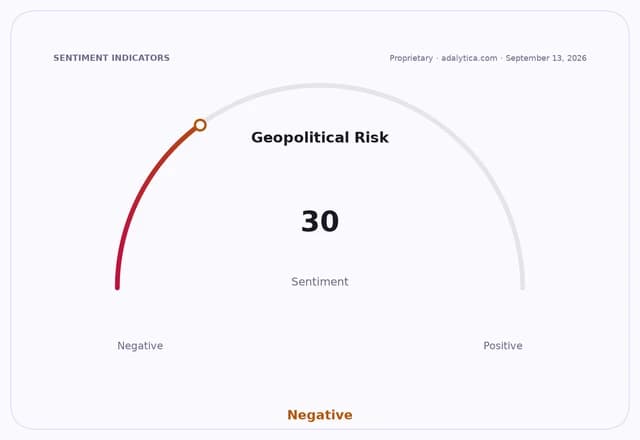
The market backdrop underscores how investors are trying to balance these forces. The S&P 500 remains above its 200-day moving average, reflecting resilience in risk assets, but Adalytica’s Global Stability Sentiment has sunk to “Fear,” suggesting rising concern over geopolitical fragmentation. Gold has also held firm, consistent with demand for havens when the world order looks less predictable. The message for portfolios is not to abandon globalization themes altogether, but to distinguish between the parts of the system that are breaking apart and the new corridors of growth being built in their place.
The next phase of globalization is likely to be narrower, more regional and more politically managed. That favors countries and companies able to operate across blocs, capture AI-led capex and exploit trade with the fast-growing South. It is a less efficient world economy, but not a static one — and that is where the next set of winners and losers will be decided.
| Entity | Gains | Losses |
|---|---|---|
| AI infrastructure providers | ▲Capex demand | ▼Legacy trade model |
| China and Global South | ▲New trade links | ▼Western dependence |
| EU exporters to South | ▲Market diversification | ▼China exposure |
| Dollar-centric system | ▲Status quo premium | ▼De-dollarization push |