GM Recall Highlights Ongoing Warranty Risk
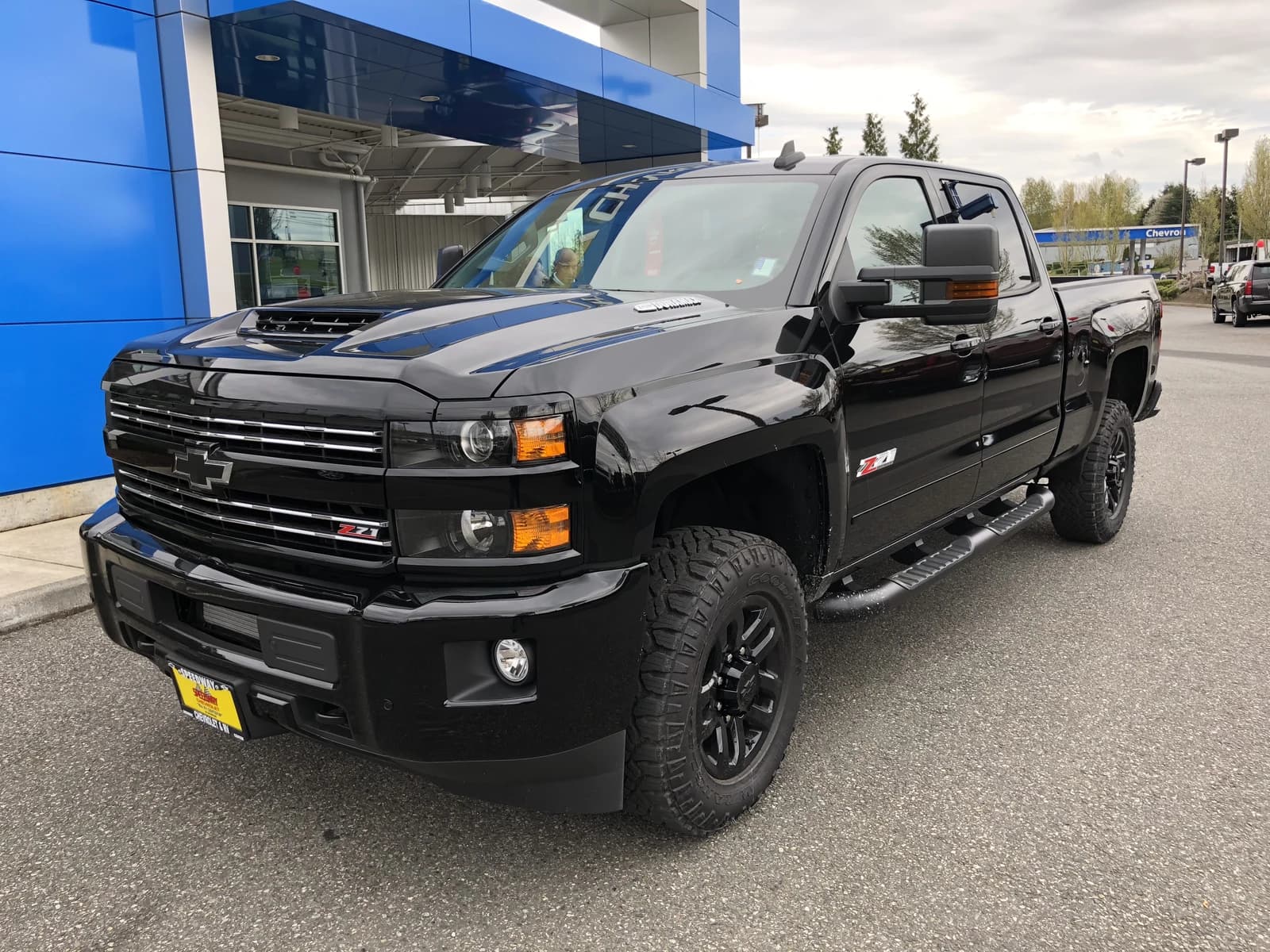
General Motors’ recall of several Chevrolet Silverado 2500 pickups over faulty airbag inflators is a reminder that execution risk has not disappeared even as the company’s stock has rallied and its balance sheet and margins have improved.
The issue matters economically because recalls are not just a one-off repair bill. They can translate into warranty expense, dealer disruption and reputational drag, especially when they involve one of GM’s core full-size truck nameplates. Trucks are among the automaker’s most profitable products, so any quality problem that touches the Silverado line carries outsized significance for earnings resilience and investor confidence.
GM has been working to show that its profitability can hold up after years of restructuring and heavy EV spending. Its latest filing pointed to $400 million of warranty-related costs in the March quarter, underscoring how quality and product issues continue to sit alongside the company’s broader manufacturing reset. That makes the recall more than an isolated safety action: it adds to the evidence that margins remain vulnerable to aftersales and remediation expenses even when demand for trucks is intact.
The market has been willing to look through some of that noise. GM shares have traded above both the 50-day and 200-day moving averages in recent sessions, suggesting the stock still has a constructive technical backdrop despite bouts of volatility. But momentum indicators have cooled from earlier levels, and investors are likely to treat the recall as a check on the narrative that operational improvement is a one-way story.
For buyers and regulators, the immediate question is whether this is a contained inflator defect or part of a broader quality issue. For investors, the bigger issue is whether repeated recalls will keep siphoning cash and management attention away from GM’s higher-value priorities, including capital discipline, EV portfolio rationalization and maintaining truck profitability. If the recall stays limited, the financial impact should be manageable; if it widens or exposes deeper supplier problems, it could revive concerns about recurring warranty pressure.
The story now is less about the mechanics of a single recall than about the durability of GM’s turnaround. Investors will be watching whether the company can preserve its earnings leverage while absorbing periodic safety and quality costs that remain an unavoidable feature of the auto business.
| Entity | Gains | Losses |
|---|---|---|
| GM | ▲Contained recall response | ▼Warranty and reputation hit |
| Silverado owners | ▲Safety fix | ▼Inconvenience and downtime |
| Dealers | ▲Service traffic | ▼Operational disruption |
| GM shareholders | ▲Truck demand support | ▼Margin and cash-flow risk |