Gold stays in focus after Fed hike
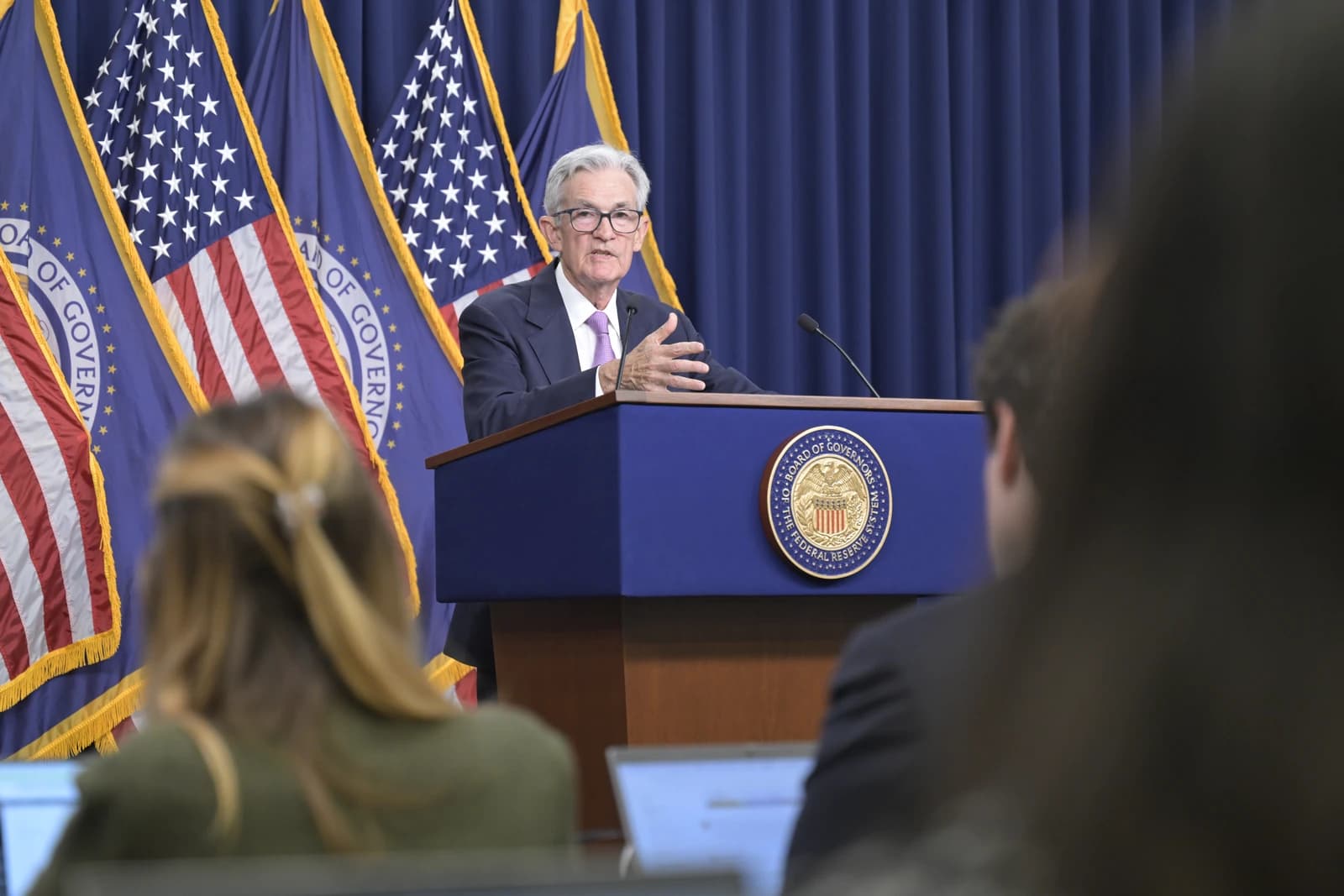
Gold is still trading like a rate-cut story in a higher-for-longer world, and that is exactly why Goldman Sachs is keeping its bullish target intact even after the Federal Reserve’s latest hike.
The bank’s call matters because the most important driver for bullion right now is not one quarter-point move, but the market’s struggle to price the next phase of policy: sticky inflation, a still-firm dollar and elevated Treasury yields versus the appeal of gold as a hedge against policy error, currency debasement and geopolitical risk. That tension is what keeps gold relevant to investors even when the Fed is tightening.

The backdrop is straightforward. The 10-year Treasury yield has been hovering around 5%, while the fed funds rate is sitting near 3.63%, with markets only modestly easing expectations for the next meeting. That combination usually weighs on non-yielding assets, and gold has felt the pressure. SPDR Gold Shares, the largest U.S. gold ETF, closed at $400.13 on Sept. 22, up from a recent low near $374.58 in June but still below its 200-day moving average around $416.34. That tells you the metal is no longer in a straight-up breakout; it is in a consolidation phase where every Fed headline matters.
Even so, the longer-term setup remains supportive for the bullish camp. Gold has already shown it can absorb violent swings in policy expectations: the ETF surged to nearly $490 in early March before sliding hard when the market repriced Fed hawkishness. Newmont, the world’s biggest listed gold miner, has followed that same boom-bust rhythm, with the stock falling from an August high around $134.86 to $127.35 this week. The message for investors is that the trade is no longer just about momentum; it is about positioning for a policy pivot, a weaker dollar or another inflation surprise.
That is why Goldman’s target deserves attention. If the Fed is near the end of its hiking cycle, gold does not need a crisis to work. It needs the real yield backdrop to stop getting worse. Markets are already showing how sensitive the trade is: Adalytica’s market expectations gauge sits at extreme greed for Fed decisions and hawkish policy, while its U.S. dollar signal is also flashing extreme greed. When both the dollar and the Fed narrative are crowded, gold often becomes the contrarian hedge.
For investors, the opportunity is less about chasing the metal after each spike and more about owning the infrastructure around it. Physical-gold vehicles such as GLD provide direct exposure, while miners like Newmont and the broader gold complex offer operating leverage if bullion resumes its uptrend. That leverage cuts both ways, which is exactly why this remains an asymmetric setup: if yields soften, gold can re-rate quickly; if the Fed stays hawkish, the miners will feel it first.
The next catalyst is clear. Inflation data and the Fed’s forward guidance will decide whether this is another false start for gold or the beginning of the next leg higher. If Goldman is right, the market is underestimating how quickly gold can reprice once the rate-hike cycle stops getting more aggressive. For now, the trade is not dead — it is waiting for the bond market to blink.
| Entity | Gains | Losses |
|---|---|---|
| Gold / GLD | ▲Safe-haven demand | ▼Higher real yields |
| Gold miners / NEM | ▲Operating leverage to gold | ▼Cost pressure, weak bullion |
| U.S. dollar | ▲Short-term policy support | ▼Gold breakout potential |
| Fed hawks | ▲Inflation-fighting credibility | ▼Risk of overtightening |