Gold Holds Near $4,402 as Inflation Data Looms

Gold is doing what long-term investors often want to see most: holding a high price level even as the market digests stronger yields, firmer oil and the next round of U.S. inflation data. In Vietnam, SJC gold bars were unchanged at 143.6 million to 146.6 million dong a tael on Sept. 10, while the global benchmark hovered around $4,402 an ounce after adding $33 from the previous day.
That matters because gold’s latest move is no longer just a knee-jerk reaction to headlines. It is being supported by a weaker U.S. dollar and safe-haven demand tied to geopolitical tensions, even as the 10-year Treasury yield pushed back toward highs last seen in October 2023. In other words, the metal is still attracting buyers despite the kind of macro pressure that normally weighs on non-yielding assets.
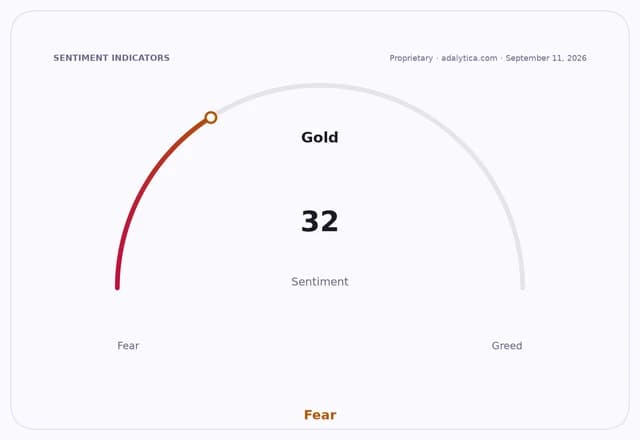
For investors, the setup is important. Gold is often treated as a hedge against inflation, policy mistakes and geopolitical shocks, and all three are in play right now. The market is focused on U.S. producer prices on Thursday and consumer prices on Friday, with traders assigning roughly a 60% chance that the Federal Reserve raises rates at its Sept. 15-16 meeting. Hot inflation could strengthen the case for tighter policy and keep pressure on gold, while softer numbers would likely reinforce the view that the Fed can pause.
The local market in Vietnam adds another layer. SJC bars and major branded bars such as DOJI and PNJ were steady at the same bid-ask range, suggesting the domestic market is waiting for the next global cue rather than chasing a breakout. Gold rings, meanwhile, were slightly weaker at some retailers, but still traded at elevated levels, showing that jewelry demand remains solid even after a strong run.
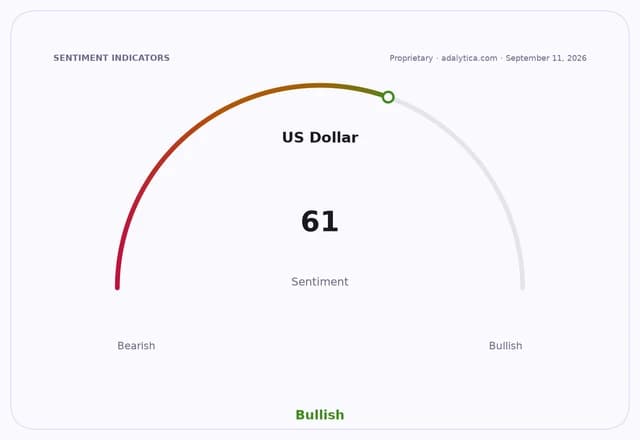
From a portfolio perspective, this is less about trying to time a one-day pop and more about recognizing a trend that can matter over years. Gold tends to shine when confidence in fiat assets, real yields or central bank policy gets shaky. The current backdrop — a softer dollar, sticky inflation risk and ongoing geopolitical uncertainty — is exactly the kind of environment that keeps the metal relevant for diversification.
The key level now is whether gold can hold above the $4,347 support area and then test resistance near $4,422, $4,465 and $4,512 an ounce. If inflation surprises to the upside, the metal could pause. If data cools, the path higher opens again. Either way, gold remains a useful asset for investors who want resilience, not just excitement, in a long-term portfolio.
| Entity | Gains | Losses |
|---|---|---|
| Gold bulls | ▲Safe-haven demand | ▼Higher yields, hot inflation |
| SJC sellers | ▲Steady local pricing | ▼Breakout-driven volume |
| Jewelry buyers | ▲Stable retail pricing | ▼Elevated input costs |
| Fed hawks | ▲Stronger case for hikes | ▼Gold and risk assets |