Gold’s slide to a more affordable level is bringing Indian shoppers back to the market just as the country heads into its crucial festive and wedding season, and that matters because this period can make or break quarterly demand for jewellers.
Gold Price Drop Lifts Indian Jewellery Demand
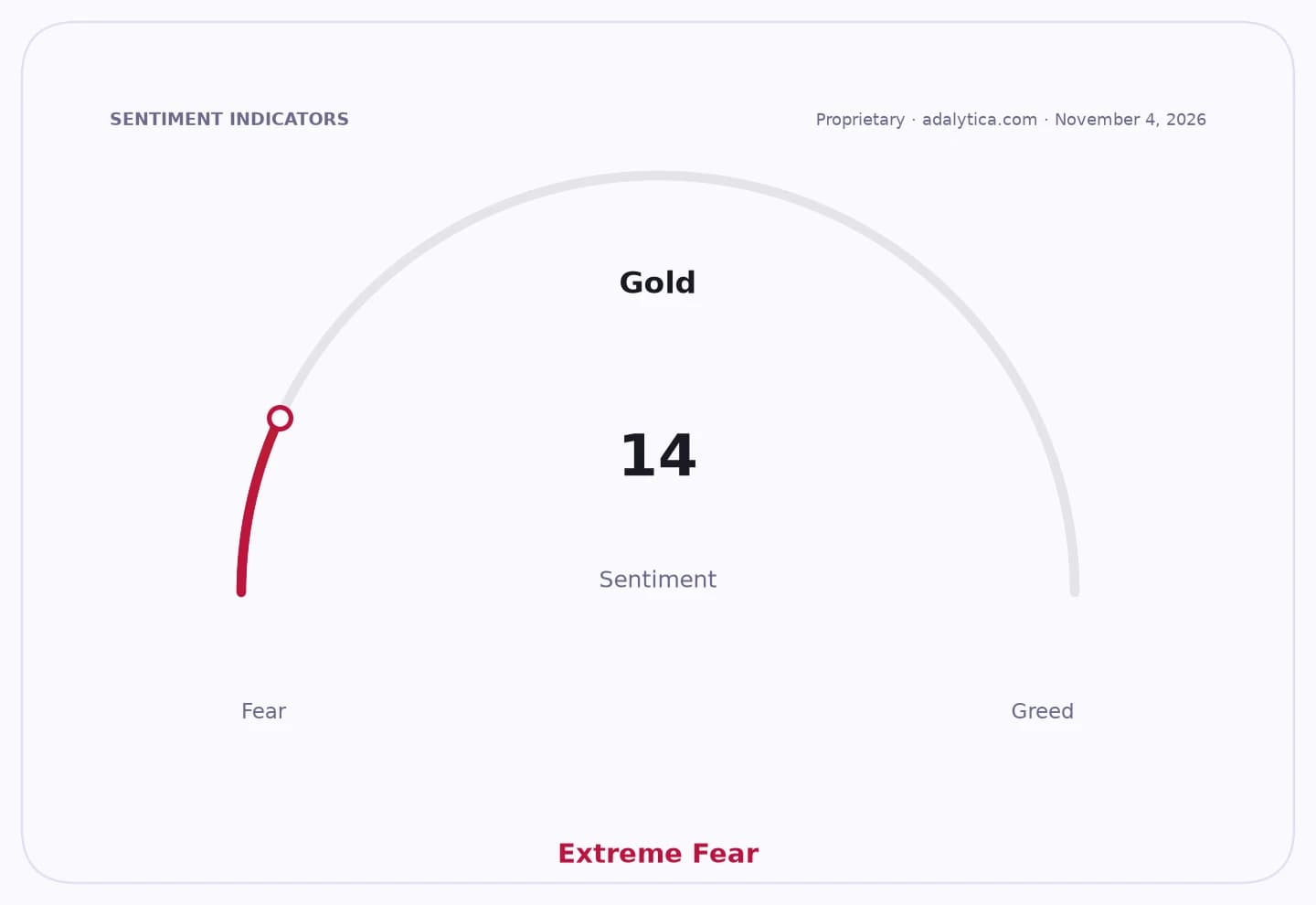
After a sharp correction from an all-time high of ₹1.80 lakh per 10 grams in late January, gold was trading around ₹1.37 lakh in Mumbai on Monday, down from ₹1.48 lakh a month earlier. For consumers who had been priced out of the market, that pullback is already translating into more foot traffic, more smaller-ticket purchases and a willingness to buy ahead of Dhanteras on November 6, one of the most auspicious days in the Hindu calendar for purchasing gold.
Sentiment Indicators
That is why jewellers are sounding more upbeat. The India Bullion and Jewellers Association expects sales volumes on Dhanteras to rise 10% to 12% from a year earlier, while retailers including Kalyan Jewellers say showroom traffic picked up over the weekend as buyers responded to the lower price. In a market where gold often serves as both adornment and store of value, even a modest price break can unlock demand that has been sitting on the sidelines.
The real economic significance is not just that people are buying more gold. It is that the mix of demand is changing. With prices still historically elevated, households are shifting toward lightweight jewellery, 18-karat pieces and smaller, more manageable purchases. That helps jewellers preserve volumes even if the average ticket size is lower, and it shows how Indian consumers adapt quickly when prices move enough to restore affordability.
Design-led buying is also becoming more important. CaratLane, owned by Titan, said shoppers are talking more about design than about the metal itself, with everyday lightweight diamond pieces, studded jewellery and solitaires drawing interest. That suggests the festive-season rebound is not just a function of bargain hunting; it also reflects a broader preference for wearable, lower-commitment jewellery that fits tighter budgets.
For investors, this matters because festive and wedding demand is a key earnings driver for India’s jewellery retailers and gold supply chain. A stronger-than-expected Dhanteras can support revenue growth, inventory turnover and sentiment across the sector, even if higher gold prices earlier in the year had pressured affordability. It also offers some evidence that demand in India is resilient rather than simply price-sensitive: when gold gets cheaper, buyers return, but they do not necessarily chase the highest-weight items.
That said, the opportunity comes with a catch. Gold remains expensive by historical standards, so the industry is not seeing a full return to old buying patterns. Instead, it is benefiting from a more selective customer who is still value-conscious. For long-term investors, that is usually better than a one-off surge: it points to a market that can keep growing through product mix, brand strength and design innovation rather than relying only on bullion prices.
The next test will be whether the current pickup lasts through the wedding season and whether the lower price environment holds long enough to keep buyers engaged. If it does, the latest dip in gold could prove less like a setback for the metal and more like a fresh catalyst for India’s jewellers.
| Entity | Gains | Losses |
|---|---|---|
| Indian jewellers | ▲Higher festive sales volumes | ▼Pressure on average ticket size |
| Consumers | ▲Better affordability and more choice | ▼Less exposure to further price upside |
| Titan’s CaratLane and Kalyan Jewellers | ▲Stronger showroom traffic | ▼Mix shifts toward lighter designs |
| Gold investors | ▲— | ▼Lower bullion prices and weaker momentum |