Gold near $4,226 boosts miners and Newmont
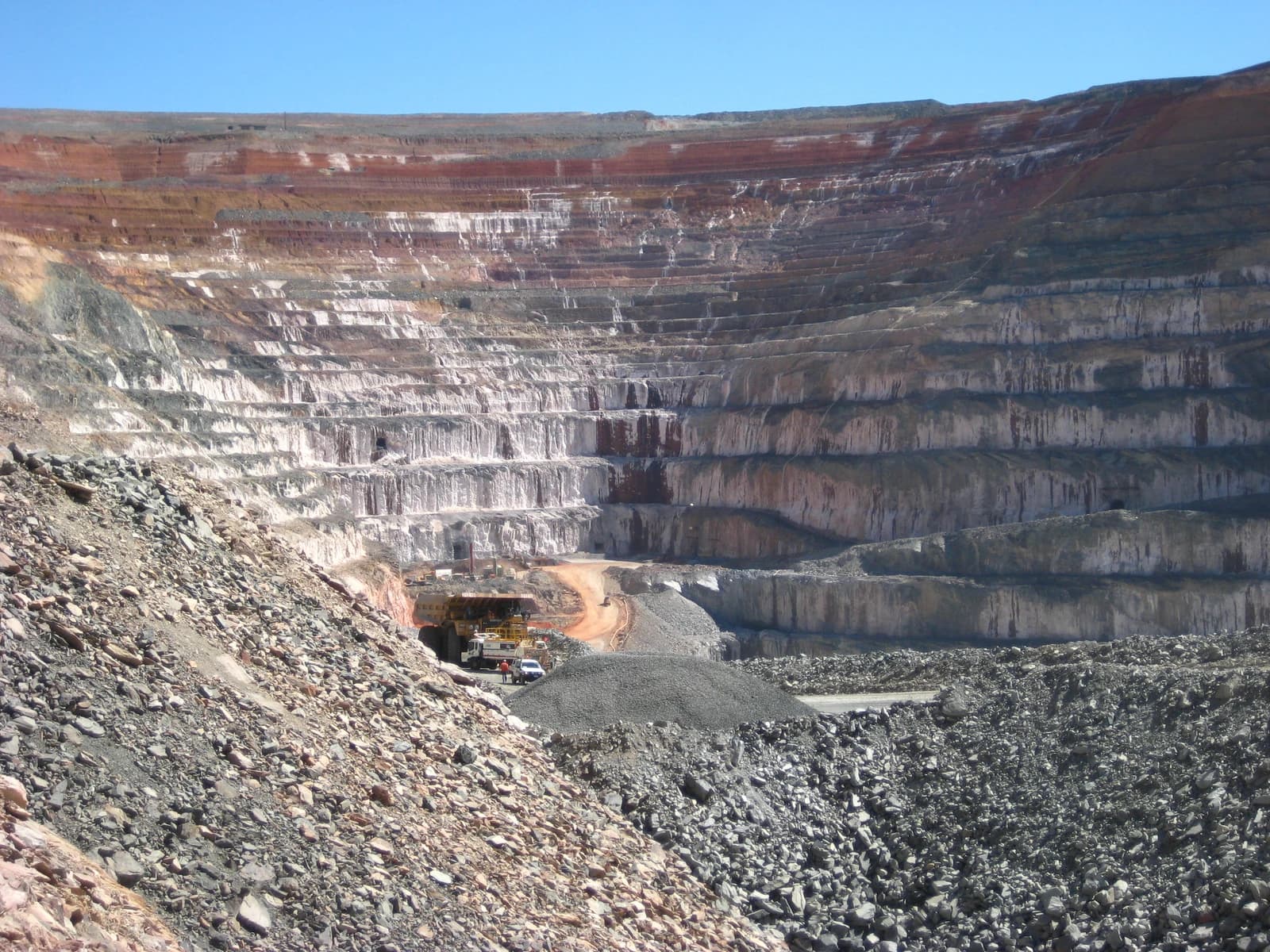
Gold’s relentless rally is doing more than padding bullion portfolios — it is improving the economics of mining, and that can translate into more hiring, steadier pay and longer-lived operations across the sector.
That matters because gold miners are among the most direct beneficiaries of a metal price that has moved far faster than the costs of digging it out of the ground. Gold futures rose to $4,226 an ounce on Aug. 5, after touching as high as $4,336.4 earlier this year, while Newmont and the VanEck Gold Miners ETF have also climbed sharply. For investors, that combination is the classic recipe for a cash-flow windfall: when selling prices rise faster than labor, energy and maintenance costs, margins widen.

The move has been especially important for producers that spent the last few years fighting inflation in diesel, steel, equipment and wages. Newmont’s latest quarterly filing said all-in sustaining costs per gold ounce jumped 174%, underscoring how painful the cost side has been. A stronger gold price helps offset that pressure and gives miners room to keep projects moving, rather than cutting back on exploration or headcount. In plain English, a gold rush in the market can become a jobs rush in the mine.
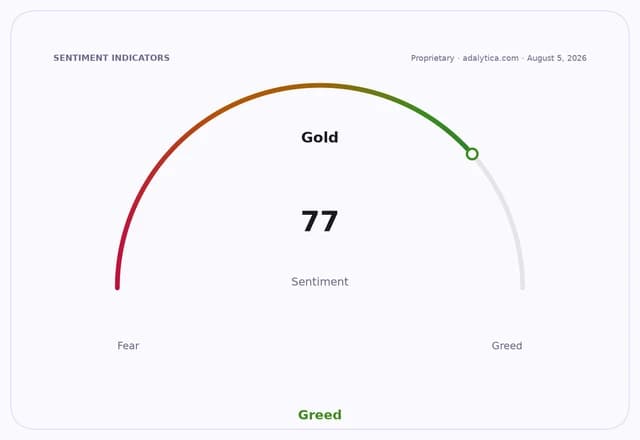
The backdrop is also unusually supportive. Adalytica’s Gold Fear & Greed Index shows “Greed” at 77 with “awareness” at 100, reflecting just how elevated interest in the trade has become. At the same time, the U.S. dollar and broader global stability gauges are flashing extreme readings, a reminder that investors are still looking for hedges against macro uncertainty. When gold is acting like a portfolio insurance policy, miners tend to enjoy the operating leverage.
That said, investors should not confuse a higher gold price with a risk-free trade. Newmont’s share price has already surged, and the sector can be volatile. Gold itself has pulled back at times even as the longer-term trend has remained powerful, and miners still face reserve depletion, permitting hurdles and the constant need to replace ounces. But for long-term investors, the bigger picture is straightforward: sustained strength in gold tends to support higher free cash flow, healthier balance sheets and better capital returns from the strongest operators.
If gold stays near these levels, the companies best able to control costs and grow production could turn that into real compounding power over the next several years. For investors, that makes the miners worth watching — and in a diversified portfolio, worth considering as a long-term way to participate in the yellow metal’s boom.
| Entity | Gains | Losses |
|---|---|---|
| Gold miners | ▲Wider margins, more hiring | ▼Cost pressure eases less |
| Newmont (NEM) | ▲Stronger cash flow, leverage to gold | ▼Execution risks remain |
| Gold ETF holders | ▲Higher bullion exposure, momentum | ▼Volatility and pullbacks |
| Consumers of gold | ▲None | ▼Higher input costs |