Gold and Oil Rise on Russia Ukraine Split
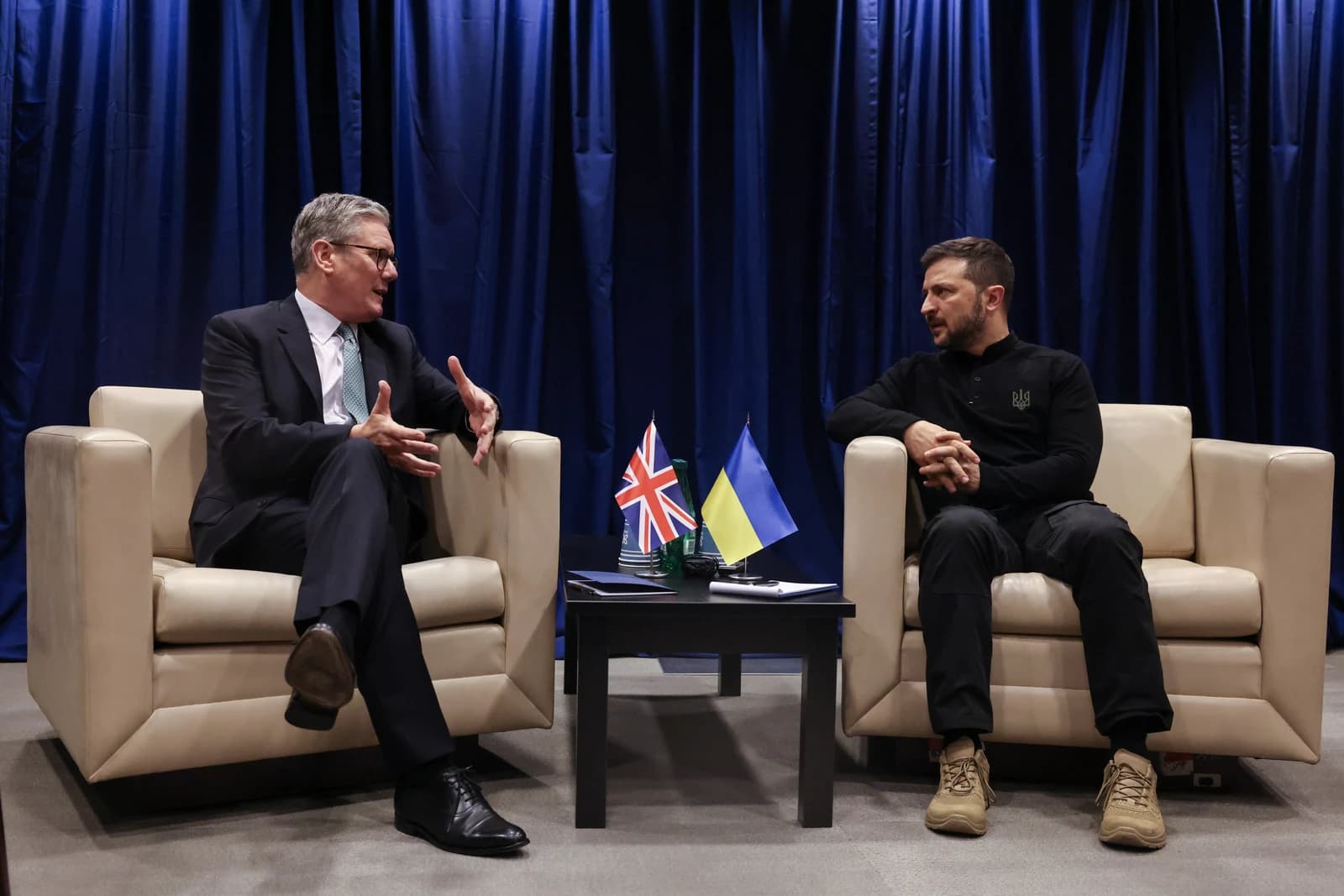
Only 50 UN countries backed a statement criticizing Russia over Ukraine, a reminder that Moscow still has enough support — or enough reluctance among others — to blunt Western efforts to isolate it.
That matters economically because sanctions only bite fully when diplomatic pressure is broad enough to keep enforcement tight and to deter loopholes. A coalition of just 50 countries is far short of the kind of global consensus that would make Russian trade, shipping, financing and insurance much harder to sustain. It also tells investors that the war’s economic footprint is likely to remain uneven: Russia remains constrained, but not fully boxed in.
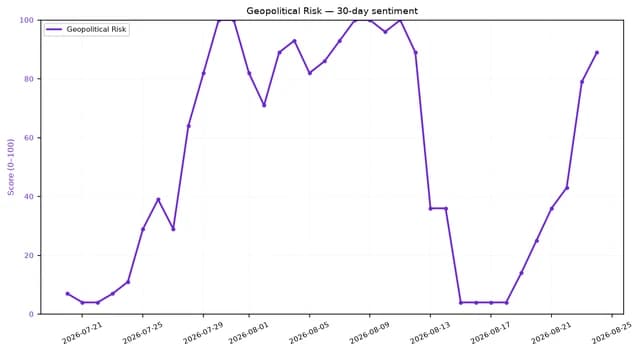
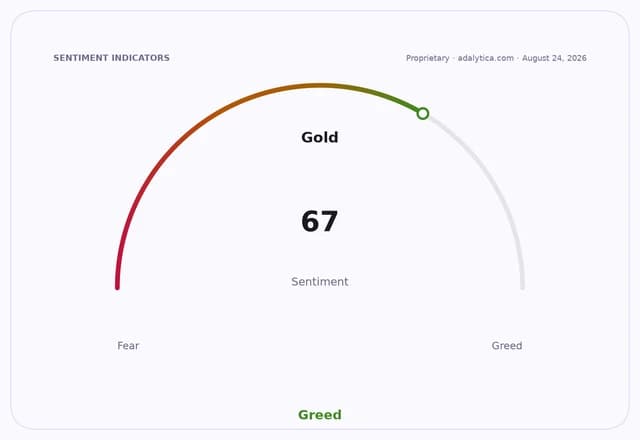
The market implication is simple. As long as the anti-Russia bloc stays narrower than Washington and Brussels would like, energy, metals and food markets keep carrying a geopolitical premium. That helps explain why gold has stayed bid: GLD closed at 426.69, with the 14-day RSI above 82 and the ETF trading well above both its 50-day and 200-day moving averages, a sign of strong momentum rather than panic. In other words, investors are still paying up for insurance against a conflict that refuses to fade into the background.
Oil is telling a similar story. USO finished at 132.21, also well above its 50-day and 200-day moving averages, with RSI at 77.4. Even after the recent pullback from earlier spikes, the fund remains elevated, showing that supply-risk pricing has not disappeared. For energy producers, shippers and defense names, that is a tailwind; for airlines, refiners and import-dependent consumers, it is a margin headwind.
The bigger narrative is that the war has entered a phase where military pressure, propaganda battles and diplomatic fragmentation are reinforcing each other. Ukraine’s new sanctions on Russia’s “Masha and the Bear” cartoon show how far Kyiv is willing to push the information war, while the UN split shows how difficult it remains to assemble a truly global front against Moscow. That combination keeps geopolitical risk alive and keeps capital flowing toward hard assets and other beneficiaries of instability.
The investor takeaway: don’t wait for diplomatic unity that is unlikely to arrive soon. The asymmetry still favors exposure to gold, energy and defense, while the market remains vulnerable to renewed spikes in commodity prices and risk aversion if the conflict widens or sanctions tighten.
| Entity | Gains | Losses |
|---|---|---|
| Gold / GLD | ▲Safe-haven demand | ▼Risk appetite |
| Oil / USO | ▲Geopolitical premium | ▼Fuel buyers |
| Russia | ▲Diplomatic room | ▼Isolation efforts |
| Ukraine / Western bloc | ▲Moral backing | ▼Sanctions leverage |