Gold Outperforms as Treasuries Stay Under Pressure
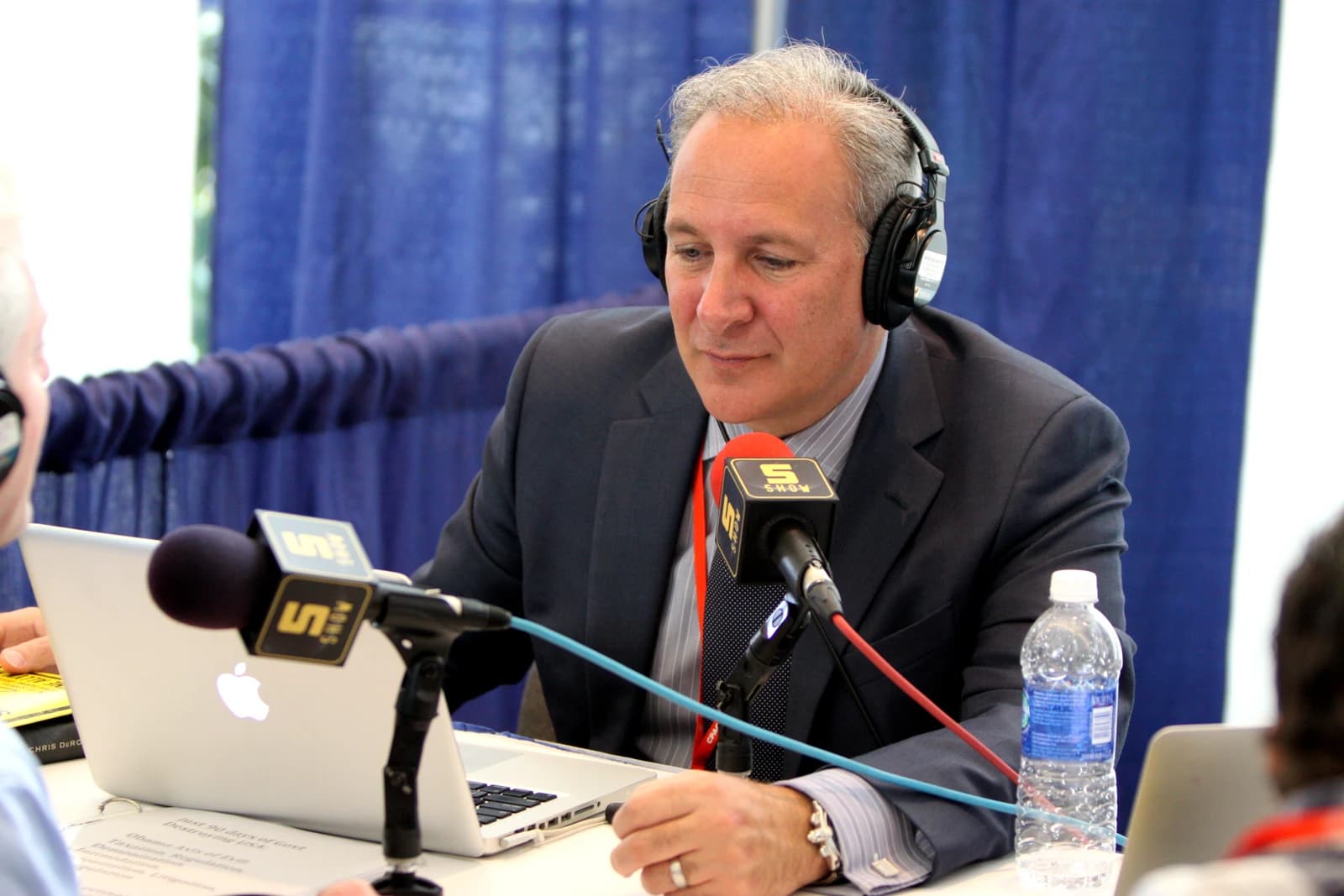
Peter Schiff’s long-running warning that U.S. bonds are trapped in a bubble is being tested by a market that is still pricing in stubbornly high interest rates, even as gold miners and bullion proxies have outperformed some of the assets he has argued are most vulnerable.
The immediate backdrop is not a collapse in Treasuries but a market that has stopped treating them as a one-way safe haven. The 10-year Treasury yield was at 4.675% in a near-term forecast for Aug. 21, after trading around 4.69% on Aug. 20, while the federal funds rate has been pinned at 3.63% since May. That leaves policy still restrictive and long-dated yields elevated by historical standards, but not in the kind of disorderly unwind Schiff has repeatedly warned about.
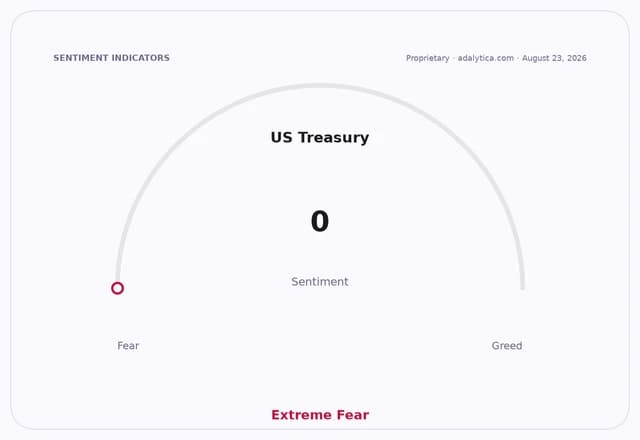
For investors, the significance is that the bond-market debate has become less about an imminent break and more about a gradual repricing of duration risk. Treasury-bond sentiment in the Adalytica.com gauge is at “Extreme Fear,” while its awareness reading sits at “Extreme Greed,” reflecting intense attention to government debt even as actual price action remains uneven. TLT, the iShares 20+ Year Treasury Bond ETF, closed at 82.05 on Aug. 21, below its 200-day moving average of 85.10 and just under its 50-day average of 83.85, a sign that long-duration Treasuries have not yet regained clear technical momentum.
That matters because Schiff’s critique hinges on the idea that a structurally weak bond market should push investors toward hard assets. On that front, the trade has worked better for gold than for Treasuries, but not always in the clean, linear way advocates of the “bond bubble” thesis would prefer. GLD rose to 423.36 on Aug. 21 from 398.55 three sessions earlier, with its RSI at 82.0 and price above both its 50-day and 200-day moving averages, showing strong momentum in bullion exposure. GOLD, the Newmont-linked equity ticker in the data, climbed to 46.21 on Aug. 21 from 41.84 on Aug. 18, also with momentum indicators improving sharply.

The broader macro case Schiff has leaned on — U.S. debt, a weaker dollar and pressure on real returns — is not disappearing. The dollar trade signal snapshot shows “Extreme Fear” at 1.0, with awareness at 98.0, while market context points to persistent concern over government borrowing and Treasury buyback plans. That combination has helped underpin gold demand and given further support to the view that investors are still looking for stores of value outside conventional duration assets.
But the counterargument is equally important. Despite the chatter around a bond bubble, Treasury yields remain anchored above 4.6% rather than spiking into the sort of disorder that would validate a rapid debt-market unwind. TLT’s RSI at 49.0 suggests neither collapse nor capitulation, just a market still searching for direction. That leaves Schiff’s thesis in the uncomfortable zone where the structural risks may be real, but the timing has been poor enough to keep skeptics well supplied.
For investors, the takeaway is that the trade is no longer simply “own gold, short bonds.” Instead, the market is parsing which assets best hedge fiscal strain without assuming an immediate funding crisis. Gold has the cleaner momentum profile, while long Treasuries remain vulnerable to higher-for-longer policy and term-premium pressure. If yields continue to hover near current levels while the dollar stays weak, Schiff’s long-term warning may keep finding adherents; if inflation cools and growth softens enough to pull yields lower, the bond-bubble narrative will again face a problem of timing rather than theory.
| Entity | Gains | Losses |
|---|---|---|
| Gold / GLD | ▲Safe-haven demand | ▼Skeptics of hard-asset hedges |
| Long Treasuries / TLT | ▲Rate relief if yields fall | ▼Higher-for-longer investors |
| Peter Schiff’s thesis | ▲Debt-fear narrative traction | ▼Timing credibility |
| U.S. dollar | ▲None | ▼Weakness against hard assets |