Gold prices swing as buyers seek lower-cost exposure
Gold prices are swinging sharply, and that is pushing retail buyers and investors to rethink how they gain exposure without overpaying for taxes, making charges and storage costs.
After a week of steep losses and a fresh rebound in domestic prices, the case for buying gold cheaply is less about timing the next tick and more about choosing the lowest-friction vehicle. In physical markets, SJC gold bars and 9999 plain rings had fallen by as much as 4 million dong and 6.4 million dong per tael, only to recover on September 16 as global bullion found support after a recent slide.
The volatility matters economically because gold is still a core household savings asset in markets such as India and Vietnam, where price spikes can quickly suppress demand. When prices jump, buyers often step away from jewelry counters, and that slows turnover for retailers while pushing more capital toward paper substitutes.
For investors, the cheapest way to own gold usually is not jewelry. Gold exchange-traded funds avoid goods and services tax, making charges and dealer premiums, while sovereign gold bonds issued through India’s RBI also offer 2.5% annual interest and can be more tax-efficient if held to maturity.
Those alternatives become more attractive when bullion itself is under stress. GLD, the largest U.S. gold ETF, closed at $398.83 on September 16 after trading well below its 200-day moving average of $416.15, while RSI readings near 35 suggest the fund has cooled from overbought levels after last year’s surge.
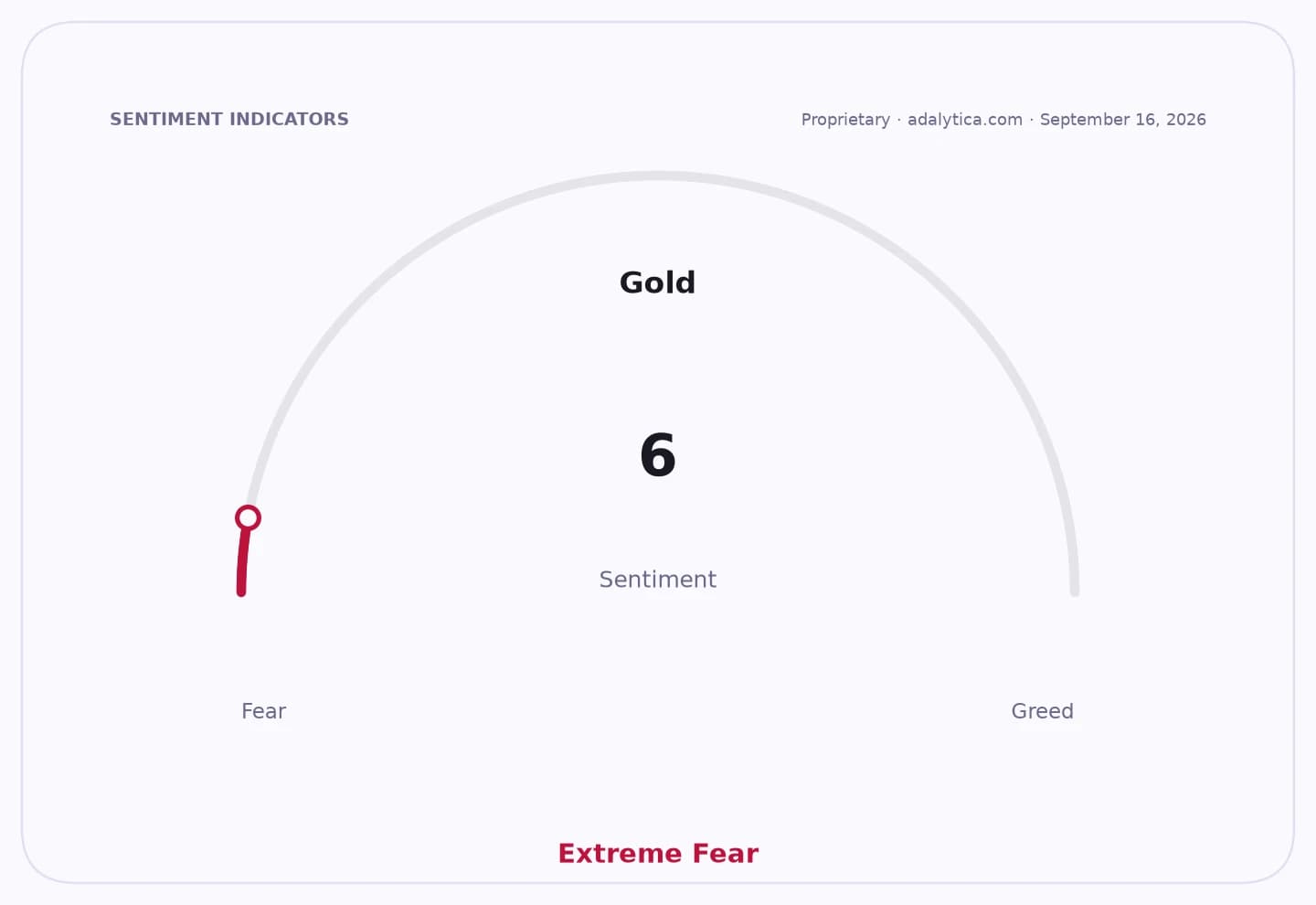
Adalytica’s Gold Fear & Greed Index stood at 6, labeled “Extreme Fear,” underscoring how quickly sentiment has turned from exuberance to caution. At the same time, the U.S. dollar trade signals gauge showed “Greed,” a reminder that a firmer dollar and higher Treasury yields can pressure bullion buying.
That leaves the practical shopping advice unchanged: for physical buyers, coins and bars usually carry lower making charges than jewelry, often around 1% to 3%, and comparing multiple dealers can shave costs further. Pushing back against fees, recycling old jewelry and using small denomination coins are the routes that preserve more of gold’s value when prices are already elevated.
| Entity | Gains | Losses |
|---|---|---|
| ETF buyers | ▲Lower fees, easier liquidity | ▼No physical possession |
| Sovereign gold bond holders | ▲Interest income, tax benefits | ▼Lock-in risk |
| Jewelry buyers | ▲Possession and use | ▼GST and high making charges |
| Gold retailers | ▲Higher demand for coins/bars | ▼Lower jewelry volumes |