Gold Pullback Hits Indonesia Retail Prices
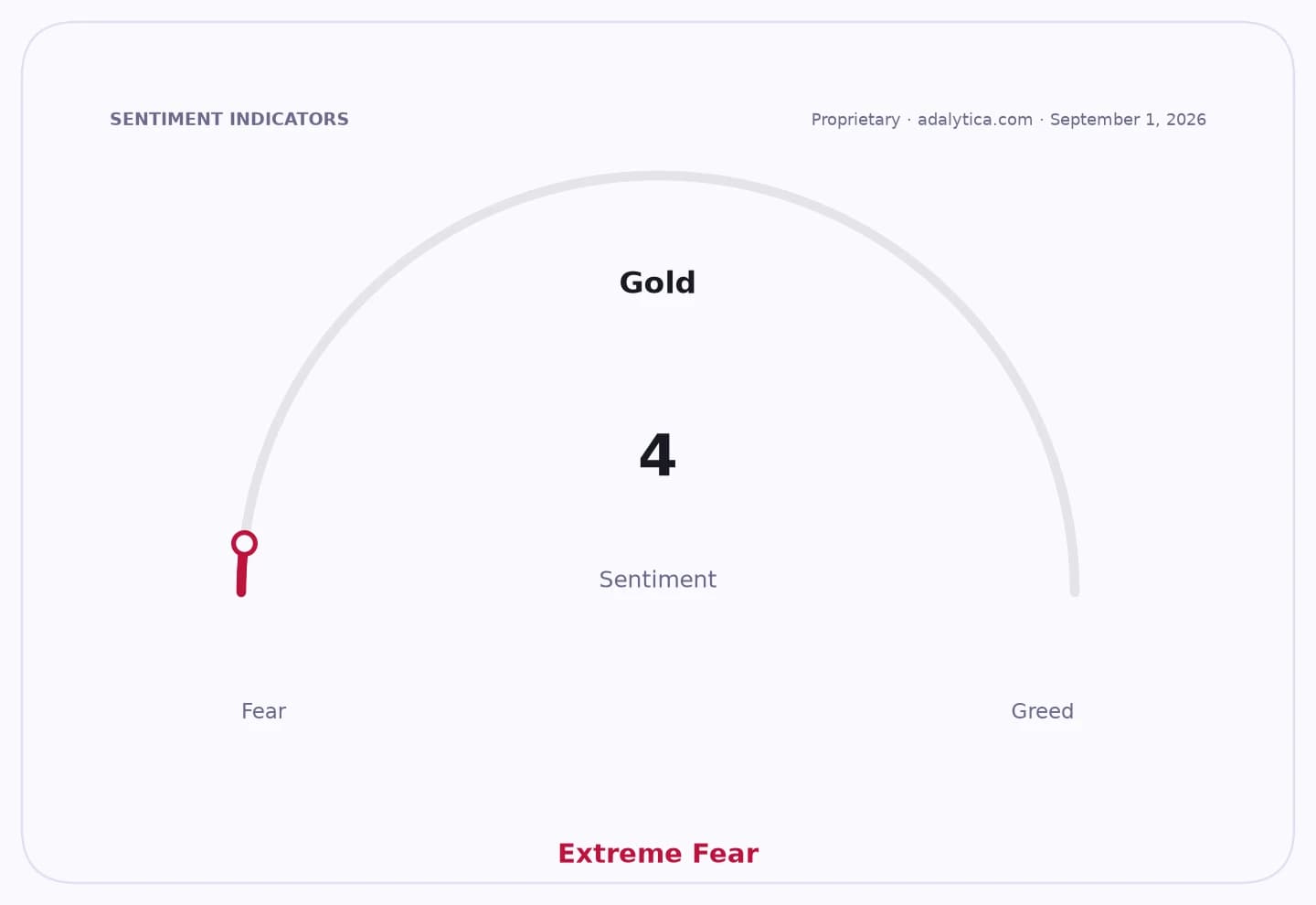
Gold’s latest pullback is hitting Indonesia’s retail market just as global prices retreat from record territory, and that matters because the move is exposing how quickly profit-taking can ripple through local bullion pricing and mining shares. Antam’s gold price slipped to IDR 2.66 million per gram, while gold rings fell by as much as IDR 2 million per tael, even as SJC bars held steady, underscoring a sharp divergence in the domestic market.
The drop comes after a powerful run that pushed international gold to fresh highs before traders locked in gains. Global bullion has since given back some of those advances, with a combination of persistent inflation concerns and steady U.S. growth keeping the metal’s safe-haven bid in place but not enough to prevent a correction. U.S. macro data still argues for caution, but it is not yet enough to restore the fear trade that drove gold’s earlier surge.
That backdrop matters for investors because gold remains one of the market’s most crowded defensive trades. Adalytica’s Gold Fear & Greed Index is flashing Extreme Fear at 4, after plunging 86 points over 30 days, a sign that sentiment has swung violently even as the broader macro case for holding bullion has not disappeared. On the chart, COMEX gold is still elevated near $4,487.50 an ounce, well above its 50-day moving average of $4,214.05, which suggests the longer-term trend remains intact despite the recent shakeout. The 14-day RSI at 58.1 and a flattening MACD point to cooling momentum, not a structural breakdown.
The bigger investment question is not whether gold can fall in the short term — it clearly can — but which parts of the precious-metals trade become more interesting when it does. A softer gold tape can pressure retailers and speculative holders first, while low-cost producers, bullion-backed funds and select miners with disciplined balance sheets can still attract capital if investors treat dips as re-entry points rather than trend reversals. GDX closed at 98.51, sharply above its 50-day moving average of 82.74, showing that miners have already repriced for a stronger gold backdrop and may stay volatile if bullion keeps whipsawing.
For now, the market is telling a simple story: gold is no longer a one-way macro trade. It is becoming a tactical asset again, where inflation, U.S. rates and dollar moves will decide whether this pullback deepens or resets the next leg higher. Investors should use the volatility to separate durable hedges from crowded momentum bets, because in a market this stretched, the next opportunity is likely to come from the names that can survive a consolidation and outperform when the metal turns back up.
| Entity | Gains | Losses |
|---|---|---|
| Gold buyers | ▲Better entry point | ▼Missed earlier rally |
| Retail gold sellers | ▲Higher turnover if demand returns | ▼Near-term price pressure |
| Gold miners | ▲Lower-cost leaders gain resilience | ▼Margin-sensitive producers |
| Bullion holders | ▲Long-term hedge intact | ▼Mark-to-market losses |