Gold May Rally Into Diwali

Gold prices are set up for another leg higher into Diwali, and the market is still underestimating how much room bullion has to run.
The most important driver is not festival buying alone, but a powerful macro mix: a fragile global risk backdrop, rising fear around economic stability, and a U.S. rate environment that remains high enough to keep real policy uncertainty alive while not strong enough to crush safe-haven demand. For investors, that combination is the classic fuel for gold’s next breakout.
Gold has already done the hard work technically. The GLD exchange-traded fund surged above $400 earlier this year before pulling back, and it remains well above its 50-day moving average even after the latest consolidation. The 50-day trend has flattened from overheated levels, while RSI readings have cooled from extreme overbought territory, suggesting the metal has been digesting gains rather than breaking down. That is exactly the sort of reset bulls want before a seasonal demand window.
The broader macro setup is even more important. The 10-year Treasury yield has climbed back to around 4.55%, signaling that bond markets still expect sticky inflation, heavy government borrowing and a higher-for-longer policy mix. That is not a friendly backdrop for cash and duration assets, but it is supportive for gold because it reinforces the case for real-asset hedges and portfolio diversification. At the same time, global stability sentiment has fallen into extreme fear territory, a sign that investors are still paying up for protection even as headline volatility looks contained.
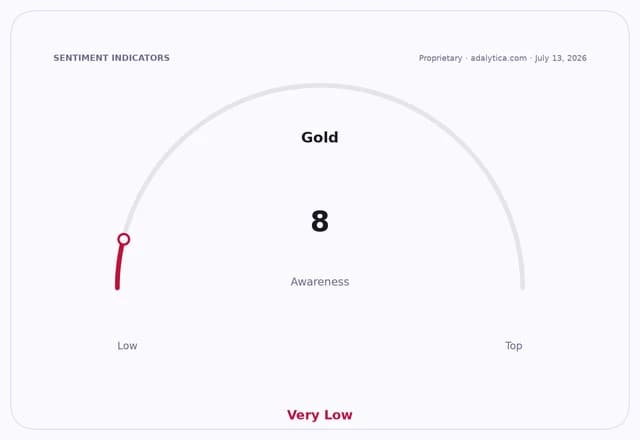
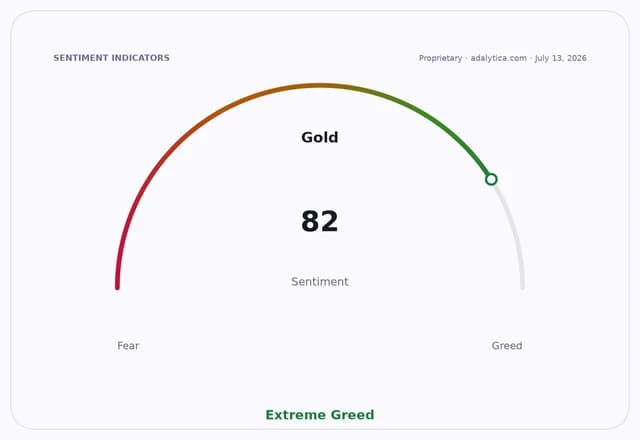
The market is also showing a clear behavioral split. Adalytica’s Gold Fear & Greed Index sits in greed territory, while awareness remains at extreme fear, a combination that usually appears when investors are already leaning into the trade but still do not fully trust the macro environment. That matters because when fear and participation rise together, bullion can move much faster than fundamentals alone would suggest.
For Diwali specifically, the key question is not whether Indian buyers show up — they usually do — but whether they are forced to chase higher prices. The answer increasingly looks like yes. If global uncertainty, bond yields and geopolitical risk remain elevated into the festive season, Indian jewelry, coin and bar demand could amplify an already constructive price trend. Gold’s role as both a cultural purchase and a financial hedge gives it a rare dual tailwind that most commodities do not enjoy.
Investors should think about this as more than a trade in bullion itself. A continued gold bid can benefit miners, royalty companies and bullion-backed funds, while pressuring sectors that rely on cheaper capital and calmer markets. If the next move higher is driven by fear rather than inflation alone, the winners are the balance-sheet-light gold names and the ETFs that give direct exposure to price momentum.
My view: the market underestimates how quickly Diwali demand can collide with a fragile macro tape and turn a sideways gold market into a fresh leg higher. If global stability stays weak and Treasury yields remain elevated, gold does not need a crisis to rise — it only needs enough uncertainty for buyers to keep paying up. For investors, that means positioning early in gold exposure and gold-linked producers before the festive-season bid becomes consensus.
| Entity | Gains | Losses |
|---|---|---|
| Gold bulls | ▲Seasonal demand tailwind | ▼Late chasers |
| GLD and bullion ETFs | ▲Safe-haven inflows | ▼Cash holders |
| Gold miners | ▲Higher realized prices | ▼Energy-intensive buyers |
| Jewelry importers | ▲Festive sales volume | ▼Margin pressure |