Gold Repatriation by European Central Banks Grows
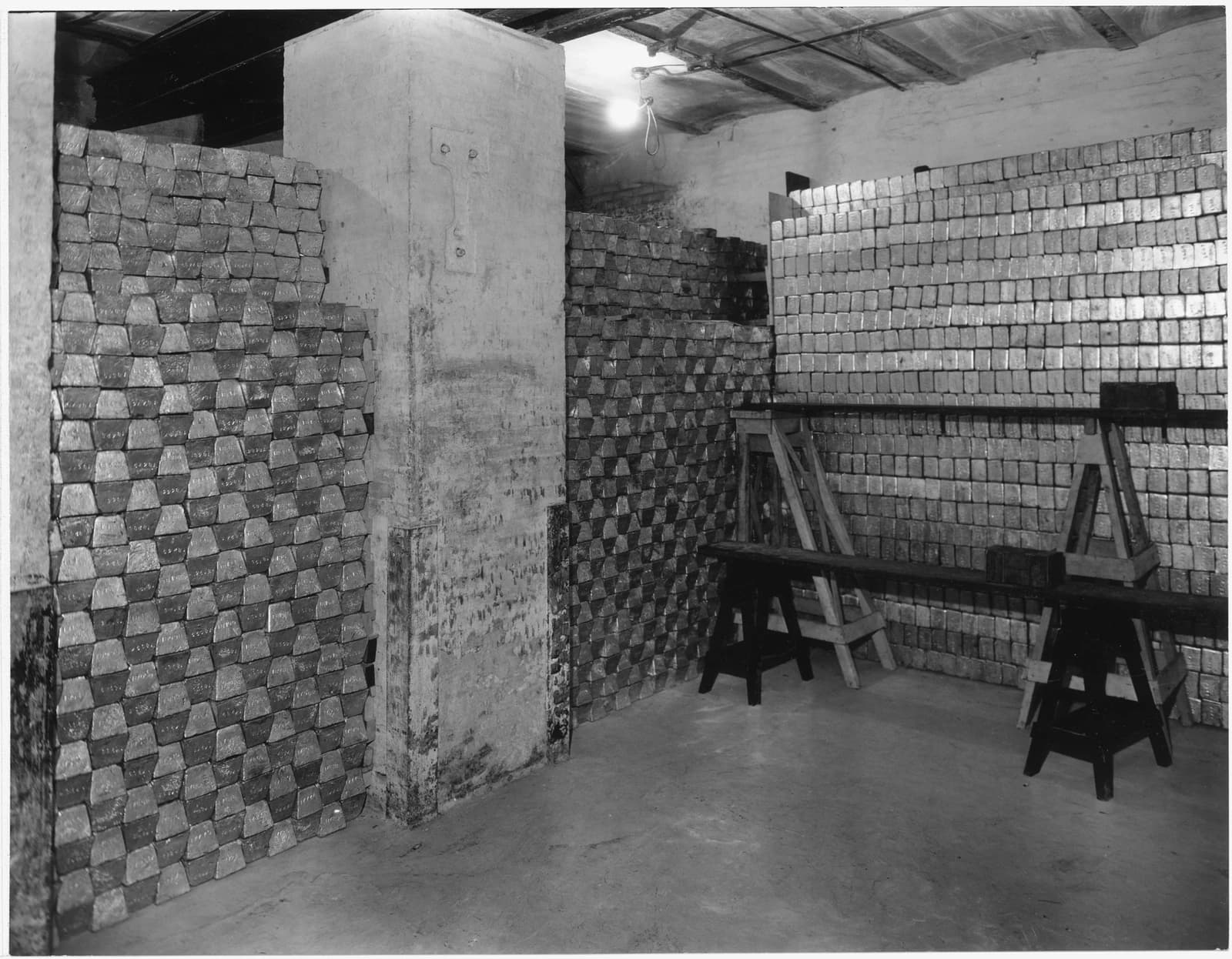
European central banks are pulling gold out of U.S. storage and the rush is reinforcing a geopolitical shift that could keep bullion elevated while denting the appeal of New York as the world’s default safe house for sovereign reserves.
The latest move cited by market watchers is the Netherlands’ transfer of 86 tonnes of gold from the United States to London, following France’s earlier repatriation of bullion held in New York. Spain is now weighing whether to move part of its own 289-ton reserve, while German politicians are again calling for more of the Bundesbank’s gold to come home.

The common thread is not just distrust of Washington, but the precedent set by Russia’s frozen reserves after sanctions were imposed. That episode convinced many governments that bullion stored abroad can be vulnerable in a crisis, even when it is held in supposedly neutral financial centers such as the U.S. or the U.K.
For investors, the trend matters because it underscores a persistent geopolitical bid for gold as an asset outside the financial system. Bullion has already been trading with strong momentum: Comex gold futures were at $4,307.3 an ounce on Sept. 24, while the SPDR Gold Trust, the largest gold-backed ETF, closed at $391.69, with the Adalytica Gold Fear & Greed Index still in “Greed” territory at 72 despite a one-day drop.

The move also has symbolic weight for the dollar system. If more sovereigns decide to shorten the chain between their reserves and foreign vaults, it reduces the cachet of U.S. and London storage hubs and could prompt a broader review of how countries diversify away from counterparty risk, sanctions risk and cross-border political exposure.
Germany remains the clearest benchmark. The Bundesbank had already brought back 674 tonnes from Paris and New York in 2013, but roughly one-third of its gold still sits in U.S. vaults. Italy has seen similar debate, suggesting the repatriation wave is not a one-off reaction but part of a longer reappraisal of where sovereign wealth is safest parked.
The next catalyst is whether Spain follows through and whether other euro-area holders make similar moves. Any fresh repatriation would add to a narrative that has already given gold a geopolitical premium — and left the United States facing a quieter but meaningful loss of influence over one of the world’s most strategic assets.
| Entity | Gains | Losses |
|---|---|---|
| Gold bulls | ▲Higher safe-haven demand | ▼None |
| European central banks | ▲Greater vault control | ▼Less flexibility abroad |
| U.S. vaults | ▲Less direct exposure to gold custody risk | ▼Fewer foreign reserves stored in New York |
| London storage hubs | ▲Some inflows from Europe | ▼Risk of becoming less trusted as well |