Gold, silver hit five-month highs on weaker dollar
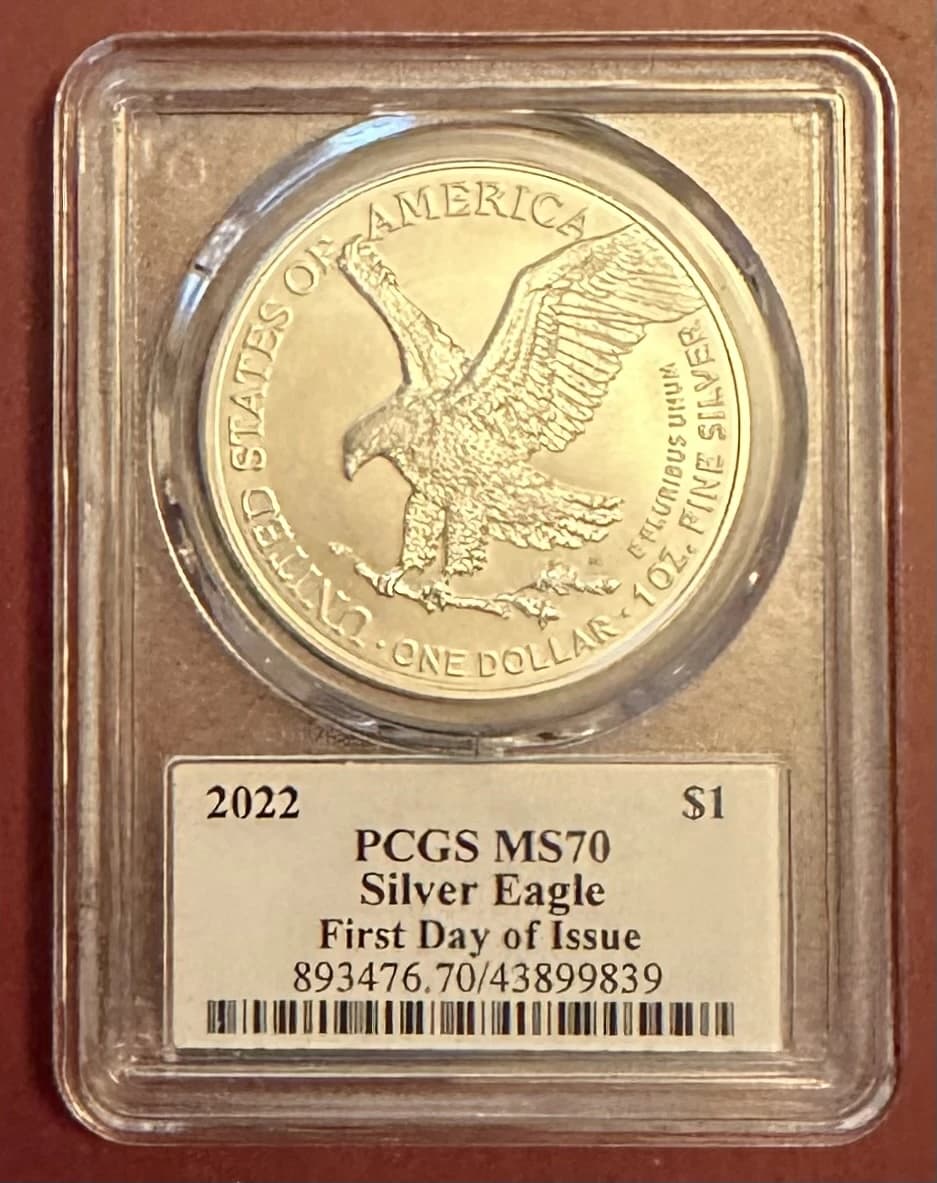
Gold and silver have climbed to five-month highs, but the bigger market story is that a softer dollar and rising macro uncertainty are pulling investors back into precious metals after months of whipsaw trading.
The move matters economically because gold is once again behaving like a hedge against currency erosion and policy risk, while silver is amplifying that trade as a more volatile hybrid of monetary metal and industrial commodity. That mix tends to matter when investors are rethinking the path of U.S. rates, bond yields and inflation rather than simply chasing momentum.
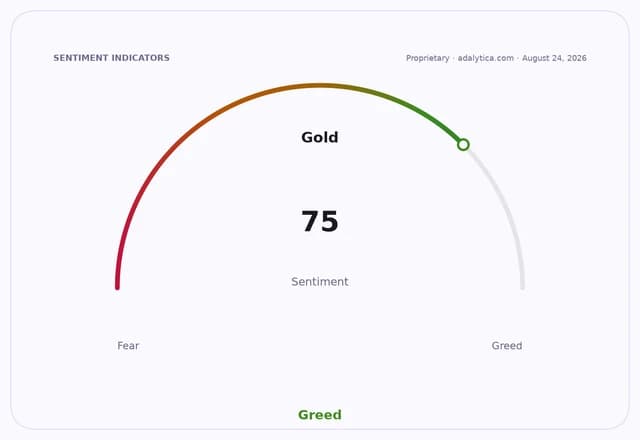
Spot gold’s rally has been reinforced by technical strength in the futures market, where the contract is trading well above its 50-day moving average and pressing toward the upper Bollinger Band after a sharp rebound from the spring selloff. The latest readings show gold futures near $4,706 an ounce, with the relative strength index above 80, a level that often points to stretched near-term conditions even when the broader trend remains firm.
Silver, meanwhile, has recovered to about $68.72 an ounce, extending a rebound that has been far more volatile than gold’s. Its price action reflects both safe-haven demand and speculation that looser financial conditions could eventually support industrial activity. But the metal’s sharp swings also underscore how fragile the move may be if the dollar stabilizes or real yields rise again.
The macro backdrop is doing most of the work. U.S. 10-year Treasury yields have edged around 4.7%, far above pandemic-era levels, but the dollar has weakened enough to improve the appeal of hard assets priced in greenbacks. Adalytica’s U.S. Dollar Trade Signals show extreme fear, while its global stability gauge is flashing high greed, a combination that suggests investors are reaching for alternative stores of value even as geopolitical nerves persist.
Inflation remains a second layer of support. The U.S. consumer price index has continued to edge higher, with the latest reading at 332.813 and an August forecast near 333.97, leaving real returns on cash vulnerable if price pressures prove sticky. That helps explain why gold is attracting flows despite the lack of a single acute crisis: investors are hedging not just recession risk but the possibility that central banks are slower to ease than markets want.
For investors, the rally matters because it changes the positioning debate. The bullish case is that gold’s breakout, supported by a weaker dollar and firm macro demand, could force underweight managers to add exposure through bullion-backed funds such as GLD, which has moved to about $426.78 and is trading near the top of its recent range. The bearish case is that sentiment has become crowded: gold’s RSI is elevated, silver has already outrun its 200-day trend, and any bounce in the dollar or bond yields could trigger a fast unwind.
That is why the headline risk is not just that gold and silver have gone up, but that they may have gone up too quickly. A genuine break higher would require the dollar to stay on the back foot and real yields to remain contained. If those conditions fade, the same metals that have become the market’s preferred hedge could suffer the kind of sharp correction that often follows a crowded inflation trade.
| Entity | Gains | Losses |
|---|---|---|
| Gold bulls / GLD holders | ▲Hedging gains; momentum | ▼Risk of pullback from overbought levels |
| Silver bulls | ▲Leverage to risk-off and weaker dollar | ▼Greater volatility than gold |
| Dollar bears | ▲Precious-metal upside | ▼Greenback weakness persists |
| Treasury bears | ▲Gold demand from higher inflation concern | ▼Real-yield pressure remains supportive for metals |