Gold, TIPS, REITs in inflation hedge ranking
Inflation protection is becoming less about a single “safe” asset and more about which part of the inflation shock investors are trying to survive.
The dominant change is that the classic hedge toolkit is now pulling in different directions. Gold remains a core store of value, inflation-linked bonds offer the cleanest contractual protection, and real estate can still pass through rising prices through rents — but higher global rates and softer inflation expectations are weakening parts of the hedge universe at the same time. That matters because investors are no longer dealing with the broad inflation surge of 2021-2023; they are facing a world where price growth has cooled, yet borrowing costs remain elevated and geopolitical risks keep a premium under hard assets.
In Poland, the statistical office said consumer prices rose 2.5% year on year in June 2026, a reminder that inflation has eased but not disappeared. In the US, the 10-year Treasury yield has moved back above 5% for the first time in three years, reinforcing the idea that investors are pricing a longer period of restrictive rates. The ECB has also tightened to 2.5%, while markets expect inflation to stay above the 2% target until 2028. For investors, that combination changes the ranking of inflation hedges: the best asset depends on whether the threat is persistent inflation, an energy shock, currency erosion or an outright loss of confidence in monetary policy.
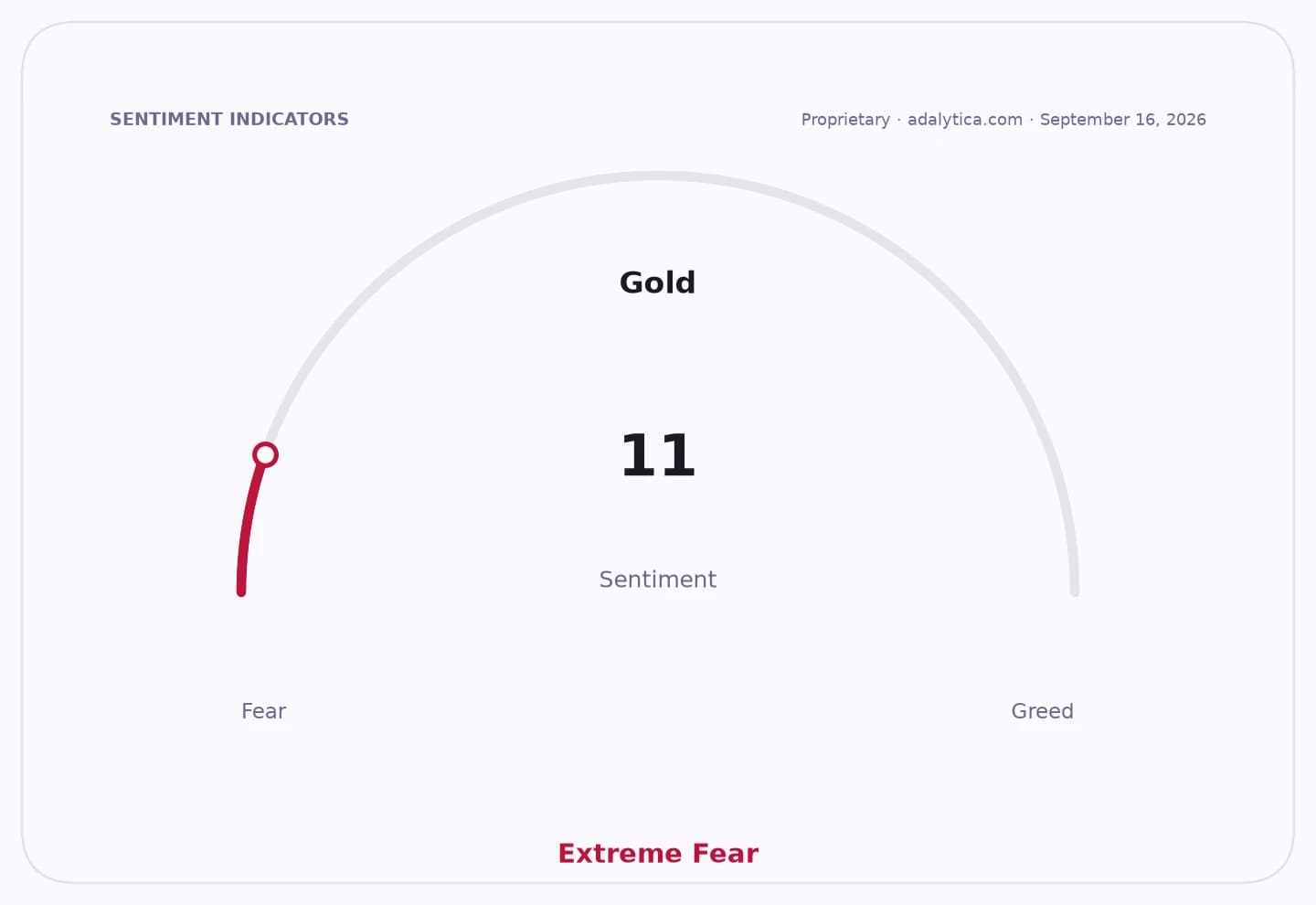
Gold is still the most widely used refuge, even after a roughly 7% decline since the start of the year. World Gold Council research cited in the source material found that a 1% rise in CPI has historically translated into a 0.5% increase in gold prices, while a 100-point rise in the geopolitical risk index lifted gold by 2.5%. That makes the metal less of a direct inflation trade than a hedge against monetary and geopolitical instability. The latest market data show the same tension: GLD recently traded around $394, below its 200-day moving average near $416, while Adalytica’s Gold Fear & Greed Index has dropped to 11, or “Extreme Fear,” suggesting the asset may be under pressure even as its strategic case remains intact.
Inflation-linked government bonds look more mechanical and, in some cases, more compelling for yield-focused investors. In Poland’s savings bond offer for July 2026, the coupon resets each year to inflation plus a fixed margin of 1.50% on four-year bonds and 2.00% on 10-year bonds. That structure gives investors a direct hedge against realized inflation rather than a narrative one. The limitation is that these instruments only protect as long as the state keeps inflation under control and nominal rates do not move sharply higher, which can still hurt mark-to-market performance.
Real estate sits in the middle. Rents often rise with prices, and long-term studies cited in the source suggest property can hedge both expected and unexpected inflation. But listed real estate is no free lunch. VNQ, the US REIT ETF, is trading below its 50-day moving average and its RSI has sunk to 18.9, a sign of heavy selling pressure. That reflects the downside of property hedges in a high-rate world: financing costs rise, valuations compress and the income stream becomes less valuable when government yields are near or above 5%.
That is why the ranking of inflation hedges is increasingly conditional rather than absolute. Gold is strongest when investors fear monetary debasement or geopolitical stress. Inflation-linked bonds work best when the goal is to preserve real purchasing power with limited credit risk. Physical property performs better over long horizons than publicly traded REITs, which trade like financial assets. Commodities are the most direct hedge when inflation comes from energy, food or supply shocks. Shares remain the best long-run growth asset, but history shows they are not a reliable short-term inflation shield. Bitcoin continues to attract “digital gold” comparisons, yet the evidence is mixed and the data here point to weaker behavior than physical bullion in inflationary periods.
For investors, the key message is diversification. The most effective inflation protection is not a single asset but a mix matched to the type of inflation risk and the policy regime around it. With real yields still elevated, confidence in central banks weakening in some measures, and geopolitical risk still elevated, the next move in hedges may come less from inflation itself than from what markets think rates will do after inflation has passed.
| Entity | Gains | Losses |
|---|---|---|
| Gold | ▲Geopolitical stress hedge | ▼Real-rate pressure |
| Inflation-linked bonds | ▲Direct CPI protection | ▼Falling inflation expectations |
| Real estate / REITs | ▲Rent pass-through | ▼Higher financing costs |
| Bitcoin / risk assets | ▲Inflation narrative demand | ▼Safe-haven credibility |